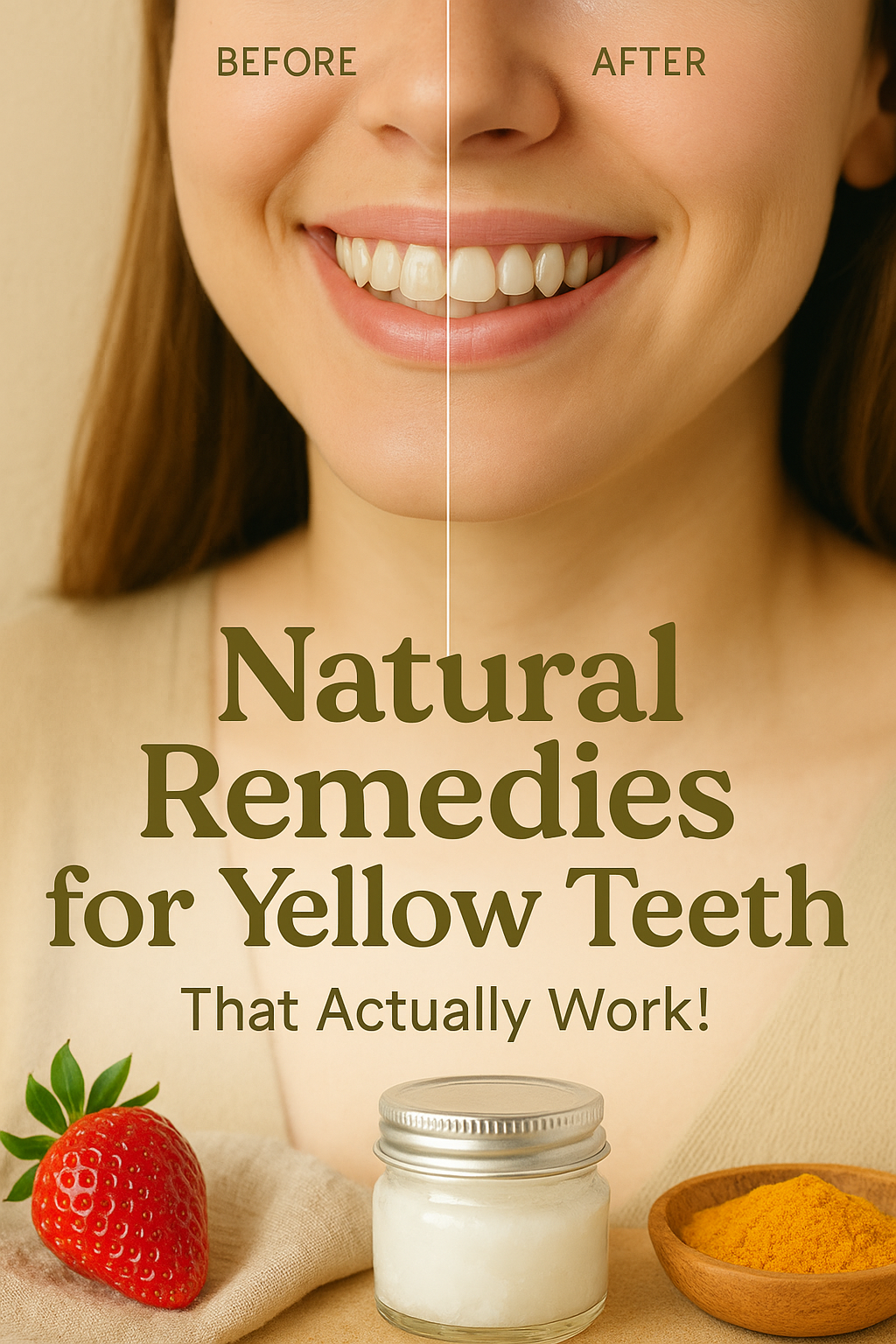
Natural Remedies for Yellow Teeth That Actually Work
A yellow smile can feel like a dimmer switch on your confidence, and you’re not imagining it—discoloration really can make you want to hide your teeth. The good news is, research shows that certain natural remedies for yellow teeth that actually work can gently lift stains by adjusting what you eat, how you clean your teeth, and what you rinse with. The key is focusing on methods dentists recommend and avoiding trendy “natural hacks” that can quietly wear down your enamel over time.
What Really Causes Yellow Teeth (and What You Can Control)
Feeling frustrated by yellow teeth is completely normal, especially if you brush every day and still don’t see much change. Studies indicate that yellowing often comes from a mix of surface stains, enamel thinning, and deeper (intrinsic) discoloration**** inside the tooth.
Common causes you can influence include:
- Dark drinks like coffee, tea, and red wine
- Smoking or vaping
- Poor brushing and flossing habits
- Acidic foods and drinks that erode enamel
Action step: For the next week, limit dark drinks to mealtimes and rinse with water right after. This simple habit alone can start reducing new stains while you explore other natural remedies.
Bold safety note: Even with natural approaches, if you notice sudden, uneven yellow or brown spots, pain, or sensitivity, see a dentist promptly to rule out cavities or enamel damage.
Key Takeaways
Natural Remedies for Yellow Teeth That Actually Work
If yellow teeth make you hide your smile, you’re not alone. Research shows many adults feel self‑conscious about tooth color, but the good news is that simple, natural remedies for yellow teeth can really help when used correctly and consistently.
Below, the SmilePerfectors team breaks down dentist‑approved tips you can start today—plus when it’s time to see a professional.
—
Gentle Daily Care: The Foundation of Natural Remedies for Yellow Teeth
Dentists recommend starting with the basics before trying anything fancy. Studies indicate that consistent, gentle cleaning removes most surface stains that make teeth look yellow or dull.
Action steps:
- Brush twice a day for 2 minutes with a soft‑bristled brush and a non‑abrasive, fluoride toothpaste.
- Floss once a day to remove plaque and stain‑causing particles between teeth.
- Consider an electric toothbrush, which research shows can remove more plaque and superficial stains than many manual brushes.
Warning: Avoid harsh scrubbing or “whitening” pastes that feel gritty—research shows overly abrasive products can wear down enamel and make teeth look more yellow over time.
—
Watch Your Drinks: Simple Natural Remedies for Yellow Teeth
If you love coffee, tea, red wine, or cola, you’re not imagining things—they really can darken your smile over time. Studies indicate these beverages contain pigments and acids that cling to enamel and deepen stains.
Action steps:
- Cut back on dark drinks where you can (for example, one coffee instead of three).
- Rinse with plain water right after you drink coffee, tea, or soda to wash away staining compounds.
- Use a straw for iced coffee, tea, and cola to reduce direct contact with your front teeth.
Warning: Don’t brush immediately after acidic drinks (like soda or citrus water). Wait at least 30 minutes—brushing too soon can wear softened enamel.
—
Use Tooth‑Friendly Foods as Natural “Tooth Scrubbers”
It’s frustrating when you feel like you’re doing “everything right” and still see yellowing. Research shows that certain crunchy, water‑rich foods can help gently clean teeth as you chew and boost saliva, your mouth’s natural cleanser.
Helpful choices:
- Apples – their texture and chewing action can help wipe away loose surface stains.
- Carrots and celery – crunchy, fiber‑rich veggies that encourage saliva flow and mild mechanical cleaning.
- Cucumbers and leafy greens – high in water, helping dilute staining acids and keep your mouth moist.
Action steps:
- Add one crunchy fruit or vegetable to at least two meals or snacks per day.
- Finish a meal with a raw vegetable snack when brushing isn’t possible; it’s not a replacement for brushing, but it helps reduce buildup.
—
Strengthen Enamel from the Inside Out
If your enamel is thin or weakened, the darker dentin underneath shows through, making teeth look more yellow. Research shows that good levels of calcium and vitamin D support stronger enamel, which reflects light better and can appear whiter.
Action steps:
- Include calcium‑rich foods daily, such as:
- Low‑sugar yogurt, cheese, or milk
- Fortified plant milks
- Leafy greens like kale and bok choy
- Get vitamin D from safe sun exposure and foods like:
- Fatty fish (salmon, mackerel)
- Fortified dairy or plant milks
- Eggs
Warning: Always talk to your healthcare provider before starting calcium or vitamin D supplements, especially if you have kidney, heart, or thyroid issues.
—
Combine Home Care With Professional Support
Sometimes, even your best routine doesn’t fully fix yellow teeth—and that’s normal. Studies indicate that professional cleanings can remove hardened tartar and deep stains that home care simply can’t reach.
Action steps:
- Commit to 6–8 weeks of:
- Gentle brushing and daily flossing
- Limiting dark, acidic drinks
- Adding tooth‑friendly foods and enamel‑supporting nutrients
- Schedule professional cleanings every 6 months (or as your dentist recommends).
- See a dentist sooner if:
- Stains are patchy or only on certain teeth
- Teeth look brown or gray, not just yellow
- You notice pain, sensitivity, or spots that don’t match the rest of your teeth
Warning: Avoid DIY whitening tricks like straight hydrogen peroxide rinses, undiluted apple cider vinegar, or aggressive baking soda scrubs—dentists warn these can damage enamel and irritate gums.
—
FAQ: Natural Remedies for Yellow Teeth
Q1: Do natural remedies for yellow teeth really work?
Studies indicate that gentle brushing, flossing, diet changes, and professional cleanings can significantly reduce extrinsic (surface) stains. They’re less effective for deep, internal discoloration, which usually needs professional whitening.
Q2: How long do natural remedies for yellow teeth take to show results?
Most people who follow a consistent routine see some improvement in 4–8 weeks. The more you control stain‑causing foods and drinks, the faster you’ll notice changes.
Q3: Are natural remedies for yellow teeth safe for sensitive teeth?
Yes—when focused on gentle brushing, flossing, and diet, they are generally safe. Avoid harsh scrubs or acidic rinses; if you have sensitivity, ask your dentist about a sensitive or low‑abrasion toothpaste.
Q4: When should I stop natural remedies for yellow teeth and see a dentist instead?
If your tooth color doesn’t change at all after 2 months of careful home care, or if you see dark spots, chips, cracks, or ongoing pain, see a dentist. These can signal deeper issues that natural remedies alone can’t fix.
—
If you’re still unsure what’s causing your yellow teeth, the SmilePerfectors team can help you find the safest, most effective plan—starting with the least invasive options and building from there.
Understanding What Causes Yellow Teeth Naturally
Understanding What Causes Yellow Teeth Naturally | SmilePerfectors
Feeling self‑conscious about yellow teeth is completely normal. At SmilePerfectors, we remind patients every day that yellow teeth naturally often come from normal changes in your mouth—not because you’ve “failed” at brushing or caring for your smile.
Research shows that tooth color is influenced by aging, genetics, saliva flow, and everyday habits, even when you maintain good oral hygiene. When you know what’s really happening, you can make calmer, smarter choices about whitening and dental care.
—
How Aging Makes Yellow Teeth Naturally More Common
Your tooth enamel is naturally white but slightly see‑through. Studies indicate that as you age, enamel slowly thins, allowing more of the yellowish layer underneath (called dentin) to show through.
- The dentin layer is naturally more yellow than enamel.
- Over time, this color becomes more visible, even if you brush and floss daily.
Key takeaway: If your teeth look more yellow in your 30s, 40s, or beyond, that’s often a normal age-related change, not necessarily poor cleaning.
> Important: Do not over‑brush or “scrub” harder to fight yellowing. Research shows that aggressive brushing can wear down enamel faster and actually make teeth look more yellow over time.
—
Daily Life and Oral Bacteria: How Plaque Affects Color
Dentists recommend thinking of plaque as a “sticky film” that naturally builds on teeth throughout the day. Research shows that oral bacteria in plaque can trap pigments from food, drinks, and tobacco, making teeth look more yellow or stained.
Key factors include:
- Oral bacteria & plaque:
- Plaque forms on enamel every day.
- If not removed, it hardens into tartar (calculus), which is rough and picks up stains more easily.
- Studies indicate professional cleanings can significantly reduce tartar-related discoloration.
- Dry mouth (low saliva):
- Saliva helps rinse away food particles and pigments.
- With less saliva, stains from coffee, tea, red wine, and sauces stick more.
- Medications, mouth breathing, and dehydration can all reduce saliva.
Key takeaway: To reduce yellowing from plaque and dry mouth, brush twice daily, floss once daily, drink water regularly, and see your dentist for cleanings every 6 months (or as they recommend).
> Warning: Do not try to scrape tartar off at home with sharp tools. Dentists recommend professional removal, as DIY scraping can scratch enamel and injure gums.
—
Genetics and Natural Shade: Sometimes It’s Just Your Tooth Color
Studies indicate that genetics play a major role in the natural color and thickness of your enamel. That means some people simply have teeth that look more creamy or yellow, even when perfectly healthy.
Genetics can affect:
- Enamel thickness: Thinner enamel = more yellow dentin shows through.
- Tooth shade: Some people naturally have off‑white or slightly yellowish teeth, just like different skin or eye colors.
Key takeaway: If your dentist says your teeth are healthy, a slightly yellow tone may just be your natural shade—not something you caused or did wrong.
—
FAQs About What Causes Yellow Teeth Naturally
1. Are yellow teeth naturally always a sign of poor hygiene?
No. Research shows that aging, genetics, and enamel thickness can all cause teeth to look yellow even when brushing and flossing are excellent. However, plaque and tartar can make natural yellowing worse, so consistent home care and regular cleanings are still essential.
2. Can dry mouth really cause yellow teeth naturally?
Yes. Studies indicate that reduced saliva allows more pigments and bacteria to stay on your teeth. If you frequently have a dry mouth, dentists recommend drinking water often, using sugar‑free gum or lozenges, and talking to your dentist about saliva‑supporting products.
3. Is it safe to aggressively whiten naturally yellow teeth at home?
Dentists recommend caution with at‑home whitening. Overusing whitening strips or strong DIY mixtures can irritate gums and wear down enamel.
> Safety note: Always follow product instructions exactly and talk to your dentist before starting any whitening routine, especially if you have sensitive teeth or dental restorations.
—
If you’re concerned about yellow teeth naturally, a personalized exam at SmilePerfectors can identify whether your color is mostly genetic, age‑related, or stain‑related—and help you choose safe, effective options to brighten your smile.
Evidence-Based Dietary Changes to Brighten Your Smile
Evidence-Based Dietary Changes to Brighten Your Smile
If you’re worried that your teeth look more yellow than they used to, you’re not alone. Research shows that natural aging, oral bacteria, and dry mouth can all dull your smile over time—but your daily food and drink choices can help. At SmilePerfectors, dentists recommend thinking less about “perfect teeth” and more about training your mouth environment to support a brighter, healthier smile.
—
How Diet Protects Your Enamel
Studies indicate that strong enamel is the foundation of a whiter smile. When enamel thins, the darker dentin underneath shows through, making teeth appear yellow even if they’re clean.
Focus on calcium every day:
- Dairy: yogurt, cheese, milk
- Non‑dairy: leafy greens (kale, collards), almonds, calcium‑fortified plant milks
Research shows that vitamin D helps your body absorb calcium effectively:
- Include fatty fish (salmon, sardines), eggs, or vitamin D–fortified milk or plant milks.
- Spend short, safe periods in sunlight as recommended by your doctor.
Action takeaway:
Aim to include one calcium-rich food and one vitamin D source in at least two meals per day to support strong, stain-resistant enamel.
Safety note:
Do not start vitamin D supplements without talking to your dentist or physician first, especially if you have kidney problems or take other medications.
—
How to Reduce Dental Pigmentation from Food and Drinks
It’s frustrating when you brush regularly but still see stains. Studies show that dark, acidic drinks can penetrate enamel pores and cause extrinsic staining, especially when sipped all day.
Dentists recommend limiting:
- Coffee and black tea
- Cola and dark sodas
- Red wine
- Highly pigmented juices (like blueberry or pomegranate)
To reduce staining without giving up everything you enjoy:
- Drink quickly, not constantly: finish your coffee in one sitting instead of sipping for hours.
- Use a straw for iced drinks to reduce contact with front teeth.
- Rinse with water right after any dark drink to wash away pigments.
Action takeaway:
Choose plain water as your default drink and limit dark beverages to specific times (for example, one coffee with breakfast) instead of all day long.
Safety note:
Avoid brushing immediately after acidic drinks (coffee, soda, wine). The acid temporarily softens enamel—brushing too soon can wear it down. Wait about 30 minutes before brushing.
—
Support Your Mouth’s Natural Cleansing System
If you feel like plaque and film build up quickly, your diet may be feeding the bacteria that create stains and acids. Research shows that saliva flow and food texture both play a big role in how clean your teeth stay between brushings.
Dentists recommend adding more:
- Crunchy fruits: apples, pears
- Crisp vegetables: carrots, celery, cucumbers
These foods stimulate saliva and gently wipe the tooth surface as you chew.
At the same time, studies indicate that frequent sugary snacks (even small amounts) keep mouth bacteria active and acidic:
- Swap candy, cookies, and sweetened drinks for nuts, cheese cubes, or raw veggies.
- If you do eat sweets, have them with a meal, not spread out all day.
Action takeaway:
Include at least one crunchy fruit or vegetable daily and cut down between‑meal sugary snacks to protect against both decay and stain‑causing bacteria.
Safety note:
If you have sensitive teeth or gum issues, avoid very hard foods (like biting ice or unpopped popcorn kernels), which can chip enamel or crack teeth.
—
FAQ: Evidence-Based Dietary Changes to Brighten Your Smile
Q1: How long do evidence-based dietary changes to brighten your smile take to show results?
Studies indicate that you may notice less new staining and a fresher feel within a few weeks of changing your diet. Deeper color changes usually take several months and work best alongside professional cleanings.
Q2: Can diet replace professional whitening?
Dietary changes can prevent and slow new stains, but most research shows they cannot fully reverse heavy discoloration on their own. Dentists recommend combining good nutrition, stain control, and professional whitening when deeper color change is desired.
Q3: Are “whitening foods” like strawberries or lemons safe for daily use?
Some online tips suggest acidic foods for whitening, but research shows acid can erode enamel over time. Do not rub lemons, vinegar, or other acids directly on your teeth, and limit highly acidic foods if you already have sensitivity.
Q4: Is sparkling water okay for my teeth color and enamel?
Most studies indicate that plain or lightly flavored sparkling water is far less harmful than sugary soda. To be safe, avoid constant sipping, choose options without added sugar or citrus acids, and still make plain water your main drink.
—
If you’re unsure which changes are right for your teeth or existing dental work, schedule a checkup with a SmilePerfectors dentist. We can review your current diet, staining patterns, and enamel health, then create a personalized plan to help your smile look naturally brighter—safely.
Proven At-Home Habits That Gently Whiten Teeth
Proven At-Home Habits That Gently Whiten Teeth – SmilePerfectors Guide
If you’re looking for proven at-home habits that gently whiten teeth, you’re not alone. Many patients at SmilePerfectors feel self‑conscious about stains but are nervous about harsh bleaching or risky fads. Research shows that consistent, gentle home care can noticeably brighten your smile over time—without damaging your enamel.
Dentists recommend focusing on daily routines that protect enamel, prevent new stains, and slowly lighten existing ones. Below are simple, science-backed steps you can start today.
—
Daily Habits That Matter for Proven At-Home Habits That Gently Whiten Teeth
It’s easy to feel overwhelmed by whitening products and trends. Studies indicate that basic oral hygiene, done correctly, is one of the most effective and safest ways to keep teeth naturally whiter.
Action takeaway: Commit to one small improvement this week—better brushing, consistent flossing, or smarter rinsing—and build from there.
– Brush twice a day for two full minutes
Research shows that brushing for a full 2 minutes removes significantly more plaque and surface stains than “quick brushing.” Dentists recommend a soft-bristled toothbrush and gentle circular motions to protect enamel.
Do this: Set a 2‑minute timer (or use a brushing app) morning and night, focusing on all surfaces of each tooth.
– Use the right toothpaste
Studies indicate that ADA‑approved whitening toothpastes with mild abrasives can safely help lift surface stains over time. Look for fluoride to strengthen enamel as well.
Do this: Choose a toothpaste labeled “whitening” with the ADA Seal, and use it consistently rather than switching products frequently.
—
Flossing: The Overlooked Step in Proven At-Home Habits That Gently Whiten Teeth
Many people feel guilty about not flossing, but you’re not alone if it’s hard to stick with. Research shows that plaque and food between teeth can trap pigments from coffee, tea, and wine, making discoloration worse.
Action takeaway: Treat flossing as part of your whitening routine, not just a “nice to have.”
– Floss once a day
Dentists recommend daily flossing to remove plaque where your brush can’t reach. This prevents stains from “locking in” between teeth and along the gumline.
Do this: Floss before bed each night so stains and plaque don’t sit on your teeth while you sleep.
– Pick a method you’ll actually use
Studies indicate that floss, floss picks, and water flossers can all be effective when used correctly. The best option is the one you’ll use consistently.
Do this: If traditional floss is frustrating, try soft picks or a water flosser to make the habit easier.
—
Smart Rinsing Habits After Coffee, Tea, or Wine
You shouldn’t have to give up your favorite drinks to keep your smile bright. Research shows that reducing contact time between staining liquids and your teeth can limit discoloration.
Action takeaway: Pair every dark drink with a quick rinse routine.
– Rinse with water right after staining drinks
Dentists recommend swishing plain water after coffee, tea, red wine, soda, and dark juices to wash away pigments. This simple step can reduce how deeply stains set into enamel.
Do this: Keep a water bottle nearby and swish for 10–15 seconds after finishing any dark beverage.
– Use a straw when possible
Studies indicate that using a straw can help bypass the front teeth, reducing direct stain exposure.
Do this: For iced coffee, tea, or soda, drink through a straw and avoid holding the liquid in your mouth.
—
Protecting Enamel: Timing Matters for Proven At-Home Habits That Gently Whiten Teeth
It’s frustrating when you’re doing your best and still worry you might be harming your teeth. Acidic drinks can temporarily soften enamel, and brushing too soon can wear it down.
Action takeaway: Adjust *when* you brush, not just *how* you brush.
– Wait 30 minutes after acidic drinks before brushing
Research shows that acids from soda, citrus juices, sports drinks, and even vinegar dressings can weaken enamel for a short time. Dentists recommend waiting at least 30 minutes to brush so you don’t scrub away softened enamel.
Do this: After an acidic drink, rinse with water immediately, then set a 30‑minute reminder before brushing.
– Be cautious with at-home whitening products
Studies indicate that overusing whitening strips, gels, or DIY recipes (like baking soda and lemon) can cause tooth sensitivity and enamel damage.
Do this: Always follow product directions exactly and talk to your SmilePerfectors dentist before starting any new whitening treatment.
—
When to Talk to a Dentist
If you feel like you’re doing everything “right” and still not seeing results, that’s completely valid—and very common. Some stains are deeper (intrinsic) or related to medications, trauma, or aging and need professional guidance.
Action takeaway: Use home care as your foundation, and get a professional opinion if you’re unhappy with your results.
– Ask about safe whitening options
Dentists recommend a checkup before starting any strong whitening treatment, especially if you have sensitivity, fillings, or crowns.
Do this: Schedule a visit with SmilePerfectors to discuss gentle professional whitening that builds on your at-home habits.
—
FAQ: Proven At-Home Habits That Gently Whiten Teeth
Q: How long do proven at-home habits that gently whiten teeth usually take to show results?
Studies indicate that with consistent brushing, flossing, and rinsing, you may notice subtle brightening in 2–4 weeks, with more visible improvement over a few months. Results vary based on your natural tooth color and lifestyle.
Q: Are natural remedies safe for whitening teeth at home?
Dentists warn that some “natural” methods—like straight lemon juice, charcoal, or aggressive baking soda scrubs—can wear away enamel. Never use anything gritty or highly acidic on your teeth without a dentist’s approval.
Q: Can proven at-home habits that gently whiten teeth replace professional whitening?
For mild surface stains, home habits can sometimes provide all the whitening you need. For deeper or long‑standing discoloration, research shows that professional whitening plus good home care gives the best, longest‑lasting results.
Q: If I’ve sensitive teeth, can I still try whitening at home?
Yes, but use a sensitivity or low‑abrasion toothpaste and avoid strong bleaching kits without guidance. If sensitivity increases, stop what you’re using and contact your dentist.
—
Natural Topical Remedies Supported by Research
Natural Topical Remedies Supported by Research for a Brighter Smile
If you’re looking for natural topical remedies supported by research because your teeth look a little dull or stained, you’re not alone. Many SmilePerfectors patients ask how to gently boost whitening at home without harsh chemicals, and research shows there are a few safe, science‑backed options that can support your daily brushing and flossing.
These tips are meant to add to your normal oral care routine, not replace it. Dentists recommend consistent brushing with fluoride toothpaste, flossing, and regular cleanings as your foundation, then layering in gentle topical helpers as needed.
—
Natural topical remedies supported by research: Herbal extracts
It can feel frustrating when you brush regularly and still see stains. Studies indicate that certain herbal extracts, especially green tea and licorice root, may help reduce the bacteria linked to staining and gum problems.
Research shows that:
- Green tea polyphenols can lower levels of cavity‑causing bacteria.
- Licorice root extracts have antibacterial effects that may support healthier gums and fresher breath.
How to use herbal rinses at home
You can create a simple herbal rinse to use alongside your regular mouthwash:
- Brew a weak tea (green tea or licorice root): 1 tea bag in 1 cup of hot water for 1–2 minutes.
- Let it cool completely to room temperature.
- Swish a small sip around your mouth for about 30 seconds.
- Spit it out, then rinse once with plain water.
Concrete takeaway:
Use this herbal rinse once daily to start, preferably after brushing in the evening, and monitor how your mouth feels.
Important safety note
- Always spit herbal rinses out—do not swallow.
- If you notice any irritation, burning, or allergic reaction, stop immediately and talk to your dentist.
- People on medications or with medical conditions should ask their dentist or physician before using herbal products regularly.
—
Natural topical remedies supported by research: Mineral rinses
If your teeth look dull or feel rough, it’s not always just “staining.” Research shows that enamel erosion and demineralization can make teeth look darker and more yellow over time, even if you brush well.
Studies indicate that mineral rinses containing calcium and phosphate can help:
- Support the natural remineralization of weakened enamel.
- Make enamel smoother, so it reflects light better and appears brighter, even though it doesn’t chemically “bleach” your teeth.
How to use mineral rinses correctly
You can find over‑the‑counter remineralizing rinses or gels designed for enamel support. Follow these steps:
- Brush and floss first using a fluoride toothpaste.
- Apply or swish the mineral rinse as directed on the label (usually 30–60 seconds).
- Spit it out and do not rinse with water afterward, so the minerals can stay on your teeth longer.
- Avoid eating or drinking for 30 minutes when possible.
Concrete takeaway:
Use a mineral rinse once or twice daily as part of your routine to help strengthen enamel and gently improve the way your smile reflects light.
Important safety note
- Do not use a mineral rinse more often than the product or your dentist recommends.
- Overuse can sometimes cause sensitivity or upset your mouth’s natural balance.
- Children should only use these products under adult supervision and as advised by a dentist.
—
FAQs about natural topical remedies supported by research
1. Are these natural topical remedies supported by research as effective as professional whitening?
Studies indicate that herbal and mineral rinses can support oral health and improve brightness, but they’re not as strong as professional whitening at a dental office. Dentists recommend using them as a gentle complement, not a replacement, for in‑office or dentist‑approved whitening when deeper stain removal is needed.
2. How long before I see results from these natural topical remedies supported by research?
Most people need a few weeks of consistent use to notice changes in smoothness, brightness, or freshness. Research shows that dental bacteria and enamel health respond best to daily habits rather than one‑time treatments.
3. Can I use herbal and mineral rinses together?
In many cases, yes. For example, you might use a mineral rinse at night and a herbal rinse once during the day. Always talk to your dentist first, especially if you have sensitive teeth, gum disease, or are taking medications.
4. Are natural topical remedies supported by research safe for sensitive teeth?
Many people with sensitivity tolerate these options well, and remineralizing rinses can even reduce sensitivity over time. However, if sensitivity worsens or you feel pain, stop and schedule an exam so your dentist can rule out cavities, cracks, or gum issues.
—
If you’re unsure which natural topical remedies supported by research are right for your smile, a quick visit or virtual consultation with a SmilePerfectors dentist can help you build a plan that feels safe, gentle, and tailored to you.
When to Combine Home Remedies With Professional Care
When to Combine Home Remedies With Professional Care for {keyword}
If you’re worried that your smile isn’t as bright as it used to be, you’re not alone. Research shows many adults feel self‑conscious about tooth color, and it’s completely normal to wonder when home care is enough—and when it’s time to see a dentist about {keyword}.
At SmilePerfectors, we want you to feel confident knowing which signs you can monitor at home and which ones need professional attention.
—
How to Know When Home Care Isn’t Enough for {keyword}
Home remedies and good daily habits can help with mild, general yellowing. Studies indicate that consistent brushing with a fluoride toothpaste and limiting dark-colored drinks can gradually improve surface stains.
But your teeth also send you signals when it’s time to get a professional opinion about {keyword}.
Seek a professional consultation if:
- Yellowing doesn’t improve after 6–8 weeks of careful brushing, flossing, and stain‑reducing habits.
- Only some teeth are darkening, or the color changes quickly or suddenly.
- You notice brown spots, pits, rough areas, or any pain or sensitivity.
- You have crowns, veneers, or bonding and are worried about scratching or uneven color changes.
Action takeaway:
If you’ve tried consistent home care for about two months and your tooth color is still bothering you—or changing in a patchy or sudden way—schedule a dental exam at SmilePerfectors for a professional {keyword} evaluation.
—
What a Dentist Can Do for You Beyond Home Remedies
You don’t have to guess what’s going on with your teeth. Dentists recommend a full exam before starting any strong whitening treatment, especially if your stains look uneven or you have dental work. Research shows that professional evaluation is the safest way to decide which whitening options are right for you.
You don’t have to guess—professional exams identify safe, effective whitening options tailored to your teeth
During a visit, a SmilePerfectors dentist can:
- Check your enamel and gums to make sure they’re healthy enough for whitening.
- Tell the difference between surface stains and deeper discoloration caused by medication, trauma, or thinning enamel.
- Suggest safe, evidence‑based whitening procedures that match your goals, sensitivity level, and budget.
- Help you avoid overusing home products, which studies indicate can irritate gums or weaken enamel if misused.
Important safety note:
Always talk to a dentist before using high‑strength whitening gels, online kits, or abrasive DIY methods—misuse can cause permanent sensitivity or enamel damage.
Action takeaway:
Use your dental visit to create a personalized plan: which home methods to keep, which to stop, and whether professional {keyword} whitening or other treatments (like bonding or veneers) are better for your situation.
—
A Simple Rule: When to Use Home Remedies vs. Professional Care
It’s easy to feel overwhelmed by all the whitening options. Studies indicate that a combined approach—good daily care plus targeted professional treatment—often gives the best and safest results for {keyword}.
Here’s an easy way to decide your next step:
– Mild, even yellowing across all teeth
Try: improved brushing, flossing, limiting coffee/tea/red wine, and gentle whitening toothpaste.
Monitor: changes for 6–8 weeks.
– Stubborn, patchy, or worsening discoloration
Do: continue good home care plus book a professional whitening or stain‑evaluation visit.
Let your dentist rule out cavities, enamel loss, or internal staining.
Action takeaway:
Use this rule of thumb: “Even and mild? Start at home. Patchy, painful, or persistent? Add professional care.” When in doubt, call SmilePerfectors and ask—we’d rather you check in early than worry at home.
—
FAQs About Professional Care and Home Remedies for {keyword}
1. How long should I try home remedies before seeing a dentist for {keyword}?
Dentists recommend giving consistent home care about 6–8 weeks. That means brushing twice daily with fluoride toothpaste, flossing daily, and limiting staining foods and drinks.
If you see no improvement or the color is getting worse or more uneven, it’s time for a professional evaluation at SmilePerfectors.
—
2. Are home whitening kits safe for {keyword}?
Studies indicate that dentist‑supervised whitening is safer and more predictable than over‑the‑counter kits. Some kits are safe when used exactly as directed, but overuse or incorrect use can irritate your gums or damage enamel.
Warning: Never use whitening products longer or more often than the instructions recommend, and stop immediately if you feel strong pain or burning. Always check with your dentist first if you have fillings, crowns, or sensitive teeth.
—
3. Can I fix all tooth discoloration with whitening alone?
Not always. Research shows that internal stains, discoloration from trauma or certain medications, or very thin enamel may not respond well to standard whitening.
In these cases, a SmilePerfectors dentist may suggest options like bonding, veneers, or microabrasion instead of—or in addition to—traditional whitening.
—
4. Is it okay to keep using whitening toothpaste every day for {keyword}?
Many whitening toothpastes are safe for daily use, but some can be too abrasive over time. Studies indicate that highly abrasive products may slowly wear enamel if used aggressively.
To stay safe, choose a dentist‑recommended whitening toothpaste, use a soft‑bristled brush, and avoid scrubbing hard. If you notice new sensitivity, switch to a gentler product and ask your dentist.
—
If you’re unsure whether your situation calls for home care, professional help, or a mix of both for {keyword}, SmilePerfectors is here to guide you step by step—so you can protect your teeth and still work toward a brighter, healthier smile.
Frequently Asked Questions
Are Yellow Teeth Always a Sign of Poor Oral Hygiene or Disease?
Are Yellow Teeth Always a Sign of Poor Oral Hygiene or Disease?
If you’ve ever looked in the mirror and worried about yellow teeth, you’re not alone. At SmilePerfectors, we want you to know that yellow teeth are not always a sign of poor oral hygiene or disease. Research shows that tooth color is influenced by many factors, including genetics, enamel thickness, diet, and natural aging—often completely separate from cavities or gum disease.
—
Understanding Yellow Teeth and Oral Hygiene
Are yellow teeth always a sign of poor oral hygiene or disease?
Not necessarily. Studies indicate that:
- Natural tooth color can range from white to light yellow or gray.
- Thinner or more translucent enamel can make the yellow dentin underneath more visible.
- Even people with excellent brushing and flossing habits can have slightly yellow teeth.
Takeaway: If your teeth are a bit yellow but you brush twice daily with fluoride toothpaste and see your dentist regularly, your color alone does not mean you have poor oral hygiene.
—
Intrinsic vs. Extrinsic Discoloration
Dentists recommend first distinguishing between intrinsic discoloration (inside the tooth) and extrinsic stains (on the surface).
- Extrinsic stains come from coffee, tea, red wine, tobacco, and certain foods. These often improve with professional cleanings and whitening toothpaste.
- Intrinsic discoloration can be related to genetics, medications, trauma, excessive fluoride in childhood, or natural aging of the dentin.
Research shows that intrinsic discoloration usually cannot be fixed with over-the-counter whitening toothpaste alone and may need professional treatment.
Takeaway: Notice if your color seems more like a surface stain (patchy, especially near the gumline) or an overall deeper shade. Then ask your dentist which it is before choosing a whitening method.
—
How Enamel Thickness and Genetics Affect Tooth Color
Many people blame themselves for yellow teeth when genetics play a major role. Studies indicate that:
- Some people naturally have thinner enamel, making the yellow dentin layer more visible.
- Tooth shade and enamel structure are partly inherited, just like hair and eye color.
- As enamel wears down with age, teeth often look darker or more yellow, even with good care.
Takeaway: If family members also have yellowish teeth despite good hygiene, your natural tooth color may simply be darker, not unhealthy.
—
Diet, Lifestyle, and Aging
Everyday habits can change the color of your teeth over time, even if your brushing is solid.
Common staining factors include:
- Drinks: Coffee, tea, red wine, dark sodas
- Foods: Berries, sauces, curries
- Habits: Smoking or vaping
- Aging: Gradual thinning of enamel and darkening of dentin
Dentists recommend rinsing with water after dark drinks and using a straw for staining beverages to reduce contact with teeth.
Takeaway: Track what you eat, drink, and smoke/vape for a week. If many items are known stainers, reducing or adjusting how you consume them can noticeably improve color over time.
—
When Yellow Teeth Might Signal a Problem
Although yellow teeth are often normal, sometimes they can point to underlying issues. Research shows that color changes accompanied by other symptoms are more concerning, such as:
- Sudden dark yellow, brown, or gray spots on a single tooth
- Tooth pain, sensitivity, or rough/broken areas
- Yellow buildup near the gumline that feels hard (tartar)
- Yellowish gums that bleed easily (possible gum disease)
Takeaway: If yellowing appears quickly, affects only one tooth, or comes with pain, sensitivity, or bleeding, schedule a dental exam promptly to rule out decay or gum disease.
Important safety note: Do not ignore sudden color changes, pain, or sensitivity. Self-treating with whitening products instead of seeing a dentist can delay diagnosis of serious problems like cavities or infections.
—
Safe Whitening Options and What to Avoid
Studies indicate that professional whitening supervised by a dentist is safer and more predictable than random over-the-counter methods. Dentists recommend:
- Professional in-office whitening for faster, controlled results
- Custom take-home trays with dentist-approved gels
- Gentle whitening toothpaste for maintenance, not dramatic change
Safety warning: Overusing strong whitening strips, gels, or DIY remedies (like straight hydrogen peroxide or baking soda scrubs) can damage enamel and irritate gums. Always follow product directions and talk to your dentist before starting any whitening routine.
Takeaway: Before trying any whitening product, have a dentist confirm that your teeth and gums are healthy and that whitening is appropriate for your situation.
—
FAQs – Are Yellow Teeth Always a Sign of Poor Oral Hygiene or Disease?
1. Are yellow teeth always a sign of poor oral hygiene or disease?
No. Research shows that natural tooth color, genetics, aging, and enamel thickness often explain why teeth look yellow, even in people with excellent oral hygiene.
2. Can I have healthy teeth that are still yellow?
Yes. Dentists often see patients with perfectly healthy gums and no cavities whose teeth are simply more yellow by nature. Health matters more than having perfectly white teeth.
3. When should I worry about yellow teeth?
Be concerned if yellowing is sudden, affects only one or a few teeth, or is accompanied by pain, sensitivity, bad breath, bleeding gums, or visible holes. In these cases, see a dentist as soon as possible.
4. Will brushing harder make yellow teeth whiter?
No. Studies indicate that brushing too hard can wear away enamel and make teeth look more yellow over time. Use a soft-bristled brush and gentle, circular motions instead.
5. What is the safest first step if I’m unhappy with my yellow teeth?
Schedule a dental checkup and cleaning. Ask your SmilePerfectors dentist to identify the cause of your discoloration and recommend a customized, safe whitening plan based on your tooth type and oral health.
—
Bottom line: Yellow teeth are not automatically a sign of poor oral hygiene or disease. Understanding the cause—surface stains, natural color, or an underlying issue—helps you choose the safest and most effective next step.
Can Genetics Make Some People’s Teeth Naturally More Yellow Than Others?
Can Genetics Make Some People’s Teeth Naturally More Yellow Than Others?
Yes, genetics can make some people’s teeth naturally more yellow than others, even when they brush and floss perfectly. Research shows that factors like enamel thickness, dentin color, and natural tooth structure are strongly influenced by your genes and can all affect how white (or yellow) your smile appears.
It’s completely normal to feel frustrated if your teeth don’t look as bright as someone else’s despite good habits. You’re not “doing it wrong” — you may just need more targeted, dentist-approved strategies to safely enhance your tooth color.
—
How Genetics Affects Tooth Color
Studies indicate that tooth shade is partly inherited, meaning you can be born with:
- Thinner enamel, which lets more of the naturally yellow dentin show through
- Darker dentin color, making teeth look creamier or more yellow
- Enamel with more translucency or micro-defects, which can scatter light differently
Research shows that even siblings can have noticeably different tooth colors due to individual genetic variation. So if your parents or close relatives have slightly yellow teeth, chances are your natural baseline shade may be similar.
Actionable takeaway:
Compare your tooth color to close family members. If you notice a pattern, understand that your “starting shade” is likely genetic, and you may benefit from professional whitening solutions rather than over-brushing or scrubbing at home.
—
Genetics vs. Stains: What’s Actually Going On?
Dentists recommend first separating genetic tooth color from surface stains:
- Genetic color: Built-in shade of your enamel and dentin, present since teeth erupted
- Surface stains: From coffee, tea, red wine, tobacco, or dark sauces
- Internal (intrinsic) discoloration: From certain medications, trauma, or high fluoride exposure in childhood
Studies show that many people blame “bad brushing” when their teeth are actually just naturally darker due to genetics. In these cases, no amount of harsh scrubbing will change the underlying shade — and it can even damage enamel.
Actionable takeaway:
If professional cleanings remove surface stains but your teeth still look yellow, you’re likely dealing with genetic or intrinsic discoloration, not just plaque or coffee stains. Ask your dentist to identify which type you have before starting any whitening routine.
—
Dentist-Recommended Ways to Brighten Genetically Yellow Teeth
Even if genes are involved, you’re not stuck. Dentists recommend a layered approach to safely improve brightness:
- Whitening toothpaste (mild)
- Use a reputable brand with the ADA Seal of Acceptance.
- Research shows these help with surface stains, though they won’t change your base genetic shade dramatically.
- Custom professional whitening
- Studies indicate dentist-supervised whitening (in-office or custom trays at home) is the most effective and controlled method.
- Your dentist can adjust strength and duration based on your natural tooth structure and sensitivity.
- Bonding or veneers for stubborn cases
- For very dark or grayish teeth (often partly genetic), dentists may suggest bonding or porcelain veneers when whitening alone isn’t enough.
- These options physically cover the tooth and can dramatically change shade and shape.
Actionable takeaway:
Start with a dental exam and shade assessment. Ask, “Is my tooth color mainly genetic, stained, or both?” Then work with your dentist on a step-by-step plan: whitening toothpaste → professional whitening → cosmetic options if needed.
—
Important Safety Reminder
Bold warning: Do not overuse strong whitening products or DIY mixtures (like straight hydrogen peroxide or abrasive powders) without dental supervision. Overuse can thin your enamel, increase sensitivity, and make teeth look more yellow over time as dentin shows through.
Dentists recommend following product instructions exactly and stopping immediately if you feel sharp or lingering pain. Research shows that using whitening products too frequently or for longer than directed increases the risk of enamel damage and gum irritation.
Actionable takeaway:
Limit yourself to dentist-approved whitening products and always check in with your dentist if you plan to whiten more than once or twice a year.
—
FAQs About Genetics and Yellow Teeth
Can genetics really make teeth more yellow even with perfect brushing?
Yes. Research shows that enamel thickness and dentin color are genetically influenced, so even with excellent oral hygiene, your teeth may naturally appear more cream or yellow than someone else’s. That doesn’t mean your teeth are unhealthy — just a different natural shade.
Will whitening work if my teeth are genetically yellow?
In many cases, yes. Studies indicate that professional whitening can noticeably lighten genetically darker teeth, though you might not reach the ultra-bleached shade you see in ads. Your dentist can tell you realistically how many shades lighter you can expect.
Is it safe to try to “scrub away” genetic yellow color?
No. Bold warning: Scrubbing harder with a stiff toothbrush or abrasive powders can wear down enamel, cause gum recession, and increase sensitivity — without changing your genetic tooth shade.
Instead, dentists recommend a soft-bristled brush, gentle technique, and evidence-based whitening options.
How do I know if my yellow teeth are from genetics or lifestyle?
Look for patterns and timing:
- Have your teeth always been this shade since childhood? Genetics is likely involved.
- Did the yellowing increase after years of coffee, tea, or smoking? Lifestyle stains are likely a factor.
- Your dentist can perform a clinical evaluation and use shade guides to distinguish between genetic color and stains.
—
Bottom line from SmilePerfectors:
Yes, genetics can absolutely make your teeth naturally more yellow than others’, even with flawless hygiene. But with dentist-guided whitening, smart daily habits, and, when needed, cosmetic treatments, you can still safely optimize the brightness of your unique smile.
Do Certain Medications Permanently Change Tooth Color Even With Natural Remedies?
Do Certain Medications Permanently Change Tooth Color Even With Natural Remedies?
If you’ve noticed your teeth darkening after taking a prescription, you’re not imagining it. Do certain medications permanently change tooth color even with natural remedies? Research shows some drugs can cause deep, internal changes in tooth color that home whitening tricks simply can’t fix.
Dentists at SmilePerfectors see this often, and it’s completely understandable to feel frustrated or embarrassed. The good news: there *are* effective, dentist-approved options to improve your smile—even when natural remedies fall short.
—
Do Certain Medications Permanently Change Tooth Color Even With Natural Remedies?
Studies indicate that certain medications, especially when taken during tooth development, can cause intrinsic staining—the kind that lives *inside* the tooth, not just on the surface. Common examples include:
- Tetracycline and doxycycline (especially in children)
- Some antihistamines, blood pressure medications, and antipsychotics
- Excessive fluoride exposure (dental fluorosis)
Research shows these internal color changes are often long-lasting and resistant to natural remedies like baking soda, charcoal, or oil pulling. These methods mainly target extrinsic stains (on the enamel surface), not the deeper discoloration caused by medications.
Takeaway: If your tooth discoloration started after certain medications, natural remedies are unlikely to fully reverse it. A professional dental evaluation is essential to choose the right treatment.
Important: Never stop or change prescribed medications without talking to your physician. Protecting your overall health always comes first.
—
Extrinsic vs Intrinsic Stains: Why Natural Remedies Often Fail
To understand why results vary, you need to know what type of stain you’re dealing with. Dentists recommend separating stains into two main categories:
Extrinsic Stains (Surface Stains)
These are caused by:
- Coffee, tea, red wine
- Smoking or vaping
- Strongly colored foods and drinks
- Normal plaque and tartar buildup
Natural and over-the-counter options can sometimes help with these:
- Whitening toothpastes
- Gentle whitening strips
- Professional cleanings
Takeaway: If stains are mostly from food, drinks, or smoking, natural or mild whitening solutions may noticeably improve tooth color.
Intrinsic Stains (Internal, Often Medication-Related)
Intrinsic stains live inside the tooth structure. Research shows these are often caused by:
- Tetracycline taken during childhood
- Trauma to a tooth
- Certain chronic medications
- Developmental conditions or fluorosis
Natural remedies (like lemon, charcoal, or abrasive scrubs) can’t reach this deeper layer. Worse, overusing acidic or abrasive DIY methods can wear enamel and make teeth more sensitive or yellow.
Warning: Avoid scrubbing teeth with baking soda, lemon juice, or charcoal every day. Over time, this can erode enamel and make discoloration *more* visible.
Takeaway: If your teeth have gray, brown, or band-like discoloration and no amount of cleaning helps, intrinsic staining is likely. Natural remedies won’t fix it—professional treatments are needed.
—
Dentist-Recommended Options When Natural Remedies Aren’t Enough
Dentists recommend a step-by-step approach when medications have caused permanent color changes. Research shows several cosmetic treatments can significantly improve tooth appearance, even with intrinsic stains.
1. Professional Whitening (Bleaching)
In-office whitening can sometimes lighten mild to moderate medication stains, especially if they are not extremely dark or gray. Stronger, dentist-supervised gels and lights are more effective than store-bought products.
- Custom trays with prescription-strength whitening gel
- In-office treatment for faster, controlled results
Warning: Overusing whitening products at home without supervision can cause gum irritation and tooth sensitivity. Always follow your dentist’s instructions.
Takeaway: Ask your dentist if your stains are suitable for professional whitening. It’s often the first, least invasive step to try.
2. Dental Bonding
For more stubborn discoloration, dentists may recommend composite bonding, where tooth-colored resin is applied to the front of the tooth.
- Can cover localized dark spots or stripes
- Usually completed in one visit
- More affordable than veneers
Takeaway: If you want a quick cosmetic fix for a few discolored teeth, bonding is a conservative, effective option.
3. Porcelain Veneers
Studies indicate that porcelain veneers are one of the most predictable ways to mask severe tetracycline or medication stains.
- Thin ceramic shells placed on the front of the teeth
- Custom-made to match your ideal shade and shape
- Highly stain-resistant and durable
Warning: Veneers are irreversible—some enamel must be removed. Make sure you fully understand the process and long-term care before choosing this option.
Takeaway: If you’re aiming for a long-lasting, high-level improvement in tooth color and shape, veneers are often the most powerful solution.
4. Crowns (For Heavily Damaged Teeth)
If a tooth is both discolored and structurally compromised (large fillings, cracks, root canal history), a dental crown may be the best solution.
- Covers the entire tooth
- Restores strength and appearance
- Often used in combination with other cosmetic treatments
Takeaway: If your tooth is weak, broken, or heavily filled *and* discolored, ask your dentist whether a crown is more appropriate than veneers or bonding.
—
How to Protect Your Teeth If You Need Long-Term Medication
You may not be able to avoid certain medications, but you can lower your risk of further staining and protect your smile.
Dentists recommend:
- Twice-daily brushing with fluoride toothpaste
- Daily flossing to prevent plaque buildup
- Regular professional cleanings and checkups (every 6 months or as advised)
- Limiting stain-causing foods and drinks (coffee, tea, red wine)
- Rinsing with water after taking medication or drinking dark beverages
Takeaway: Even if medication has already affected your tooth color, good daily care can prevent the situation from worsening and help any cosmetic treatment last longer.
—
FAQs: Do Certain Medications Permanently Change Tooth Color Even With Natural Remedies?
1. Are medication stains always permanent?
Not always, but research shows many intrinsic medication stains are long-lasting and cannot be fully removed with natural remedies or basic whitening. However, they can usually be covered or significantly improved with professional treatments like whitening, bonding, veneers, or crowns.
2. Can kids get permanent stains from antibiotics?
Yes. Studies indicate that tetracycline and related antibiotics taken during tooth development (usually under age 8) can cause permanent discoloration. This is why pediatricians and dentists avoid certain antibiotics in young children and pregnant women.
3. Will charcoal toothpaste remove medication stains?
Charcoal may lift some surface stains, but it does not remove deep, medication-related discoloration. Overuse of abrasive charcoal toothpaste can damage enamel, so it should be used carefully and only under dental guidance.
4. Can I fix medication stains at home naturally?
Natural methods like oil pulling, baking soda, or hydrogen peroxide rinses may slightly brighten surface stains, but they cannot reverse intrinsic color changes caused by medications. For meaningful improvement, dentists recommend professional evaluation and targeted treatment.
5. What should I do if I think my medication changed my tooth color?
- Note when the discoloration started
- List all medications and doses you’re taking
- Schedule a visit with your dentist for a shade and stain assessment
- Discuss cosmetic options such as whitening, bonding, veneers, or crowns
Warning: Do not stop prescribed medication on your own. Always talk to your physician before making any changes.
Takeaway: A coordinated approach between your dentist and doctor is the safest way to manage both your health and your smile.
—
If you’re worried that a medication has changed your tooth color, you’re not alone—and you’re not stuck with it. At SmilePerfectors, our dentists can help you identify the type of staining you have and create a customized plan—whether that’s whitening, bonding, veneers, or another option—to help you feel confident about your smile again.
How Does Aging Alone Contribute to Teeth Yellowing Over Time?
How Does Aging Alone Contribute to Teeth Yellowing Over Time?
If you’ve noticed your smile looking darker over the years, you’re not imagining it. Teeth yellowing over time is a natural part of aging, even if you brush and floss regularly. Research shows that several age-related changes inside the tooth and on its surface slowly shift teeth from bright white to more yellow or gray tones.
As we age, the enamel (the thin, translucent outer layer) gradually wears down. Studies indicate that this thinning makes the underlying dentin—which is naturally more yellow—more visible. At the same time, microscopic cracks in enamel collect pigments from everyday foods, drinks, and even saliva, leading to deeper, built-in discoloration that brushing alone can’t remove.
Dentists recommend thinking about your daily habits as a kind of “home lab” where small choices add up over time. Simple routines—like how you brush, what you drink, and how often you see your dentist—can slow down the visible effects of aging on your smile.
—
How Aging Changes Enamel and Leads to Teeth Yellowing Over Time
Research shows that enamel becomes thinner and less smooth with age. This happens from decades of chewing, brushing, and exposure to acids from foods and drinks.
- Thinner enamel means more of the darker dentin color shows through.
- Microscopic surface roughness traps pigments more easily.
Actionable takeaway:
Use a soft-bristled toothbrush and gentle pressure. Dentists recommend brushing for 2 minutes, twice a day, to clean effectively without speeding up enamel wear.
Safety note:
Do not scrub your teeth aggressively or use hard-bristled brushes, as studies indicate this can accelerate enamel erosion and increase sensitivity.
—
Dentin Darkens with Age and Fuels Teeth Yellowing Over Time
Under the enamel is dentin, which is naturally more yellow. Research shows that, as you age, your body lays down more dentin inside the tooth.
- This added dentin layer tends to be darker and thicker.
- Even if the enamel stayed the same, this deeper color would make teeth look more yellow.
Actionable takeaway:
Because you can’t stop dentin from forming, focus on what you *can* control:
- See your dentist every 6 months for professional cleanings.
- Ask about whitening options that are appropriate for aging teeth.
—
Microscopic Cracks and Stains: Why Teeth Yellowing Over Time Gets “Locked In”
Over decades, enamel develops tiny, hairline cracks. Studies indicate these micro-cracks are normal with age but become channels where pigments settle.
Common pigment sources include:
- Coffee, tea, red wine
- Dark sodas and colored sports drinks
- Tobacco products
- Strongly colored sauces (soy sauce, tomato sauce, curry)
Once pigments seep into these micro-cracks, they cause deeper discoloration that’s harder to reverse.
Actionable takeaway:
- Rinse your mouth with water after dark-colored drinks or meals.
- Use a straw when possible for coffee/tea/iced drinks to reduce contact with front teeth.
- Limit smoking or vaping—dentists recommend quitting entirely for both oral and overall health.
Safety note:
Avoid overusing abrasive “whitening” toothpastes, as research suggests they may scratch enamel, creating more places for stains to cling.
—
How to Safely Respond to Teeth Yellowing Over Time
Feeling self-conscious about an aging smile is very common. The good news is that dentists have several safe, evidence-based ways to brighten age-related yellowing.
Dentists recommend starting with:
- A professional cleaning to remove surface stains and tartar.
- An exam to check enamel thickness, gum health, and existing restorations.
From there, they may suggest:
- In-office whitening (stronger, controlled treatments)
- Custom take-home trays with dentist-supervised whitening gel
- Gentle polishing or microabrasion for certain surface stains
Safety note:
Never use unregulated whitening kits or DIY acids (like lemon juice or vinegar) on your teeth. Studies indicate these can erode enamel and worsen sensitivity and yellowing over time.
Actionable takeaway:
Before starting any whitening product—store-bought or online—ask your dentist if it’s safe for your enamel and existing dental work.
—
FAQ: Teeth Yellowing Over Time
Why do teeth yellow with age even if I brush every day?
Aging alone causes:
- Thinner enamel
- Darker, thicker dentin
- More microscopic cracks that trap stains
Brushing helps, but it can’t fully stop these internal changes that drive teeth yellowing over time.
—
Can aging-related yellow teeth be fully reversed?
Sometimes they can be significantly lightened, but not always fully returned to their teenage shade. Results depend on:
- How thin your enamel is
- How dark the dentin has become
- Whether discoloration is mostly surface stain or internal
Actionable takeaway:
Schedule a whitening consultation so your dentist can set realistic expectations based on your specific teeth.
—
Are whitening strips safe for older teeth?
Studies indicate that over-the-counter strips can be safe when used exactly as directed. However, older teeth often have:
- Thinner enamel
- More fillings, crowns, or veneers
Safety note:
Do not extend wear time or frequency beyond the package directions, and check with your dentist first if you have sensitivity, gum recession, or lots of dental work.
—
How can I slow down teeth yellowing over time as I age?
Dentists recommend:
- Brushing twice daily with fluoride toothpaste
- Flossing or using interdental cleaners once a day
- Limiting dark, staining drinks and tobacco
- Seeing your dentist every 6 months
- Using dentist-approved whitening options if needed
Actionable takeaway:
Pick one small habit to start today—such as rinsing with water after coffee or switching to a soft-bristled brush—that supports a whiter, healthier smile over the long term.
—
If you’re worried about how aging has changed your smile, you’re not alone—and you’re not stuck with it. At SmilePerfectors, dentists use research-backed methods to safely address teeth yellowing over time and help you feel confident about your smile at any age.
Is It Possible to Have Strong, Healthy Teeth That Still Look Yellow?
Is It Possible to Have Strong, Healthy Teeth That Still Look Yellow?
If you’ve ever wondered, *“Is it possible to have strong, healthy teeth that still look yellow?”*, you’re not alone. Many patients at SmilePerfectors feel embarrassed about tooth color, even when their dentist says everything looks healthy. Research shows that tooth color doesn’t always match tooth health, so yellow teeth can still be strong, cavity-free, and well-maintained.
—
Can Strong, Healthy Teeth Really Look Yellow?
Yes, they can. Studies indicate that natural tooth color varies widely, and many healthy teeth have a yellow or off‑white shade rather than bright white.
A few key reasons:
- Genetics – Research shows your natural tooth shade is largely inherited. Some people simply have a more yellow baseline color.
- Dentin thickness – Beneath your enamel is a layer called dentin, which is naturally yellow. Thinner enamel or thicker dentin can make teeth look more yellow, even when they’re perfectly healthy.
- Natural enamel color – Enamel itself is slightly translucent, not paper white, so the yellowish dentin shows through.
Takeaway: Yellow teeth are often a cosmetic issue, not a sign that your teeth are weak or unhealthy.
—
Is It Possible to Have Strong, Healthy Teeth That Still Look Yellow? – What Dentists Look For
Dentists don’t judge health by color alone. Instead, they look for:
- No active decay – No soft spots, holes, or dark areas caused by cavities.
- Healthy gums – Pink, firm gum tissue that doesn’t bleed easily.
- Strong enamel – No major cracks, erosion, or large areas of wear.
- Good X-ray findings – No hidden decay or bone loss around the teeth.
Research shows that many patients with slightly yellow teeth have lower decay risk than those with aggressively whitened or over-bleached enamel.
Takeaway: If your dentist says your teeth and gums are healthy, a yellow shade is usually a cosmetic concern, not a health problem.
—
When Yellow Teeth Might Signal a Problem
Sometimes yellow or darkening teeth do point to underlying issues. Dentists recommend getting checked if you notice:
- Sudden darkening of one tooth after an injury or trauma
- Brown or dark yellow staining that doesn’t brush off
- Rough, thinning enamel or increased sensitivity to hot/cold
- Yellow plus gum problems, like bleeding, swelling, or bad breath
Important: Do not rely on color alone to judge your oral health. Always have a dentist evaluate changes in shade, especially if they’re sudden or come with pain or sensitivity.
Takeaway: Gradual, lifelong yellowish color is often normal; rapid changes or new symptoms should be checked by a dentist.
—
Safe Ways to Brighten Yellow but Healthy Teeth
If your teeth are healthy but you don’t love the color, there are safe options. Studies indicate that professional whitening supervised by a dentist is safer and more effective than random over-the-counter methods.
Healthy ways to improve the appearance:
- Professional cleaning – Removes surface stains from coffee, tea, wine, and tobacco.
- Dentist-supervised whitening – Custom trays or in-office treatments tailored to your teeth and sensitivity level.
- Whitening toothpaste – Mild surface stain removal for maintenance, not dramatic color change.
- Lifestyle tweaks – Rinse or brush after dark drinks, and avoid frequent snacking on acidic foods that can wear enamel.
Safety warning: Overusing whitening strips, gels, or “DIY hacks” (like lemon juice, baking soda scrubs, or charcoal pastes) can permanently damage enamel and increase sensitivity. Always talk to a dentist before starting any whitening routine.
Takeaway: If you want whiter teeth, choose dentist-guided options that protect your enamel while improving your smile.
—
How to Keep Yellow but Healthy Teeth Strong
You can have slightly yellow teeth and still aim for excellent long-term oral health. Dentists recommend focusing on strength and disease prevention, not just color.
Daily habits that research supports:
- Brush twice a day for 2 minutes with fluoride toothpaste
- Floss once a day to clean between teeth
- Limit sugary snacks and drinks, especially between meals
- See your dentist every 6 months (or as recommended) for checkups and cleanings
Takeaway: Prioritize cavity prevention, gum health, and enamel strength; tooth shade is secondary if your teeth are structurally sound.
—
FAQ: Is It Possible to Have Strong, Healthy Teeth That Still Look Yellow?
1. Is it possible to have strong, healthy teeth that still look yellow?
Yes. Research shows that many people with excellent oral health have naturally yellowish teeth due to genetics, enamel thickness, and dentin color.
2. Does yellow mean my teeth are dirty?
Not necessarily. Plaque and tartar can make teeth look more yellow, but naturally yellow teeth can still be very clean if you brush, floss, and see your dentist regularly.
3. Can whitening damage otherwise healthy yellow teeth?
It can if overdone. Studies indicate that excessive or unsupervised whitening may cause enamel wear and sensitivity. Always follow your dentist’s instructions and avoid repeated DIY bleaching.
4. Are perfectly white teeth healthier than slightly yellow teeth?
Not always. Very white teeth may be the result of whitening, veneers, or photo filters. Dentists agree that no cavities, healthy gums, and strong enamel matter far more than how white your teeth look.
5. When should I worry about yellow teeth?
Be concerned if you see:
- Sudden color changes
- One tooth turning dark
- Yellow plus pain, sensitivity, or bleeding gums
In these cases, schedule a dental exam promptly.
—
If you’re still asking yourself, *“Is it possible to have strong, healthy teeth that still look yellow?”*, the answer is yes—and it’s more common than you think. If you’d like a professional opinion on your tooth color or whitening options, SmilePerfectors can help you find a safe, personalized plan that keeps your teeth both healthy and attractive.
Conclusion
Natural Remedies for Yellow Teeth That Actually Work
Worried that yellow teeth are ruining your smile? You’re not alone—many SmilePerfectors patients ask about natural remedies for yellow teeth that actually work and won’t harm their enamel. Research shows that even small improvements in tooth color can boost confidence and help you feel more comfortable smiling in photos, at work, and in social situations.
Dentists recommend a steady, gentle approach instead of harsh fads. With consistent daily habits and a few safe at-home options, you can support a whiter, healthier smile over time.
—
Natural Remedies for Yellow Teeth That Actually Work: Daily Habits
Studies indicate that simple daily habits often make the biggest difference in yellow teeth. These steps help remove surface stains and prevent new ones from forming.
Try to:
- Brush twice a day with a soft-bristled brush and fluoride toothpaste
- Floss once a day to remove plaque between teeth
- Rinse with water after coffee, tea, red wine, or soda
Research shows these routine habits significantly reduce staining and plaque buildup. Your concrete takeaway: commit to a 2-minute brush, once in the morning and once before bed, every single day.
—
Green Tea and Crunchy Foods: Gentle, Natural Support
If you’re looking for natural remedies for yellow teeth that actually work, your diet is a powerful tool. Studies indicate that some foods can help clean teeth and protect enamel.
Consider adding:
- Green tea: Research shows its antioxidants may support gum health and reduce plaque.
- Crunchy fruits and veggies like apples, carrots, and celery: Their texture can help gently scrub away surface stains while you chew.
- Water-rich foods (cucumber, lettuce): They help rinse the mouth and reduce staining acids.
Your concrete takeaway: include at least one crunchy fruit or vegetable with your meals and sip green tea or water instead of sugary drinks.
—
Professional Cleanings and When to See a Dentist
Even the best home routine can’t replace a professional cleaning. Dentists recommend visiting every 6 months so plaque and tartar—major causes of yellow teeth—can be removed safely.
Studies show that regular cleanings:
- Brighten teeth by removing hardened deposits
- Reduce the risk of cavities and gum disease
- Help your dentist spot deeper causes of discoloration (like medication or enamel issues)
If you’re doing all the right things but not seeing improvement, it’s time to talk with a SmilePerfectors dentist. Your concrete takeaway: schedule a professional cleaning at least twice a year and bring a list of what you already do at home.
⚠ Important safety note:
Avoid scrubbing teeth with baking soda, lemon juice, charcoal, or other DIY “whitening hacks” without talking to a dentist first. Used the wrong way, these can wear down enamel and make sensitivity and yellowing worse over time.
—
Working With Your Dentist on a Personalized Plan
You’re not stuck with the color of your teeth forever, but results are gradual. Dentists recommend combining:
- Consistent home care (brushing, flossing, diet changes)
- Regular cleanings
- Targeted whitening options (natural or professional, based on your enamel and sensitivity)
If the color doesn’t improve after a few months of good habits, studies indicate that professional evaluation is the safest next step. Your concrete takeaway: book a consultation to review your routine and ask which whitening options are safest for your specific teeth.
—
FAQ: Natural Remedies for Yellow Teeth That Actually Work
Q1: Do natural remedies for yellow teeth that actually work replace professional whitening?
Research shows natural methods can help with mild surface stains, but they usually don’t match the results of professional whitening. They work best as support, not a complete replacement.
Q2: How long before I see results from natural remedies for yellow teeth that actually work?
Studies indicate it can take several weeks to a few months of consistent habits to notice a change. If you see no improvement after 2–3 months, ask your dentist to check for deeper causes.
Q3: Are all “natural” whitening tricks safe for yellow teeth?
No. Not all natural remedies are safe. Abrasive powders, straight lemon juice, or aggressive scrubbing can damage enamel. Always check with your dentist before trying new at-home treatments.
—
If you’re unsure where to start, begin with the basics: brush, floss, adjust your diet, and schedule a cleaning. From there, the SmilePerfectors team can help you choose the safest, most effective path to a brighter smile.