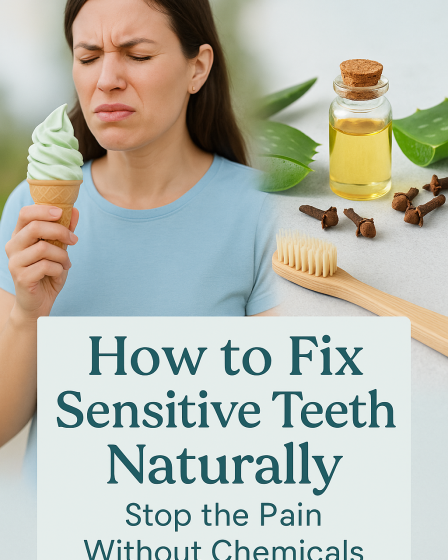
How to Fix Sensitive Teeth Naturally at Home
When you’re dealing with sensitive teeth, it can feel like even a sip of cold water or a bit of chocolate is too much. At SmilePerfectors, we see this all the time, and research shows you’re definitely not alone. The good news: by adjusting how you brush, what you eat and drink, and using a few dentist-approved natural options, you can start calming that sharp sting at home.
Dentists recommend starting with small, consistent changes rather than drastic fixes. Once you understand what’s actually irritating your teeth, the steps to ease sensitivity become much simpler—and that’s exactly where you’re headed next.
—
Why Sensitive Teeth Hurt – And What You Can Do Today
When the protective enamel wears down or gums recede, the inner layer of the tooth (dentin) gets exposed. Studies indicate this exposed dentin is what reacts painfully to cold, heat, sweets, or even air. That’s why certain simple daily habits can make a big difference.
Action step: Today, pay attention to what triggers your sensitive teeth:
- Cold drinks
- Hot coffee or tea
- Sweet or acidic foods
Write them down; this helps you choose the right home remedies and explain your symptoms clearly to your dentist if needed.
Bold safety note: If sensitivity is sudden, severe, or focused on one tooth, see a dentist immediately—this can be a sign of decay, a crack, or infection, not just general sensitive teeth.
—
Gentle Brushing Habits to Fix Sensitive Teeth Naturally at Home
Research shows that brushing too hard or using a hard-bristled toothbrush can wear away enamel and irritate your gums, making sensitivity worse. Dentists recommend switching to a soft-bristled brush and a sensitive-tooth toothpaste to protect enamel while still cleaning effectively.
Actionable brushing routine:
- Use a soft-bristled toothbrush and light pressure
- Brush for 2 minutes, twice a day
- Use a sensitivity toothpaste (with potassium nitrate or stannous fluoride) daily
- Spit out the foam, but don’t rinse with water right away—let the ingredients sit on your teeth
Warning: Avoid “scrubbing” side-to-side at the gumline. This can cause gum recession and expose more sensitive tooth surfaces.
—
Food and Drink Changes for Sensitive Teeth
You don’t have to give up everything you love, but research shows that acidic foods and drinks can soften enamel and increase sensitivity. Over time, things like soda, citrus, sports drinks, and frequent snacking can make sensitive teeth much harder to manage.
Actionable diet tweaks:
- Limit: soda, citrus juices, sports and energy drinks, vinegar-based dressings
- Rinse with water after acidic foods or drinks—don’t brush right away
- Use a straw for cold or acidic beverages to reduce contact with teeth
- Choose snacks like cheese, yogurt, nuts, and crunchy veggies that are tooth-friendly
Warning: Do not brush immediately after acidic foods or drinks—wait at least 30 minutes. Brushing too soon can remove softened enamel and worsen sensitive teeth.
—
Natural Soothers for Sensitive Teeth at Home
Many people want to know how to fix sensitive teeth naturally at home without harsh products. While natural options can help, research and dentist recommendations suggest they should support, not replace, proper oral care and professional advice.
Evidence-informed natural options:
- Salt water rinse: Mix ½ teaspoon of salt in a glass of warm water. Swish for 30 seconds once or twice a day to soothe gums and reduce irritation.
- Green tea rinse: Studies indicate green tea has antioxidant and mild anti-inflammatory properties. Let it cool and use it as a gentle mouth rinse once daily.
- Clove oil (diluted): Traditionally used for tooth discomfort. Put 1–2 drops in a teaspoon of carrier oil (like coconut oil) and dab very lightly with a cotton swab on the gum near the sensitive area.
Warning: Never apply undiluted essential oils directly to your gums or teeth—this can burn tissues and worsen pain. Always dilute and use sparingly.
—
When to Stop Home Care and Call a Dentist
Home steps for sensitive teeth are powerful, but they have limits. Research shows that persistent sensitivity can signal underlying problems such as cavities, cracks, worn fillings, or gum disease.
Call a dentist if:
- Sensitivity lasts more than 1–2 weeks despite gentle care
- Pain keeps you awake at night or needs painkillers regularly
- One tooth is much more sensitive than the others
- You notice swelling, pus, or a bad taste in your mouth
Action step:
– If your symptoms match any of the above, schedule an exam. Tell your dentist what triggers your pain, how long it lasts, and what you’ve tried at home. This helps them select the safest, least invasive treatment.
Safety reminder: Do not rely on home remedies alone if sensitivity is getting worse—delaying treatment can turn a simple fix into a root canal or extraction.
—
FAQ: How to Fix Sensitive Teeth Naturally at Home
Q1: Can I really fix sensitive teeth naturally at home?
Studies indicate you can often reduce sensitivity at home by:
- Using a soft brush and sensitivity toothpaste
- Avoiding harsh scrubbing and acidic foods
- Using natural rinses like salt water or cooled green tea
However, if the cause is a cavity, crack, or infection, only a dentist can fully fix the problem.
—
Q2: How long will it take to feel relief from sensitive teeth?
Dentists recommend giving sensitivity toothpaste and gentle brushing 2–4 weeks of consistent use. Natural methods like salt water rinses can offer short-term comfort, but lasting relief usually comes from protecting enamel and treating any underlying issues.
—
Q3: Are whitening products safe for sensitive teeth?
Research shows whitening kits and strips can increase sensitivity, especially if enamel is already worn. If you already have sensitive teeth, talk to your dentist before using any whitening products. They can recommend gentler options or in-office treatments that are safer for sensitive teeth.
—
Q4: Which is the best natural remedy for sensitive teeth?
There isn’t one “best” remedy for everyone, but many people get relief by combining:
- Salt water rinses
- Green tea rinses
- Gentle brushing with sensitivity toothpaste
Consistency matters more than a single miracle fix.
—
Q5: Can sensitive teeth heal on their own?
Enamel doesn’t grow back, but studies indicate you can remineralize and strengthen it with fluoride, proper diet, and good oral hygiene. Managing sensitive teeth naturally at home can greatly reduce pain, but you still need regular dental checkups to catch problems early.
—
If your sensitive teeth are affecting your daily life, you don’t have to just “live with it.” Start with the simple steps above today, and consider booking a visit with SmilePerfectors so we can pinpoint the cause and create a personalized plan to protect your smile.
Key Takeaways
How to Fix Sensitive Teeth Naturally at Home
If you’re wondering how to fix sensitive teeth naturally at home, you’re not alone. Tooth sensitivity can make simple things like sipping coffee or eating ice cream feel painful and frustrating. Research shows that millions of adults experience sensitivity, often due to worn enamel, gum recession, or exposed dentin.
The good news: there are safe, evidence-based home steps that can often reduce discomfort. Below, SmilePerfectors dentists share practical tips you can start today—plus clear signs of when you should see a dentist instead of trying to manage it alone.
—
1. Brush Gently to Protect Enamel and Nerves
Dentists recommend gentle, consistent care as a first line of defense for sensitive teeth. Studies indicate that brushing too hard or with a stiff brush can wear away enamel, exposing the sensitive layer underneath.
What to do:
- Use a soft-bristled toothbrush and brush with light, circular motions for 2 minutes.
- Choose a sensitivity toothpaste with ingredients like potassium nitrate or stannous fluoride; research shows these can help block pain signals from exposed nerves over time.
- Wait at least 30 minutes after acidic foods or drinks (like citrus, soda, or vinegar) before brushing to avoid brushing softened enamel.
Warning: Do not scrub your teeth aggressively or use hard-bristled brushes, as this can increase sensitivity and contribute to gum recession.
Takeaway: Switch to a soft brush + sensitivity toothpaste and focus on gentle technique twice a day.
—
2. Cut Down on Acidic and Sugary Drinks
If you’re trying to fix sensitive teeth naturally at home, what you drink matters as much as how you brush. Research shows that frequent exposure to acidic and sugary beverages erodes enamel and can quickly worsen sensitivity.
What to do:
- Limit sodas, sports drinks, energy drinks, citrus juices, sweet tea, and flavored waters with added acids.
- When you do have something acidic, use a straw to keep liquid away from teeth as much as possible.
- Rinse your mouth with plain water right after drinking acidic or sugary beverages to help neutralize acids.
Warning: Sipping acidic drinks slowly over several hours is more damaging than drinking them in one sitting, because it keeps your teeth in an “acid attack” state for longer.
Takeaway: Cut back on acidic/sugary drinks and always follow them with water to protect sensitive teeth.
—
3. Support Natural Remineralization of Sensitive Teeth
Your body is constantly trying to repair early enamel damage through a process called remineralization. Studies indicate that certain ingredients can support this natural repair and help reduce sensitivity over time.
What to do:
- Chew sugar-free xylitol gum after meals. Research shows xylitol can stimulate saliva and help reduce cavity-causing bacteria.
- Use a fluoride or nano-hydroxyapatite toothpaste; both are backed by studies for strengthening enamel and reducing sensitivity.
- At night, spit out the foam but do not rinse vigorously with water, so helpful minerals can stay on your teeth longer.
Warning: Do not swallow large amounts of toothpaste, especially for children. Always supervise kids and use only a pea-sized amount.
Takeaway: For natural support, focus on xylitol gum + fluoride or nano-hydroxyapatite toothpaste, and avoid rinsing heavily after nighttime brushing.
—
4. Protect Your Gums to Avoid Exposed Roots
Sensitive teeth aren’t always just an enamel problem. Studies indicate that gum recession can expose the root surfaces of teeth, which are much more sensitive to temperature and touch.
What to do:
- Floss gently once a day to remove plaque between teeth without snapping the floss into your gums.
- Keep up with regular dental cleanings (typically every 6 months) so your dentist can spot early signs of gum disease or recession.
- Ask your dentist about whether you might be clenching or grinding your teeth at night, which can worsen both sensitivity and gum issues.
Warning: Ignoring bleeding, swollen, or receding gums can lead to more serious problems, including tooth loss and persistent sensitivity.
Takeaway: Commit to daily gentle flossing and regular dental visits to protect your gums and reduce sensitivity from exposed roots.
—
5. Try Gentle Herbal Soothing at Home
If you’d like to fix sensitive teeth naturally at home using more soothing options, some herbal ingredients may help calm irritated tissues. While they don’t replace professional care, research suggests that certain plant extracts have anti-inflammatory and calming properties.
What to do:
- Use alcohol-free rinses or gels with ingredients like chamomile, aloe vera, or green tea, which have been studied for their soothing and antioxidant effects.
- Apply gels or rinses exactly as directed on the label, and avoid products with high alcohol content that can dry or irritate tissues.
- Combine these remedies with the brushing, diet, and gum-care steps above for a more complete approach.
Warning: Herbal products can still cause allergic reactions or irritation in some people. Stop use and contact a dentist or doctor if you notice burning, rash, or swelling.
Takeaway: Use alcohol-free herbal rinses or gels as a gentle add-on, not a replacement for proven sensitivity treatments or dental care.
—
When to Stop Home Care and Call a Dentist
While it’s reasonable to try to fix sensitive teeth naturally at home for a short time, dentists recommend a professional exam if symptoms don’t improve.
Call a dentist promptly if:
- Pain is sharp, severe, or keeps you awake at night.
- Sensitivity is limited to one tooth or a specific spot.
- You notice swelling, pus, a bad taste, or visible cracks or holes in your teeth.
- Home measures haven’t helped after 2–3 weeks.
Warning: Severe or persistent sensitivity can be a sign of decay, a cracked tooth, or infection, which cannot be fixed with home remedies alone and may worsen without treatment.
Takeaway: If natural home tips don’t ease your symptoms quickly—or if pain is strong—schedule a dental visit to rule out serious problems.
—
FAQ: How to Fix Sensitive Teeth Naturally at Home
1. Can I really fix sensitive teeth naturally at home?
You can often reduce mild sensitivity with gentle brushing, diet changes, remineralizing toothpaste, and gum care. However, research shows that issues like deep cavities or cracks require professional dental treatment, not just home care.
2. How long does it take for sensitivity toothpaste to work?
Dentists recommend using a desensitizing toothpaste twice daily for at least 2 weeks to feel a difference, and up to 4–6 weeks for full benefit. For best results, don’t rinse aggressively after brushing at night.
3. Are home remedies like saltwater rinses safe?
A mild saltwater rinse (½ teaspoon of salt in a cup of warm water) can be soothing and is generally safe for short-term use. Do not use very strong or very hot solutions, as they may irritate your gums.
4. Do I have to avoid all cold and hot foods?
You don’t necessarily have to avoid them forever, but while you’re trying to fix sensitive teeth naturally at home, it helps to minimize very hot, very cold, and very sweet items that trigger pain. As your sensitivity improves, you may gradually tolerate more.
5. When should I see a dentist instead of just using natural methods?
If your sensitivity is worsening, localized to one tooth, or accompanied by swelling or constant pain, see a dentist right away. Even if symptoms are mild, it’s wise to get a professional checkup at least every 6–12 months.
—
If you’re struggling with sensitivity, the SmilePerfectors team can evaluate what’s really causing your discomfort and build a customized plan that combines proven treatments with safe at-home steps. You don’t have to live with that “zing” every time you eat or drink—help is available.
Understanding What Causes Tooth Sensitivity
Understanding What Causes Tooth Sensitivity | SmilePerfectors
Feeling a sudden zing or sting in your teeth from something hot, cold, sweet, or even a breath of cool air can be worrying and frustrating. You’re not imagining it—tooth sensitivity is a very real and very common issue, and it often means the nerves inside your teeth are being irritated. Research shows that millions of adults experience sensitivity at some point, but the good news is there are clear causes and practical solutions.
—
How Tooth Sensitivity Happens
Think of your tooth enamel as your tooth’s armor. When that armor becomes thin, cracked, or worn down, it can no longer fully protect the inner layer called dentin.
Studies indicate that when dentin is exposed, tiny tubules inside it act like channels, allowing temperature and pressure changes to reach the nerve. That’s when you feel that sharp, sudden pain.
Key takeaway:
If your enamel is damaged or your roots are exposed, your nerves are more vulnerable, which leads to tooth sensitivity.
—
Common Everyday Triggers for Tooth Sensitivity
Dentists recommend paying attention to everyday habits that can slowly wear down enamel or expose your roots. Often, the pain you feel is the result of repeated “stress” on your teeth over time.
1. Brushing Too Hard or With a Stiff Brush
Research shows that brushing aggressively or using a hard-bristled toothbrush can gradually wear away enamel and push gums back.
This can lead to:
- Exposed dentin near the gumline
- Receding gums that uncover sensitive tooth roots
Action step:
Use a soft-bristled toothbrush and gentle, circular motions. Let the bristles do the work—pressure should be light, not forceful.
—
2. Acidic Drinks and Frequent Snacking
Dentists recommend limiting highly acidic foods and drinks because they chemically soften and erode enamel. Studies indicate that frequent sipping is more damaging than having a drink all at once.
Common culprits include:
- Soda, energy drinks, and sports drinks
- Citrus juices (orange, lemonade, grapefruit)
- Frequent snacking on candies or sugary treats
Action step:
Cut down on acidic drinks, rinse with water after having them, and try to consume them with meals instead of sipping all day.
Warning:
Do NOT brush immediately after acidic foods or drinks. The enamel is temporarily softened, and brushing right away can scrub it off more easily. Wait at least 30 minutes.
—
3. Grinding or Clenching Your Teeth
If you grind or clench (often during sleep or times of stress), you put extra pressure on your teeth. Research shows this can cause micro-cracks in enamel and wear it away over time.
Signs you may be grinding include:
- Morning jaw soreness or tightness
- Flat or worn-down tooth edges
- Headaches, especially after waking
Action step:
Talk to your dentist about a custom night guard to protect your teeth while you sleep and consider stress-reduction techniques during the day.
—
4. Receding Gums and Exposed Roots
As gums recede, the tooth roots—which are not covered by enamel—can become exposed. Studies indicate that gum recession can be caused by hard brushing, gum disease, or even genetics.
Exposed roots are:
- More sensitive to hot, cold, and touch
- More prone to decay because they lack protective enamel
Action step:
If you notice your teeth looking “longer” or see darker areas near the gumline, schedule a dental exam. Early treatment can prevent sensitivity from getting worse.
—
From Triggers to Relief: What You Can Do Today
Once you understand what’s irritating your teeth, you can start removing the triggers instead of only treating the pain.
Dentists recommend:
- Switching to a sensitivity toothpaste with potassium nitrate or stannous fluoride
- Using a soft-bristled brush and gentle brushing technique
- Reducing acidic drinks and all-day snacking
- Asking your dentist about night guards if you grind your teeth
- Getting regular cleanings to monitor gum health and recession
Warning:
Do not ignore ongoing or severe tooth sensitivity. It can sometimes signal cavities, cracks, or infections that need professional treatment. If sensitivity lasts more than a week or worsens, see a dentist promptly.
Key takeaway:
Identify your personal triggers, adjust your habits, and work with your dentist for a tailored plan. Small daily changes can significantly reduce tooth sensitivity over time.
—
FAQ About Tooth Sensitivity
1. Is tooth sensitivity always a sign of a cavity?
Not always. Tooth sensitivity can come from worn enamel, receding gums, or grinding, not just cavities. However, only a dentist can confirm the cause, so it’s best to get it checked.
—
2. Can tooth sensitivity go away on its own?
Sometimes mild sensitivity improves when you change habits, like brushing more gently or switching toothpaste. If it doesn’t improve within 1–2 weeks, schedule an exam to rule out more serious problems.
—
3. Which toothpaste is best for tooth sensitivity?
Dentists recommend desensitizing toothpastes containing ingredients like potassium nitrate or stannous fluoride. These help block the tiny tubules in dentin and reduce nerve irritation over time.
—
4. When should I see a dentist for sensitive teeth?
You should see a dentist if:
- Sensitivity is new, severe, or one-sided
- Pain lingers after hot or cold
- You see cracks, chips, or dark spots
Warning:
Sudden, intense pain or swelling with sensitivity can be an emergency. Contact a dentist or emergency care right away.
—
If you’re struggling with tooth sensitivity, you’re not alone, and you don’t have to just “live with it.” At SmilePerfectors, our dentists can identify the exact cause and create a personalized plan to protect your teeth, calm your nerves, and help you enjoy hot and cold foods comfortably again.
Assessing Your Sensitivity Level at Home
How to Check Your {keyword} at Home
Feeling sudden zings or aches in your teeth can be worrying, especially when you’re not sure how serious it is. Research shows that tracking your {keyword} at home can help your dentist quickly find the cause and recommend the right treatment.
Below is a simple, dentist-approved way to understand what you’re feeling before your appointment.
Important: If you ever feel intense, throbbing pain or swelling in your face or jaw, contact a dentist or urgent care right away. Don’t wait and “see if it goes away.”
—
Step 1: Notice Daily Patterns in Your {keyword}
Dentists recommend paying attention to your teeth for 2–3 days and writing down what you notice. Studies indicate that these simple observations can reveal whether sensitivity is mild wear, gum recession, or possibly something more serious.
Focus on clear, specific details:
- Which teeth react? Front, back, left, right?
- What does it feel like? Sharp sting, dull ache, or lingering discomfort?
- What triggers it?
- Brushing
- Cold air
- Hot or cold drinks
- Sweet or acidic foods
- Dry mouth or breathing through your mouth
Takeaway: Keep a small note on your phone titled “{keyword} log” and add quick entries for 2–3 days. This gives you and your dentist a clearer picture of what’s going on.
—
Step 2: Use a 0–10 Pain Scale for Your {keyword}
Research shows that using a simple 0–10 pain scale makes it easier for dentists to understand your symptoms and choose the safest treatment. Try to rate your sensitivity each time it flares up.
Use this guide:
- 0–3 (Mild):
- Brief twinges that disappear in seconds
- You notice them, but they’re easy to ignore
- 4–6 (Moderate):
- More frequent “zaps” or stings
- Distracts you while eating, drinking, or brushing
- 7–10 (Severe):
- Pain changes how you eat, drink, or brush
- You avoid certain teeth, foods, or even brushing parts of your mouth
Write down:
- The number (0–10)
- What you were doing (drinking iced water, brushing, breathing in cold air)
- How long it lasted (seconds vs. minutes)
Takeaway: Aim to record at least 3–5 pain ratings over a few days. Bring this to your SmilePerfectors appointment so your dentist can tailor your treatment.
—
Step 3: Know When Your {keyword} Needs a Dentist Quickly
It’s normal to feel worried if your tooth sensitivity suddenly changes. Dentists recommend watching carefully for “red flag” symptoms, because studies show that early treatment can prevent bigger problems like infections or fractures.
Watch for:
- Sudden spike in pain that’s much worse than usual
- Pain that wakes you up at night or keeps you from sleeping
- Pain that lasts minutes, not just a quick twinge
- Swelling, bad taste, or pus in the mouth
- Pain when biting down, as if something is cracked
Warning: Do not keep taking painkillers day after day without seeing a dentist if your {keyword} is getting worse. This can mask serious issues like infection or decay.
Takeaway: If you notice any of the signs above, plan a dental check at SmilePerfectors as soon as possible—ideally within a few days.
—
FAQ: Common Questions About Tracking Your {keyword}
Q1: How many days should I track my {keyword} before seeing a dentist?
Most dentists recommend at least 2–3 days of notes. If your pain is severe or getting worse, don’t wait—book an appointment immediately.
Q2: Can I ignore mild {keyword} if it doesn’t bother me much?
Studies indicate that ongoing mild sensitivity can sometimes be an early sign of enamel wear or gum recession. It’s best to mention it at your next SmilePerfectors checkup so your dentist can monitor and protect your teeth.
Q3: Is it normal for my {keyword} to be worse with cold drinks only?
Yes, many people feel sensitivity mainly to cold. However, if the pain lingers for more than 30 seconds after the cold is gone, dentists recommend an exam to rule out deeper issues like nerve inflammation.
Q4: What should I bring to my SmilePerfectors visit about my {keyword}?
Bring your pain log, including:
- When it hurts
- Your 0–10 scores
- Triggers (cold, sweet, brushing, air)
This helps your dentist give you faster, more accurate answers.
—
Food and Drink Habits That Calm Sensitive Teeth
If you live with sensitive teeth, even a sip of cold water or a bite of dessert can feel like a shock. You’re not imagining it—research shows that daily food and drink habits can either calm sensitivity or make it worse. At SmilePerfectors, we focus on simple, realistic changes you can actually stick with, not perfection.
Important: Always talk with your dentist if tooth sensitivity is new, severe, or getting worse. It can be a sign of cavities, cracks, or gum disease that need professional treatment.
—
How Food and Drink Affect Sensitive Teeth
Studies indicate that frequent exposure to acids and sugars can wear down tooth enamel and expose the sensitive layer underneath. That’s why even small, repeated “sips and snacks” throughout the day can trigger discomfort.
Key takeaway: Protect your enamel by cutting down how often your teeth are bathed in acids and sugars, not just how much you consume.
—
Daily Habits to Calm Sensitive Teeth
Research shows that small, consistent changes in your routine can reduce sensitivity over time. You don’t have to overhaul your entire diet—just adjust how and when you enjoy certain foods and drinks.
– Sip room‑temperature water between meals.
It gently rinses away acids and sugars and is less likely to trigger sensitivity than ice‑cold drinks. Dentists recommend keeping a reusable bottle nearby so sipping becomes automatic.
– Limit “acid bursts” like soda, citrus, vinegar drinks, sports drinks, and wine.
Studies indicate that highly acidic drinks soften enamel and increase sensitivity. If you have them, keep them with meals, not as all‑day sippers.
– Avoid swishing acidic or sweet drinks.
Swishing keeps acids on your teeth longer. Use a straw and swallow promptly so less liquid contacts your teeth.
– After acidic drinks or sour foods, rinse with plain water.
This helps neutralize acids. Then wait at least 30 minutes before brushing, because brushing too soon can scrub softened enamel away.
Key takeaway: Focus on *when* and *how* you have acidic or sweet drinks—not just whether you have them at all.
—
Toothpaste and Sensitive Teeth
Dentists recommend low‑abrasive, sensitivity‑focused toothpastes for people with sensitive teeth. Research shows that ingredients like potassium nitrate and stannous fluoride can help block sensitivity over time when used twice daily.
- Look for “for sensitive teeth” on the label and choose a soft‑bristled brush.
- Brush gently in small circles instead of “scrubbing” back and forth.
- Give a new sensitivity toothpaste 2–4 weeks of consistent use to feel the full effect.
Warning: Do not brush aggressively or more than 3 times per day—this can wear away enamel and worsen sensitivity.
Key takeaway: Pick one sensitivity toothpaste and use it gently and consistently, rather than switching products every few days.
—
Flossing Without Making Sensitivity Worse
Flossing is essential for gum health, and studies show that clean gums can actually help reduce sensitivity near the gumline. But rough technique can cause tenderness and make you avoid flossing altogether.
- Use gentle, controlled motions—slide the floss between teeth, curve it into a “C” shape, and glide it up and down.
- Avoid snapping the floss into the gums or sawing back and forth.
- If traditional floss irritates you, try waxed floss, floss picks, or a water flosser recommended by your dentist.
Warning: If flossing causes bleeding that lasts more than a week, or severe pain, see your dentist or hygienist—there may be an underlying issue.
Key takeaway: Floss once a day with a gentle technique to keep the gumline clean without adding more irritation.
—
FAQs About Sensitive Teeth
Q: Can changing my diet really help with sensitive teeth?
Yes. Research shows that reducing frequent acidic and sugary exposures can protect enamel and calm sensitive teeth. Combining better eating and drinking habits with sensitivity toothpaste often gives the best results.
Q: Is it okay to drink coffee or tea with sensitive teeth?
Yes, in moderation. Try them warm, not very hot or iced, and avoid sipping for hours. Rinse with water afterward to reduce staining and acid exposure.
Q: When should I see a dentist about sensitive teeth?
If sensitivity is sudden, sharp, getting worse, or focused on one tooth, dentists recommend an exam as soon as possible. This helps rule out cavities, cracks, or infections that home care alone can’t fix.
Q: Do I have to avoid all acidic foods forever?
Not usually. Most people do well by keeping acidic foods and drinks with meals, rinsing with water afterward, and avoiding constant sipping. Your SmilePerfectors dentist can personalize a plan based on your enamel and gum health.
—
Natural Remineralizing Routines for Stronger Enamel
If you worry about weak or sensitive teeth, you’re not alone. Many SmilePerfectors patients are surprised to learn that beyond avoiding sugar and acids, there are simple natural remineralizing routines for stronger enamel you can build into your day at home. Research shows that consistent small habits can help your enamel repair and stay stronger over time.
—
How Saliva Helps Natural Remineralizing Routines for Stronger Enamel
Feeling like your teeth are “under attack” from food and drinks is very common. The good news is that your mouth has a built‑in protection system: saliva. Studies indicate that saliva helps neutralize acids and delivers minerals like calcium and phosphate back to tooth surfaces, supporting natural enamel repair.
Action steps after meals (10–15 minutes)
After each meal or snack, choose one of these:
– Chew sugar‑free xylitol gum for 10–15 minutes
Research shows xylitol can reduce cavity‑causing bacteria and boost saliva flow.
– Slowly suck on xylitol mints
Let them dissolve; don’t bite them quickly.
– Sip plain water and swish gently
Swish for a few seconds before swallowing to help rinse acids and bring minerals in your saliva to your teeth.
Concrete takeaway:
Aim to add one saliva‑boosting habit after at least two meals per day to support natural remineralization.
Important safety note:
If you have TMJ/jaw pain, limit chewing gum and talk to your dentist first, as too much chewing can worsen jaw discomfort. Also, xylitol is safe for people but highly toxic to dogs, so store gum and mints safely out of pets’ reach.
—
Creating a Nighttime “Remineralizing Window”
Even if your days are busy or your diet isn’t perfect, nights are a powerful time to support natural remineralizing routines for stronger enamel. Dentists recommend giving your teeth a “rest period” at night so acids drop and minerals can rebuild enamel.
Simple nightly routine
Try this 4‑step routine:
– Stop eating 2–3 hours before bed
This reduces the number of acid attacks right before sleep.
– Drink only plain water after that
Skip sugary drinks, juice, or flavored waters.
– Brush gently with a remineralizing toothpaste
Look for ingredients like fluoride, nano‑hydroxyapatite, or calcium/phosphate complexes (ask your SmilePerfectors dentist for recommendations).
– Leave a thin layer on teeth; don’t rinse aggressively
Just spit out the excess foam and, if needed, take a tiny sip of water and lightly swish.
Research shows that fluoride and other remineralizing agents work best when they stay on the teeth longer, especially overnight.
Concrete takeaway:
Follow this routine at least 5 nights per week to give your enamel a consistent chance to repair.
Safety reminder:
Do not swallow large amounts of toothpaste, especially in children. Use only a pea‑sized amount for adults and a smear or rice‑sized amount for young children, as dentists recommend.
—
FAQs About Natural Remineralizing Routines for Stronger Enamel
Do natural remineralizing routines replace fillings?
No. Studies indicate that remineralization can help early, non‑cavitated lesions (very early enamel damage), but once there’s a cavity or hole, only a dentist can restore it. These routines support prevention and early repair, not replacement of dental treatment.
How long does it take to see results?
Most patients who follow these natural remineralizing routines for stronger enamel consistently notice less sensitivity within a few weeks. Enamel rebuilding is slow and microscopic, so you won’t “see” it, but your SmilePerfectors dentist can monitor changes over time.
Are remineralizing toothpastes safe for daily use?
Dentists recommend many remineralizing toothpastes for everyday use, as long as you follow the instructions on the label. If you have kidney issues, allergies, or are unsure about an ingredient, talk to your dentist before starting a new product.
—
If you’re unsure where to start, pick one after‑meal habit and the nighttime routine, and stick with them for a month. Consistency is more important than perfection, and the SmilePerfectors team can help you customize these natural remineralizing routines for stronger enamel at your next visit.
Gentle At-Home Desensitizing Techniques
Gentle At-Home Desensitizing Techniques for Sensitive Teeth Treatment
Feeling a quick zing or sharp twinge when you sip something cold or hot can be frustrating and even a little scary. At SmilePerfectors, we understand how disruptive this can be to your everyday life. The good news: research-backed, gentle at-home steps can offer effective sensitive teeth treatment while you work with your dentist on the root cause.
—
Start Sensitive Teeth Treatment with Desensitizing Toothpaste
Research shows that desensitizing toothpaste can significantly reduce tooth sensitivity when used consistently over several weeks. These formulas often contain ingredients like potassium nitrate or stannous fluoride that help calm the nerves inside your teeth and strengthen enamel.
Use your desensitizing toothpaste:
- Twice daily (morning and night)
- With a soft-bristled toothbrush
- Using small, gentle circles, not harsh scrubbing
Spit out the excess foam, but do not rinse with water right away. Leaving a thin layer of toothpaste on your teeth helps the active minerals stay in contact longer and improves sensitivity relief.
Warning: Do not brush aggressively or more than 3 times per day, as overbrushing can wear down enamel and make sensitivity worse. If your pain increases after switching toothpaste, stop and contact your dentist.
Takeaway: Use a dentist-recommended desensitizing toothpaste gently twice a day and avoid rinsing afterward to let the minerals keep working.
—
Limit Whitening Products During Sensitive Teeth Treatment
If your teeth are already sensitive, strong whitening products can feel like adding fuel to the fire. Studies indicate that some whitening gels and strips can temporarily increase sensitivity by moving fluid through tiny channels (tubules) in your dentin.
While you’re focusing on sensitive teeth treatment:
- Pause aggressive whitening strips, gels, and high-strength kits
- Choose milder, dentist-approved whitening products only if your dentist says it’s safe
- Avoid using multiple whitening products at the same time
Warning: Overusing whitening products or using them longer than directed can damage enamel and intensify tooth sensitivity. Always follow the instructions on the package and check with your dentist if you’re unsure.
Takeaway: Put strong whitening treatments on hold until your sensitivity improves, and only use whitening products under your dentist’s guidance.
—
Check Your Bite: A Hidden Cause of Sensitivity
Sometimes, sensitivity isn’t just about enamel—it’s about how your teeth come together when you bite. Dentists recommend checking for high or worn fillings, crowns, or uneven bite contacts, because these can create pressure points that trigger sharp, localized pain.
Pay attention to:
- Sharp, one-tooth pain when biting down
- Discomfort when chewing on one specific side
- A feeling that one tooth or filling “hits first” before the others
If you notice any of these, schedule an exam for a bite adjustment. Research shows that adjusting high spots on fillings or crowns can quickly relieve bite-related sensitivity and prevent further tooth wear or cracking.
Warning: Do not try to adjust or file down a filling or tooth at home—this can lead to serious damage and infection. Only a licensed dentist should make bite adjustments.
Takeaway: If one tooth hurts when you bite, contact your dentist for a professional bite evaluation and possible adjustment.
—
FAQ: Sensitive Teeth Treatment at Home
Q: How long does desensitizing toothpaste take to work for sensitive teeth treatment?
Most studies show improvement in 2–4 weeks of twice-daily use. If you see no change after a month, talk to your dentist to rule out cavities, cracks, or gum disease.
Q: Can I use desensitizing toothpaste every day, long term?
Yes, dentists recommend daily, long-term use for many patients with chronic sensitivity. If you have concerns about ingredients or other conditions, ask your SmilePerfectors dentist to recommend the best brand for you.
Q: Is sensitive teeth treatment at home enough, or do I need to see a dentist?
At-home care can reduce symptoms, but it doesn’t always fix the underlying cause. If your sensitivity is new, getting worse, or wakes you up at night, schedule a dental exam to rule out infection, cracks, or deep decay.
—
For personalized sensitive teeth treatment, the team at SmilePerfectors can help identify the exact cause of your discomfort and create a safe, targeted plan—combining gentle at-home steps with professional care when needed.
Herbal and Plant-Based Soothers for Tooth Nerves
If you’re dealing with sharp zings of sensitivity, you’re not imagining it—sensitive teeth can make everyday things like coffee, ice water, or even breathing in cold air feel miserable. Research shows that irritated tooth nerves and exposed dentin are common causes of this discomfort, and many patients want gentler, more natural options to help calm things down.
Dentists recommend starting with desensitizing toothpaste and mild whitening products, but herbal and plant-based options can play a supporting role. Below are evidence‑informed, dentist‑approved ways to use plants to help soothe tooth nerves at home.
—
Herbal Mouthwashes for Tooth Nerve Relief
Herbal mouth rinses can be a simple add‑on to your brushing routine. Studies indicate that ingredients like chamomile, aloe vera, and green tea can help reduce gum inflammation, which may indirectly calm sensitive tooth nerves.
When choosing an herbal mouthwash:
- Look for alcohol‑free formulas so you don’t dry or burn sensitive tissues.
- Check the label for chamomile, aloe vera, or green tea extract as active ingredients.
- Swish for 30–60 seconds after brushing, then spit out completely.
Action step: Use an alcohol‑free herbal mouthwash once or twice daily for at least 2–3 weeks, and pay attention to whether hot/cold foods feel more comfortable over time.
Safety note: If your mouth burns, feels itchy, or your lips swell after using a new rinse, stop immediately and contact your dentist or doctor—this may be an allergic reaction.
—
Plant-Based Gels for Sensitive Areas
If certain teeth or gum spots feel extra “zingy,” targeted gels can offer more focused relief. Research shows that aloe vera has soothing, anti‑inflammatory properties, and dentists have long used clove oil (eugenol) in controlled doses for temporary tooth discomfort.
You can try:
- Aloe vera gel (food‑grade)
- Use a small, clean cotton swab or fingertip.
- Dab a thin layer over sore gum areas or along the gumline of sensitive teeth.
- Let it sit for 5–10 minutes, then spit out any excess.
- Clove‑based gel (low‑dose, dental or oral-care grade)
- Apply a very small amount directly to the painful area.
- Leave it on for a few minutes only, then rinse gently with water if it feels too strong.
- Use sparingly, as overuse may irritate tissues.
Action step: Try one gel at a time, once daily for 3–5 days, and note how your sensitivity changes. If one clearly helps, you can continue up to twice daily for a short term (1–2 weeks) while you work with your dentist on the underlying cause.
Safety note: Never use straight (undiluted) clove essential oil directly on your gums or teeth—it can burn tissues and worsen pain. Always choose products labeled safe for oral use and follow the instructions.
—
When to Call Your Dentist
Natural options can be comforting, but they’re not a substitute for a proper exam. Studies indicate that persistent tooth sensitivity can be a sign of cavities, cracked teeth, gum recession, or nerve damage that needs professional treatment.
Contact your dentist if:
- Pain lasts more than a week, even with home care.
- You feel spontaneous throbbing, especially at night.
- You notice swelling, bad taste, or pain when biting.
Action step: Use herbal rinses and gels only as short‑term support and schedule a dental visit to rule out serious problems. Delaying care can allow infections or fractures to worsen.
—
FAQs: Herbal and Plant-Based Soothers for Tooth Nerves
1. Are herbal remedies enough to fix tooth nerve problems?
Studies indicate herbal products can reduce irritation and discomfort, but they do not repair cavities, cracks, or deep nerve damage. Always use them as a complement to professional dental care, not a replacement.
2. How long should I use aloe vera or clove gel on my teeth?
Dentists recommend using these short term, typically 1–2 weeks, while you monitor symptoms. If you still have pain after that, stop and see your dentist for a full evaluation.
3. Can I make my own herbal mouthwash at home?
You can brew weak chamomile or green tea as a gentle rinse once cooled. However, do not add alcohol or strong essential oils, and stop use if you notice burning, irritation, or worsening sensitivity.
4. Are herbal and plant-based soothers safe for everyone?
Most people tolerate them well, but people with allergies (especially to plants like chamomile or cloves), pregnant individuals, or those on medications should speak with a dentist or doctor first. When in doubt, ask your dental provider before starting any new product.
Oil Pulling and Other Traditional Remedies
Oil Pulling and Sensitive Teeth: Do Traditional Remedies Really Help?
If you have sensitive teeth, you’re not imagining how frustrating it’s when hot coffee or cold water suddenly hurts. Many SmilePerfectors patients ask whether oil pulling and sensitive teeth care can safely work together. Research shows that some traditional remedies may support gum health and comfort—but they should always complement, not replace, professional dental care.
Dentists recommend using these methods as gentle add‑ons to your daily routine, especially when used correctly and consistently.
—
How Oil Pulling May Help with Sensitive Teeth
Oil pulling is an old Ayurvedic practice that involves swishing oil in your mouth to help reduce bacteria and plaque. Studies indicate that coconut and sesame oil can lower certain harmful oral bacteria, which may indirectly ease gum inflammation and reduce sensitivity over time.
To try oil pulling and sensitive teeth care safely:
- Use 1 teaspoon to 1 tablespoon of coconut or sesame oil.
- Gently swish for 5–10 minutes (you can build up to 15 minutes if comfortable).
- Spit the oil into a trash can (not the sink, to avoid clogs), then rinse with water and brush as usual.
Concrete takeaway:
Start with oil pulling 3 times per week, always before brushing, and track how your teeth and gums feel for 2–3 weeks.
Warning:
Do not swallow the oil, as it may contain bacteria and toxins pulled from your mouth.
—
Warm Salt‑Water Rinses for Sensitive Teeth Relief
When your teeth feel “zingy” or your gums are tender, a warm salt‑water rinse can be a gentle, at‑home helper. Research shows that salt‑water rinses can reduce oral bacteria and support healing of irritated tissues.
To use warm salt water as part of your oil pulling and sensitive teeth routine:
- Dissolve ½ teaspoon of salt in a cup of warm (not hot) water.
- Swish for 30 seconds to 1 minute, then spit it out.
- Repeat once or twice per day during flare‑ups of gum tenderness or sensitivity.
Concrete takeaway:
Use a warm salt‑water rinse after brushing at night to help lower acidity and soothe your gums before bed.
Warning:
Avoid overusing salt rinses (more than 3–4 times daily), as excessive salt exposure may irritate the tissues instead of calming them.
—
Ginger Remedies for Tender Gums
If your gums feel sore or puffy, gentle herbal support can be comforting. Studies indicate ginger has mild anti‑inflammatory and antioxidant properties that may help calm irritated gum tissue.
A simple way to use ginger:
- Slice fresh ginger, lightly crush it, and wrap in a clean, damp cloth or gauze.
- Place the compress on the outer cheek over the tender gum area for 5–10 minutes.
- Repeat once daily during periods of gum discomfort.
Concrete takeaway:
Use a ginger compress on the outside of your cheek—not directly on the tooth—as a short‑term, soothing option for gum tenderness.
Warning:
Do not place undiluted ginger or spicy pastes directly on exposed, sensitive teeth, as this can increase irritation or burning.
—
Clay Packs on the Cheek: A Gentle Add‑On
Some people like using natural clay packs on the outer cheek, near sensitive areas, as a relaxing part of their self‑care. While research on clay and oral health is limited, some holistic practitioners suggest it may support local circulation and gentle mineral exchange through the skin.
To try a clay cheek pack safely:
- Use cosmetic‑grade clay (such as bentonite) mixed with a little water to form a soft paste.
- Apply a thin layer to the outside of the cheek over the sensitive area.
- Leave on for 10–15 minutes, then rinse the skin thoroughly.
Concrete takeaway:
Use clay packs occasionally (1–2 times per week) as a relaxing, external addition—never as a replacement for fluoride toothpaste, desensitizing products, or professional treatment.
Warning:
Do not apply clay directly to exposed roots or cavities, and stop use if you notice any skin irritation.
—
Putting It All Together: A Safe Routine for Sensitive Teeth
For many patients, the best results come from blending traditional remedies with evidence‑based dental care. Dentists recommend focusing first on proper brushing, flossing, and professional cleanings, then layering in supportive home remedies.
A sample weekly routine:
- Daily:
- Brush twice a day with a desensitizing fluoride toothpaste.
- Floss once a day.
- Do a warm salt‑water rinse at night when sensitivity flares.
- 3–4 times per week:
- Practice oil pulling before brushing in the morning.
- As needed:
- Use a ginger cheek compress for sore gums.
- Apply a clay cheek pack 1–2 times weekly for relaxation.
Warning:
If your tooth sensitivity is new, worsening, or wakes you up at night, see a dentist promptly. Home remedies can’t fix cavities, fractures, gum disease, or infections.
—
FAQ: Oil Pulling and Sensitive Teeth
1. Can oil pulling cure sensitive teeth?
No. Research shows oil pulling may reduce bacteria and improve gum health, but it does not cure underlying causes like enamel wear, cavities, or gum recession. It should be used only as a supportive step, not a standalone treatment.
2. How often should I combine oil pulling and sensitive teeth care?
Most dentists suggest starting with 3–4 times per week and monitoring your comfort. If sensitivity worsens, stop and consult your dentist.
3. Is coconut or sesame oil better for sensitive teeth?
Both have been studied and can be effective. Studies indicate that coconut oil (especially with lauric acid) may offer additional antimicrobial benefits, so many people prefer it for oil pulling.
4. Can I do oil pulling if I’ve fillings, crowns, or veneers?
In most cases, yes—but dentists recommend checking with your own provider first. Warning: If you notice any looseness, pain, or sensitivity around dental work, stop oil pulling and schedule an exam.
5. When should I skip home remedies and see a dentist?
Visit a dentist at SmilePerfectors if you have:
- Sharp pain with chewing or biting
- Sensitivity that lasts more than a few seconds after hot or cold
- Swelling, bad taste, or pus in the gums
- A cracked, broken, or darkened tooth
These are signs that oil pulling and sensitive teeth home care isn’t enough and professional treatment is needed.
Daily Oral Care Habits That Prevent Future Sensitivity
If you’re dealing with sensitive teeth, you’re not imagining it—sharp “zings” from hot coffee or cold water are very real and very common. Research shows that consistent, gentle daily care is one of the most effective ways to prevent future sensitivity and protect your smile long‑term.
At SmilePerfectors, our goal is simple: help you protect enamel and keep gums snug around each tooth so sensitivity has less chance to return.
—
Gentle Brushing Habits That Prevent Future Sensitivity
Dentists recommend brushing twice a day for two minutes with a soft‑bristled toothbrush to avoid wearing down enamel. Studies indicate that brushing too hard or using a hard brush can increase tooth sensitivity by exposing the inner dentin layer.
How to brush without damaging enamel:
- Hold the brush at a 45‑degree angle toward the gumline.
- Use short, feather‑light strokes, not hard scrubbing.
- Focus on all surfaces: outer, inner, and chewing surfaces.
Action takeaway:
Tonight, check your pressure: if your bristles are bending sideways, you’re brushing too hard. Aim for “feather‑light brushing” to protect enamel and prevent future sensitivity.
Important: Do not use a hard‑bristled brush or scrub aggressively—this can erode enamel and cause gum recession, increasing sensitivity.
—
Precise Flossing to Protect Sensitive Areas
It’s easy to skip flossing when your teeth feel tender, but research shows that daily flossing reduces gum inflammation, which can expose sensitive tooth roots if left untreated. Dentists recommend a gentle, controlled motion rather than snapping floss between teeth.
How to floss without hurting your gums:
- Gently slide floss between teeth—don’t snap it down.
- Curve it in a “C” shape around each tooth.
- Move it up and down slowly under the gumline on both sides.
Action takeaway:
Pick one time—every night before bed—to do this careful “C‑shape” flossing routine. You’ll clean the hidden spaces that brushing can’t reach and help prevent future sensitivity around the gumline.
—
Mouthwash Choices That Prevent Future Sensitivity
Not all rinses are created equal. Studies indicate that mouthwashes with fluoride and xylitol can help strengthen enamel and reduce cavity‑causing bacteria, while soothing ingredients like aloe may be gentler on sensitive tissues.
What to look for in a rinse:
- Fluoride to help remineralize and protect enamel.
- Xylitol to reduce acid‑producing bacteria.
- Alcohol‑free formulas to avoid burning sensitive gums.
Action takeaway:
Choose a fluoride, alcohol‑free mouthwash and rinse gently for 30 seconds after brushing at night. Think of it as “calm, soft rinsing” that nourishes and protects sensitive teeth.
Warning: Avoid rinses with high alcohol content if you have sensitivity—these can dry tissues and cause a stinging sensation.
—
Don’t Forget Your Tongue: Reducing Acid‑Making Bacteria
Many people overlook the tongue, but research shows the tongue can harbor a large portion of the bacteria that produce acids, which can weaken enamel over time. A quick clean can make a big difference for both sensitivity and breath.
How to clean your tongue gently:
- Use a soft toothbrush or a tongue scraper.
- Start at the back and move forward in gentle strokes.
- Rinse your mouth with water or your gentle mouthwash afterward.
Action takeaway:
Add 10 extra seconds to your routine to brush or scrape your tongue once a day. This helps reduce acid‑making bugs that can contribute to enamel wear and future sensitivity.
—
Night Routine Check: Locking In Protection
Nighttime is when your mouth is driest, so what you do before bed matters. Dentists recommend a consistent night routine for people prone to tooth sensitivity to keep enamel supported while you sleep.
Build a quick night checklist:
- Brush gently with a soft brush and fluoride toothpaste.
- Floss carefully using the “C‑shape” method.
- Rinse softly with an alcohol‑free, fluoride mouthwash.
- If recommended by your dentist, use a nightguard if you grind your teeth.
Action takeaway:
Create a 5‑minute “night routine check” and follow it daily for at least 2 weeks. You’re “locking in protection” overnight and giving sensitive teeth the best chance to heal and strengthen.
Safety note: If sensitivity suddenly worsens, lasts more than a few weeks, or wakes you at night, see a dentist promptly—this can be a sign of a cavity, crack, or infection that home care alone cannot fix.
—
Quick Habit Guide
| Habit Image | What You’re Doing |
|---|---|
| Feather‑light brushing | Protecting enamel |
| Careful floss curves | Cleaning hidden spaces |
| Calm, soft rinsing | Nourishing and strengthening teeth |
| Tongue brushing | Reducing acid‑making bacteria |
| Night routine check | Locking in long‑term protection |
—
FAQ: Daily Habits That Prevent Future Sensitivity
Q1. How long until daily habits start to reduce sensitivity?
Studies indicate that with consistent, gentle brushing and fluoride use, many people notice improvement in 2–4 weeks. If there’s no change after a month, schedule an exam to rule out deeper problems.
Q2. Can I still use whitening products if I have sensitivity?
Dentists recommend using sensitive‑formula whitening products and limiting frequency. Never ignore sharp or lingering pain during whitening, and stop immediately if sensitivity worsens.
Q3. Is it okay to brush right after eating?
If you’ve had something acidic (soda, citrus, vinegar), studies suggest waiting 30 minutes before brushing. This gives your enamel time to reharden and helps prevent additional wear.
Q4. Do I need a special toothpaste for sensitivity?
Yes, many dentists recommend desensitizing toothpaste with ingredients like potassium nitrate or stannous fluoride. Use it twice daily, and don’t rinse with water immediately afterward—just spit out the excess so the ingredients can keep working.
When Natural Care Isn’t Enough: Signs You Need a Dentist
When Natural Remedies Aren’t Enough for Tooth Sensitivity
Feeling that sharp “zing” in your teeth and wondering if it’s still normal? You’re not alone. At SmilePerfectors, we see many patients who try every home remedy first, then realize their tooth sensitivity is actually a sign of something more serious.
Research shows that ongoing sensitivity can be linked to issues like tooth decay, enamel loss, gum recession, or even nerve problems—things that natural care alone can’t fix.
Key takeaway: If sensitivity keeps coming back or is getting worse, it’s time to let a dentist step in before the problem grows.
—
When Tooth Sensitivity Means You Should See a Dentist
Dentists recommend scheduling a visit if sensitivity is frequent, intense, or interfering with daily life. Studies indicate that early treatment can prevent the need for more complex and expensive procedures later on.
Watch for these warning signs:
- Sharp pain that lingers after hot, cold, or sweet foods
- If the discomfort lasts more than a few seconds, it may point to cavities, cracks, or nerve irritation.
- Action step: Track when the pain happens (what you ate, which tooth) and share that detail with your dentist.
- Visible damage like cracks, chips, or gums pulling away from teeth
- Research shows exposed tooth roots and enamel damage can greatly increase tooth sensitivity.
- Action step: Check your teeth and gums in a mirror under good light once a month and note any changes.
Important: Do not bite hard foods (like ice, hard candy, or nutshells) on a tooth that already feels sensitive or cracked. This can cause a serious fracture that may require a root canal or extraction.
—
Sensitivity Plus Other Symptoms: Don’t Ignore These
When sensitivity is combined with other symptoms, it can signal infection or advanced damage. Dentists recommend prompt evaluation when sensitivity isn’t your only concern.
Pay close attention if you notice:
- Sensitivity plus swelling, bad taste, or pus around a tooth
- Studies indicate these can be signs of an abscess or infection, which won’t heal on its own.
- Action step: Call a dentist the same day if you see swelling or pus—this is considered urgent.
- Pain that wakes you up or needs constant painkillers
- Nighttime tooth pain is often linked to deeper nerve involvement.
- Action step: If you’re relying on pain relievers daily just to function, schedule a dental exam within 24–48 hours.
Warning: Do not rely on painkillers or numbing gels for more than a few days without seeing a dentist. They can mask serious problems and delay needed treatment.
—
How Dentists Treat Tooth Sensitivity Safely and Effectively
At SmilePerfectors, we focus on both comfort and appearance. Research shows that combining protective treatments with cosmetic options often gives the best long-term results for sensitive teeth.
Depending on the cause, your dentist may recommend:
- Conservative treatments
- Desensitizing treatments, fluoride varnishes, or bonding to cover exposed areas.
- Action step: Ask your dentist if in-office desensitizing treatments are right for your type of tooth sensitivity.
- Cosmetic and protective options
- Tooth-colored bonding or veneers to cover cracks, strengthen enamel, and improve your smile.
- Action step: If you’re embarrassed by how your sensitive teeth look, discuss cosmetic options that also add protection.
Safety note: Avoid trying DIY bonding kits or cosmetic fixes at home. Improper use can trap bacteria, worsen decay, and make professional treatment more difficult.
—
FAQs About Tooth Sensitivity and When to See a Dentist
Is tooth sensitivity always serious?
Not always. Sometimes it’s due to minor enamel wear or recent whitening.
Action step: If sensitivity lasts more than a week or keeps coming back, schedule a dental checkup to rule out bigger problems.
Can I treat tooth sensitivity at home?
You can often reduce mild sensitivity with a soft-bristled brush and toothpaste made for sensitive teeth.
Action step: If there’s no improvement after 2–3 weeks of consistent use, see a dentist to find the underlying cause.
When should I call a dentist urgently for tooth sensitivity?
Call urgently if you have:
- Sensitivity plus swelling, fever, or a bad taste
- Pain that wakes you from sleep
- Visible pus or a pimple-like bump on the gums
Action step: Treat these as signs of possible infection and contact a dentist or emergency service the same day.
—
If your tooth sensitivity is affecting what you eat, how you sleep, or how you feel about your smile, it’s not something you have to just “put up with.” A professional evaluation at SmilePerfectors can identify the real cause and create a plan to protect your teeth, relieve pain, and restore comfort and confidence.
Frequently Asked Questions
Can Stress or Teeth Grinding Worsen Sensitivity, and What Can I Do About It?
If you’ve been wondering whether stress or teeth grinding could be making your tooth sensitivity worse, you’re not imagining it. Research shows that chronic stress and grinding (bruxism) can wear down enamel and irritate the nerves inside your teeth, leading to sharp, zinging pain with hot, cold, or sweet foods.
You’re not alone in this—many patients at SmilePerfectors feel overwhelmed by sensitivity before they understand what’s causing it. The good news: with the right steps, you can protect your teeth and calm that sensitivity.
—
How Stress and Teeth Grinding Worsen Sensitivity
Studies indicate that people under higher stress are more likely to clench or grind their teeth, especially at night. Over time, this can:
- Erode enamel, exposing the sensitive inner layer (dentin)
- Inflame the tooth nerves, increasing pain with temperature changes
- Strain jaw muscles and joints, causing soreness and headaches
Dentists recommend addressing both the grinding and the stress behind it to truly reduce sensitivity, not just mask it.
Takeaway: If you’re feeling stressed and noticing increased tooth sensitivity or jaw soreness, schedule an exam so your dentist can check for wear, cracks, and signs of grinding.
—
Managing Stress to Reduce Tooth Sensitivity
Stress management isn’t just “in your head”—your teeth feel it too. Research shows that simple, consistent relaxation habits can reduce clenching and grinding intensity.
Try building in specific, daily habits such as:
- 5–10 minutes of deep breathing before bed
- Short walks or light stretching during the day
- Limiting caffeine and screens in the evening
Takeaway: Pick one stress-reducing habit (like 10 minutes of breathing or stretching) and do it every night for a week; notice if you wake with less jaw tension or sensitivity.
Bold safety note: If stress is affecting your sleep, mood, or daily life, don’t rely only on self-help—speak with a healthcare professional or therapist for safe, guided support.
—
Night Guards: Protecting Teeth While You Sleep
When grinding happens during sleep, a custom dental night guard is one of the most effective tools. Dentists recommend custom-fitted guards because they:
- Create a protective barrier between upper and lower teeth
- Help distribute bite forces more evenly
- Reduce enamel wear and tooth fractures over time
Over-the-counter guards can be bulky or fit poorly. Studies indicate that ill-fitting devices may cause jaw or bite problems if used long term.
Takeaway: Ask your dentist about a custom night guard if you wake with sore teeth, a tired jaw, or headaches—don’t guess with a random store-bought device.
Bold safety note: Never adjust or reshape a night guard at home with tools or extreme heat—this can damage the fit and harm your bite. Always let your dentist make modifications.
—
Bite Alignment and Jaw Relaxation
If your teeth don’t meet properly, grinding can hit certain teeth harder, worsening sensitivity. Dentists may recommend:
- Bite adjustments (smoothing tiny high spots on teeth)
- Orthodontic treatment in more complex cases
- Jaw relaxation training to break daytime clenching habits
For jaw relaxation, dentists recommend practicing a neutral, relaxed position:
- Lips together, teeth slightly apart
- Tongue resting gently on the roof of your mouth
- Jaw muscles soft, not tight
Takeaway: Several times a day, especially at work or while driving, check in: “Are my teeth touching?” If yes, gently separate them and reset your jaw into a relaxed position.
—
FAQs: Stress, Teeth Grinding, and Sensitivity
Q: Can stress alone really cause tooth sensitivity?
A: Yes. Research shows stress increases clenching and grinding, which wears enamel and inflames nerves. Over time, this can make previously comfortable teeth suddenly sensitive.
Q: How do I know if I grind my teeth at night?
A: Common signs include morning jaw soreness, headaches, flattened or chipped teeth, and notches near the gumline. Your dentist at SmilePerfectors can confirm signs of grinding during an exam.
Q: Will a night guard stop grinding completely?
A: No, but it protects your teeth from damage and can reduce muscle strain. You still need to address the stress and habits that trigger grinding.
Q: Is it safe to ignore mild tooth sensitivity?
A: No. Mild sensitivity can be an early warning sign of enamel wear, cavities, cracks, or gum problems. Early evaluation usually means simpler, less costly treatment.
—
If tooth sensitivity, stress, or teeth grinding are bothering you, SmilePerfectors can assess the cause and create a personalized plan—from stress-aware guidance to custom night guards and bite adjustments—to keep your smile comfortable and protected.
Is Sensitive Toothpaste Safe for Long-Term Daily Use Without Side Effects?
Worried about whether using sensitive toothpaste every day is truly safe? You’re not alone. Many SmilePerfectors patients ask if sensitive toothpaste is safe for long-term daily use without side effects, especially when they rely on it to manage ongoing tooth sensitivity.
Research shows that most reputable sensitive toothpastes are safe for everyday, long-term use when used as directed. The key is choosing the right formula, using proper brushing technique, and checking in with your dentist regularly.
—
How Sensitive Toothpaste Works and Why It’s Generally Safe
Studies indicate that sensitive toothpastes reduce discomfort by either:
- Blocking tiny tubules in the dentin (e.g., stannous fluoride, arginine)
- Calming the nerve inside the tooth (e.g., potassium nitrate)
Dentists recommend these toothpastes because:
- They’re tested for daily, ongoing use
- Many contain fluoride, which helps prevent cavities while easing sensitivity
Action step: Choose a fluoride-based sensitive toothpaste from a well-known brand with the ADA Seal or approval from similar dental bodies in your country.
—
Long-Term Daily Use: What Research Shows
Research shows that most people can use sensitive toothpaste twice daily for months or years without significant side effects. Clinical trials on ingredients like potassium nitrate and stannous fluoride support their long-term safety when used as directed.
Dentists recommend:
- Brushing 2 minutes, twice a day
- Spitting out excess foam and avoiding rinsing with a lot of water so the active ingredients keep working
Action step: Use your sensitive toothpaste consistently every day, but stick to the recommended amount: a pea-sized quantity per brushing.
—
Potential Side Effects: What to Watch For
Even safe products can cause issues in some people. Studies indicate that a small number of users may experience:
- Mild gum irritation or burning sensation
- Temporary taste changes
- Surface staining with some stannous fluoride formulas (usually polishable by your dentist)
Bold warning: If you notice persistent burning, swelling, or worsening sensitivity, stop using the toothpaste and contact your dentist promptly.
Action step: Check your gums and teeth in the mirror once a week. If you see new redness, sores, or dark staining, schedule a dental visit for an evaluation.
—
Proper Brushing Matters More Than You Think
Many people blame the toothpaste when the real issue is overbrushing. Aggressive brushing can wear down enamel and gums, actually making sensitivity worse over time.
Dentists recommend:
- Using a soft-bristled toothbrush
- Brushing with gentle, circular motions
- Avoiding hard “scrubbing” along the gumline
Action step: If your brush bristles start splaying out within a few weeks, you’re brushing too hard. Lighten your pressure and replace the brush every 3 months.
—
When Sensitive Toothpaste Is Not Enough
Toothpaste can reduce symptoms, but it doesn’t always fix the underlying cause. Research shows that sensitivity can come from:
- Tooth decay or cracks
- Gum recession
- Grinding or clenching
- Worn fillings or enamel erosion
Bold warning: Don’t rely on sensitive toothpaste to “hide” pain that is getting worse—this can delay treatment for cavities or infections.
Action step: If your sensitivity:
- Lasts more than 2–4 weeks despite daily sensitive toothpaste, or
- Wakes you at night or hurts when chewing
…schedule a professional exam at SmilePerfectors to rule out deeper problems.
—
Is Sensitive Toothpaste Safe for Long-Term Daily Use Without Side Effects? — Key Takeaways
- Research shows most people can safely use sensitive toothpaste long-term.
- Dentists recommend fluoride-based formulas for both cavity protection and sensitivity relief.
- Side effects are usually mild and uncommon but can include irritation or staining.
- Proper technique and pressure are just as important as the toothpaste you choose.
- Ongoing or severe sensitivity always deserves a professional evaluation.
—
FAQ: Sensitive Toothpaste and Long-Term Daily Use
1. Is sensitive toothpaste safe for long-term daily use without side effects?
Studies indicate that yes, for most healthy adults, sensitive toothpaste is safe for daily, long-term use when used as directed. Side effects are typically mild and uncommon, but any persistent irritation or worsening pain should be checked by a dentist.
Action step: Use it twice daily as your regular toothpaste and monitor for any changes in comfort or gum health.
—
2. Can I use sensitive toothpaste forever?
Dentists recommend that you can use sensitive toothpaste indefinitely, especially if you have ongoing sensitivity or exposed root surfaces. Many patients stay on it for years.
Action step: Continue long-term use, but have your dentist review your symptoms at each checkup to ensure nothing more serious is developing.
—
3. Does sensitive toothpaste thin or damage enamel over time?
Research shows that reputable sensitive toothpastes are non-abrasive or low-abrasive and are not designed to wear away enamel. Overbrushing, not the toothpaste itself, is usually the culprit for enamel wear.
Action step: Pair your sensitive toothpaste with a soft brush and gentle technique to protect enamel.
—
4. Are there people who should be cautious with sensitive toothpaste?
Yes. People with:
- Known allergies to certain flavorings or ingredients
- History of oral reactions to products
should be more cautious.
Bold warning: If you develop mouth sores, itching, or swelling after starting a new toothpaste, stop using it and seek dental or medical advice.
Action step: If you’ve had reactions before, bring your toothpaste to your next SmilePerfectors visit so your dentist can review the ingredient list.
—
5. Do I still need to see a dentist if sensitive toothpaste helps?
Absolutely. Sensitive toothpaste can manage symptoms, but it doesn’t replace professional care. Cavities, cracks, and gum disease can still be present even if your sensitivity feels better.
Action step: Maintain regular dental checkups every 6 months, and mention your sensitivity history and products you use at each visit.
—
If you’re unsure which sensitive toothpaste is right for you—or whether your sensitivity might signal a deeper issue—schedule an appointment with SmilePerfectors. We’ll evaluate the cause of your sensitivity and help you build a safe, long-term home care plan.
Can Whitening Strips or Kits Make Sensitive Teeth Permanently Worse?
Yes—whitening strips or kits can make sensitive teeth worse if they’re overused or used on teeth that are already very sensitive. Research shows that strong bleaching agents can irritate the tooth’s inner layers and, in some cases, lead to long-lasting sensitivity that is difficult to fully reverse.
Studies indicate that aggressive or frequent whitening can:
- Thin and dehydrate enamel, making teeth more vulnerable
- Increase dentin exposure, where the nerves are closer to the surface
- Trigger ongoing sensitivity to hot, cold, or sweet foods
Dentists recommend:
- Using whitening products only as directed
- Stopping immediately if you notice sharp or lingering pain
- Talking to a dentist before whitening if you already have sensitive teeth
Important takeaway:
If you have sensitive teeth, do not start or continue whitening without a dental check-up. A dentist can help you choose safer, lower-strength options, limit how often you whiten, and protect your enamel with fluoride or desensitizing treatments.
Are There Specific Vitamins or Supplements That Help Reduce Tooth Sensitivity Naturally?
If you struggle with zingers from cold water or hot coffee, you’re not alone. Many SmilePerfectors patients ask whether vitamins or supplements that help reduce tooth sensitivity naturally can really make a difference. Research shows that correcting certain deficiencies can support stronger enamel and healthier teeth, but supplements work best alongside good daily oral care.
You can use vitamin D and calcium supplements to help strengthen enamel and potentially reduce sensitivity, especially if you’re deficient. Studies indicate these nutrients are most effective when paired with magnesium, vitamin K2, a tooth-friendly diet, and consistent brushing and flossing habits.
—
How Vitamin D Helps with Vitamins or Supplements That Help Reduce Tooth Sensitivity Naturally
Research shows that vitamin D plays a big role in how your body absorbs calcium and builds strong teeth. Low vitamin D levels have been linked to enamel defects and higher risk of cavities, which can increase sensitivity.
Actionable takeaway:
- Ask your dentist or doctor about a blood test for vitamin D if you have ongoing tooth sensitivity and frequent cavities.
- Many dentists recommend 1,000–2,000 IU of vitamin D3 daily for adults, but your exact dose should be personalized.
⚠ Safety warning: Do not start high-dose vitamin D on your own. Excess vitamin D can cause serious problems like kidney stones and abnormal heart rhythms. Always follow your healthcare provider’s guidance.
—
Calcium: A Core Part of Vitamins or Supplements That Help Reduce Tooth Sensitivity Naturally
Calcium is the main mineral in your enamel and dentin. Studies indicate that getting enough calcium can help maintain strong teeth and may reduce sensitivity caused by enamel thinning.
Actionable takeaway:
- Aim to get most calcium from food: dairy, fortified plant milks, leafy greens, and canned fish with bones.
- If your diet is low in calcium, your dentist or doctor may recommend a 500–1,000 mg calcium supplement per day, split into two doses for better absorption.
⚠ Safety warning: Too much calcium from supplements (especially without guidance) can increase risk of kidney stones and interfere with other medications. Tell your dentist and physician about all supplements you take.
—
Why Magnesium and Vitamin K2 Matter Too
Dentists recommend pairing vitamin D and calcium with magnesium and vitamin K2 for better mineral balance. Research suggests magnesium helps your body use vitamin D properly, while vitamin K2 helps direct calcium into bones and teeth instead of soft tissues.
Actionable takeaway:
- Look for a balanced supplement that includes vitamin D3, calcium, magnesium, and K2, rather than taking large single-nutrient doses.
- Add magnesium-rich foods like nuts, seeds, whole grains, and leafy greens to your daily meals.
⚠ Safety warning: If you take blood thinners (like warfarin), talk to your doctor before using vitamin K2, as it can affect how your medication works.
—
Supplements Are Not a Substitute for Proper Dental Care
Even the best vitamins or supplements that help reduce tooth sensitivity naturally cannot fix issues like cavities, gum recession, or cracked teeth. Studies indicate that mechanical plaque control (brushing and flossing) and a healthy bite are still the foundation of sensitivity prevention.
Actionable takeaway:
- Brush twice daily with a soft-bristled toothbrush and a sensitivity toothpaste containing potassium nitrate or stannous fluoride.
- Floss once a day and visit your dentist at least twice a year for cleanings and exams.
- Ask your dentist to check for grinding/clenching (bruxism) and occlusal issues, which can wear down enamel and worsen sensitivity.
⚠ Safety warning: If you suddenly develop severe tooth sensitivity or pain, do not rely on supplements alone—this could be a sign of infection, a fracture, or deep decay and needs urgent professional care.
—
Diet Habits That Boost the Effect of Vitamins and Supplements
Dentists recommend pairing supplements with a diet that supports enamel health. Acidic and sugary foods can erode enamel faster than vitamins can help.
Actionable takeaway:
- Limit sodas, sports drinks, citrus sips all day, and frequent sugary snacks.
- Rinse with water after acidic drinks and wait 30 minutes before brushing to avoid brushing softened enamel.
- Include cheese, yogurt, leafy greens, nuts, and crunchy veggies to naturally support remineralization.
—
FAQs About Vitamins or Supplements That Help Reduce Tooth Sensitivity Naturally
Q1: Can vitamins alone cure tooth sensitivity?
No. Research shows vitamins can support enamel health but cannot fix cavities, cracks, or exposed roots. You still need a full dental exam to find the real cause of your sensitivity.
Q2: How long do supplements take to help with sensitivity?
Most people will not feel changes overnight. If a deficiency is corrected, you might notice improvement over several weeks to a few months, combined with proper dental care.
Q3: Are gummy vitamins enough to help teeth?
Gummies may help with mild deficiencies, but many contain sugar and stick to teeth, which can raise cavity risk. If you use them, rinse after and brush thoroughly.
Q4: Should kids take vitamins for tooth sensitivity?
Children with sensitivity should see a dentist first. Supplements for kids must be age-appropriate and supervised by a pediatrician or pediatric dentist to avoid overdosing.
Q5: How do I know which supplements are right for me?
The best approach is personalized. Ask your dentist at SmilePerfectors to review your medical history, diet, and any blood test results so they can recommend the safest, most effective plan.
—
If tooth sensitivity is disrupting your daily life, you don’t have to guess alone. A SmilePerfectors dentist can check for underlying problems and help you decide whether vitamins or supplements that help reduce tooth sensitivity naturally should be part of your treatment plan.
How Long Should I Try Natural Remedies Before Expecting Noticeable Improvement?
Wondering how long to try natural remedies before you actually see a difference can feel frustrating—especially when you’re dealing with tooth sensitivity, gum irritation, or bad breath. You’re not alone in wanting results without wasting time on things that don’t work.
Research shows that most safe, at-home dental remedies need consistent use for at least 2–4 weeks before you can judge their real impact. Dentists recommend giving each natural approach a fair trial, while also knowing when it’s time to stop and switch strategies.
—
How Long to Try Natural Remedies Before Expecting Noticeable Improvement?
Studies indicate that your mouth needs time to respond to any new routine, even natural ones. That means you usually won’t see dramatic changes overnight.
- Expect subtle changes (less bleeding when brushing, milder sensitivity) within 2–3 weeks.
- Noticeable improvement often appears by week 4, if the remedy is suitable and used correctly.
Action step: Commit to using one natural remedy consistently for at least 2–4 weeks before deciding whether it helps.
—
Why You Need 6–8 Weeks to Truly Judge a Natural Remedy
Dentists recommend thinking in terms of full gum and enamel cycles, which can take several weeks. Research shows that tissue healing and plaque pattern changes often become clearer over 6–8 weeks.
- If you see steady but slow improvement, continue up to 6–8 weeks.
- If there is no change at all after 6–8 weeks of consistent use, it’s likely not effective for you.
Action step: Track your symptoms (pain level, bleeding, bad breath) once a week. If there is zero improvement by week 6–8, safely discontinue that remedy and consider alternatives.
—
Adjusting Techniques Weekly for Better Results
You don’t need to wait months doing the exact same thing if it’s not helping. Studies indicate that small technique changes can make natural remedies more effective.
For example:
- If you use a saltwater rinse, adjust frequency (from 1x to 2x daily).
- If you oil pull, adjust duration (from 5 minutes to 10–15 minutes, if comfortable).
Action step: Every 7 days, make one small change (timing, frequency, or duration) and note if things improve, stay the same, or worsen.
—
Safety First: When to Stop Immediately
Natural doesn’t always mean harmless. Dentists strongly warn against continuing any remedy that causes pain or irritation.
- Stop right away if you notice burning, worsening sensitivity, or gum peeling.
- Do not apply undiluted strong substances (like essential oils or hydrogen peroxide) directly to gums or teeth.
- Warning: If you have swelling, pus, severe pain, or fever, do NOT rely on natural remedies alone—see a dentist urgently.
Action step: At the first sign of increased pain, swelling, or burning, stop the remedy and schedule a dental check-up.
—
FAQ: How Long to Try Natural Remedies
Q1: How long should I try natural remedies before expecting noticeable improvement?
Research shows most people need 2–4 weeks of consistent use to notice early improvements, and up to 6–8 weeks to fairly judge if a remedy truly works.
Q2: Is it safe to keep using a natural remedy for months?
Dentists recommend regular check-ups if you’re using any remedy long-term. Do not keep using anything that irritates your gums, changes tooth color quickly, or increases sensitivity.
Q3: Can natural remedies replace professional dental treatment?
No. Studies indicate natural remedies are best as supportive care, not a replacement. Warning: Delaying professional treatment for cavities, infections, or severe gum disease can lead to tooth loss or serious complications.
—
Bottom line: Give any natural remedy a 2–4 week honest trial, watch closely for changes, adjust weekly if needed, and abandon it after 6–8 consistent weeks if there’s no benefit—or sooner if symptoms get worse.
Conclusion
How to Fix Sensitive Teeth Naturally at Home
Living with tooth sensitivity can make every sip of coffee or bite of ice cream feel like a small jolt. Research shows that sensitive teeth often react to temperature, sweetness, or pressure because the protective enamel is thinner or the gums have receded, exposing the inner layers of the tooth. The good news: there are gentle, at-home steps you can take to calm that sensitivity and protect your smile.
Dentists recommend combining gentle brushing, smart food choices, and simple remineralizing routines to support your enamel day by day. Studies indicate that consistent habits matter more than quick fixes, so think of this as a daily routine, not a one-time cure.
—
Calm Sensitive Teeth with Gentle Brushing
It’s easy to blame your teeth, but often the real culprit is how you brush. Research shows that brushing too hard or with a hard-bristled toothbrush can wear down enamel and irritate your gums, making sensitivity worse over time.
What to do:
- Use a soft-bristled toothbrush and hold it like a pen, not a tool you need to grip tightly.
- Brush with small, circular motions for 2 minutes, twice a day.
- Choose a sensitivity toothpaste with fluoride; studies indicate these can reduce pain by blocking tiny tubules in the dentin.
Warning: Avoid aggressive “scrubbing” back and forth, especially near the gumline, as it can cause permanent enamel loss and gum recession.
—
How to Fix Sensitive Teeth Naturally at Home with Smarter Food Choices
What you eat and drink all day can either soothe or stress your teeth. Research shows that acidic foods and drinks (like soda, citrus, and sports drinks) soften enamel, making it easier for it to wear away.
What to do:
- Limit soda, citrus juices, vinegar-based foods, and candies to mealtimes only.
- Rinse your mouth with plain water after acidic foods to help neutralize acids.
- Include calcium-rich foods like yogurt, cheese, and leafy greens to support stronger enamel.
Warning: Don’t brush immediately after acidic foods or drinks; studies indicate you should wait at least 30 minutes so you don’t brush softened enamel away.
—
Simple At-Home Remineralizing Habits
When you think about how to fix sensitive teeth naturally at home, think “strengthen, don’t strip.” Studies indicate that fluoride and minerals like calcium and phosphate can help rebuild weakened areas of enamel over time.
What to do:
- Use a fluoride toothpaste twice daily and spit, don’t rinse right away, so more fluoride stays on your teeth.
- At night, apply a pea-sized amount of sensitivity toothpaste to your teeth and let it sit like a “tooth mask.”
- Drink tap water where it’s fluoridated; research shows it supports ongoing enamel remineralization.
Warning: Do not use DIY acids (like lemon or vinegar “whiteners”) on your teeth—they can rapidly erode enamel and increase sensitivity.
—
Listen to Your Teeth – and Know When to Call the Dentist
Feeling a quick “zing” every now and then is common, but persistent or severe pain is your mouth’s way of asking for help. Dentists recommend seeking professional care if sensitivity lasts more than 1–2 weeks, worsens, or is triggered by chewing.
What to do:
- Keep a simple diary of when your sensitivity occurs (hot, cold, sweet, biting) to share with your dentist.
- Schedule a dental exam and cleaning to rule out cavities, cracked teeth, or gum disease.
- Ask about professional fluoride treatments, desensitizing varnishes, or bonding if home care isn’t enough.
Warning: Do not rely on painkillers or home remedies alone if your teeth are very sensitive, as this can delay treatment for serious issues like infection or fractures.
—
FAQs: How to Fix Sensitive Teeth Naturally at Home
1. Can I really fix sensitive teeth naturally at home?
Studies indicate you can often reduce sensitivity significantly with gentle brushing, fluoride toothpaste, and dietary changes. However, underlying problems like cavities or cracks need professional treatment, so always check with your dentist if symptoms persist.
2. How long does it take for sensitivity to improve?
Dentists recommend giving 2–4 weeks of consistent use of a sensitivity toothpaste and gentle brushing to judge results. If there’s no improvement after a month, schedule a dental visit.
3. Are natural remedies like saltwater rinses safe?
A mild saltwater rinse (½ teaspoon of salt in a cup of warm water) can soothe gums and help reduce inflammation. Do not use highly concentrated salt or harsh homemade mixtures, as they can irritate your mouth.
4. Can oil pulling fix sensitive teeth?
Research on oil pulling is limited. It may help reduce plaque and bacteria, but it does not rebuild enamel; it should never replace brushing, flossing, and regular dental visits.
5. When is sensitivity an emergency?
If you have sharp, lingering pain, swelling, fever, or pain that wakes you up at night, contact a dentist or emergency clinic right away. These can be signs of an infection that needs urgent care.
—
By listening to your mouth’s early warnings and making small, consistent changes at home, you can often calm sensitive teeth and protect your enamel over time. And if those quiet “whispers” of sensitivity turn into shouts, the SmilePerfectors dental team is here to step in, find the cause, and help you feel comfortable eating and drinking again.
