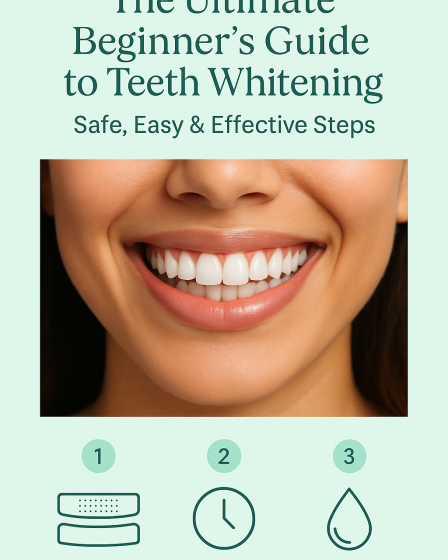
Step-by-Step Teeth Whitening Guide for Beginners

Step-by-Step Teeth Whitening Guide for Beginners: Teeth Whitening Tips

A brighter smile can feel like turning the lights on in your whole face, and it’s completely normal to worry about doing it wrong. Research shows that many people hesitate to start teeth whitening because they’re scared of sensitivity or damaging their enamel. At SmilePerfectors, we want you to feel confident, not confused, so this beginner-friendly guide will walk you through safe, dentist-approved teeth whitening tips you can actually follow at home.

You don’t need expensive gadgets or painful treatments—you just need a safe, simple plan. Studies indicate that over-the-counter whitening can be both effective and gentle when used correctly. In this guide, you’ll learn how to:

  • Check if whitening is right for your teeth
  • Choose dentist-approved products
  • Follow a daily routine that protects your enamel

Action step: As you read, jot down which method sounds realistic for your lifestyle—this will be your personal whitening plan.

Is Teeth Whitening Right for You? (Teeth Whitening Tips for Getting Started)

Feeling unsure if whitening is “safe for your teeth” is very common. Dentists recommend starting with a quick self-check before you buy any product, so you don’t waste money or irritate your gums.

Ask yourself:

  • Do you have cavities, cracks, or gum disease?
  • Do you have crowns, veneers, or fillings on your front teeth?
  • Do your teeth already feel sensitive to hot or cold?

If you answered “yes” to any of these, whitening may still be possible, but you should ask a dentist first. Research shows that treating decay and gum issues before whitening greatly reduces the risk of pain and complications.

Action step: Look in a mirror under good light and make a quick checklist: cavities, gum bleeding, sensitivity, or front-tooth restorations. If you notice any of these, schedule a dental exam before starting.

Warning: Never use whitening products on broken teeth, untreated cavities, or very sensitive teeth without talking to a dentist—this can increase pain and damage.

Choosing Safe Products: Dentist-Approved Teeth Whitening Tips

It’s easy to feel overwhelmed by strips, pens, gels, and LED kits. Studies indicate that the safest and most effective whitening products usually contain hydrogen peroxide or carbamide peroxide in controlled, low-to-moderate strengths.

Dentists recommend:

  • ADA Seal of Acceptance: Look for the American Dental Association (or local dental association) seal on the package.
  • Clear ingredient list: Avoid products without peroxide percentages listed.
  • Gentle formulas if you’ve had sensitivity before.

Safer at-home options include:

  • Whitening toothpaste (mild, good for maintenance)
  • Whitening strips (popular, effective in 1–2 weeks)
  • Custom trays from your dentist (more precise, often less irritation)

Action step: Before you buy, read the label and confirm:

1) It has peroxide as the active whitening ingredient, and

2) It’s from a reputable brand or recommended by your dentist.

Warning: Avoid “DIY whitening hacks” like straight lemon juice, baking soda scrubs, or undiluted hydrogen peroxide—research shows these can wear down enamel and irritate gums.

How to Use Whitening Safely: Daily Routine Teeth Whitening Tips

You don’t have to whiten every day forever. Studies indicate that most people see visible change within 7–14 days when using strips or trays as directed.

A simple, safe routine might look like this:

  • Morning
  • Brush gently with a fluoride toothpaste.
  • Rinse with water before coffee or tea to reduce staining.
  • Evening (whitening time)
  • Floss to remove plaque between teeth.
  • Apply whitening strips or trays exactly as the package or your dentist instructs.
  • After removing, rinse with water and avoid dark drinks for at least 30–60 minutes.

Action step: Set a 10–14 day “whitening window” on your calendar and commit to following the instructions exactly—no extra time, no double applications.

Warning: Do not leave whitening products on longer than recommended—longer does not mean whiter, and can increase sensitivity and gum irritation.

Protecting Enamel and Preventing Sensitivity

Worried about sensitivity or “weakening” your teeth? Research shows that when used properly, dentist-approved whitening does not permanently damage enamel. However, temporary sensitivity is common and usually short-lived.

Dentists recommend:

  • Using a sensitivity or fluoride toothpaste before and during whitening.
  • Taking a 1–2 day break if your teeth start to feel sore.
  • Avoiding very hot or very cold foods right after whitening sessions.

You can also:

  • Drink coffee, tea, or red wine through a straw to minimize contact.
  • Rinse with water after stain-causing foods (berries, sauces, dark drinks).

Action step: Switch to a sensitivity toothpaste at least 1 week before starting whitening, and keep using it throughout your treatment.

Warning: If your teeth feel sharp, painfully sensitive, or your gums burn, stop whitening and contact a dentist—these are signs your mouth needs a professional check, not more gel.

Why a Dental Checkup Should Come First

It might feel tempting to skip the dentist and jump straight into whitening, but dentists strongly recommend a professional exam and cleaning first. Studies indicate that plaque and tartar can block whitening agents, leading to uneven results.

At a dental visit, your provider can:

  • Check for decay, cracks, and gum problems
  • Clean away tartar and surface stains
  • Recommend the best strength and type of whitening for you

This step not only protects your teeth but also helps you get more even and longer-lasting results from any whitening you do at home.

Action step: Before starting any whitening routine, book a cleaning and exam with SmilePerfectors or your local dentist and mention you’re interested in teeth whitening.

FAQs: Teeth Whitening Tips for Beginners

Q: How long do teeth whitening results last?

Studies indicate that results can last from 6 months up to 2–3 years, depending on your diet and habits. Limiting dark drinks and smoking, and using a whitening toothpaste, helps maintain your results.

Q: Are at-home whitening kits as good as in-office treatments?

Dentists recommend in-office treatments for faster, stronger results, but research shows many at-home kits can noticeably whiten teeth over a few weeks. The key is using a trusted brand and following directions exactly.

Q: Do teeth whitening tips apply if I have fillings or crowns?

Fillings, crowns, and veneers do not whiten like natural teeth. You may still whiten your natural teeth, but you might need to replace front restorations later to match your new shade.

Q: Is teeth whitening safe for sensitive teeth?

Yes, but you need to be cautious. Dentists recommend low-strength products, shorter wear times, and using a sensitivity toothpaste before and during treatment.

If you’d like personalized, dentist-guided teeth whitening tips and product recommendations, scheduling a consultation with SmilePerfectors is the best first step. A short visit can help you avoid mistakes, protect your enamel, and create a whitening plan that actually fits your smile and your lifestyle.

Key Takeaways

Step-by-Step Teeth Whitening Guide for Beginners | SmilePerfectors

If you’re new to teeth whitening, it’s normal to feel unsure or even a little nervous. Research shows that a brighter smile can boost confidence, but dentists also warn that doing it the wrong way can lead to sensitivity or gum irritation. This step-by-step teeth whitening guide for beginners from SmilePerfectors is designed to keep your smile whiter and your teeth safe.

Step 1: Get a Checkup First – The Safest Start to Teeth Whitening

Before you start any whitening routine, dentists recommend a full dental exam and professional cleaning. Studies indicate that whitening works best on clean teeth and that untreated cavities or gum disease can make whitening painful.

Action steps:

  • Schedule a dental exam and cleaning before whitening.
  • Ask your dentist if you have:
  • Cavities
  • Gum disease
  • Exposed roots or cracks
  • Get personalized advice on which whitening options are safe for your mouth.

Important:

Always rule out dental problems before whitening. Whitening over decay or infection can make things worse and more painful.

Step 2: Choose Dentist-Approved Teeth Whitening Products

Feeling overwhelmed by all the over-the-counter options is very common. Research shows that products with carbamide or hydrogen peroxide are effective, but only when used in the right concentration and for the right amount of time.

Dentists recommend choosing products that are:

  • ADA-accepted or recommended by your dentist
  • Clearly labeled with peroxide strength (e.g., 6–10% for beginners at home)
  • Sold by reputable brands, not unknown or unregulated websites

Action steps:

  • Look for “dentist-approved” or “ADA Seal” on the packaging.
  • Start with a lower-strength gel or strip if you’ve never whitened before.
  • Follow the manufacturer’s wear-time and frequency instructions exactly—do not extend sessions or double up applications.

Warning:

Do not use DIY mixtures like straight hydrogen peroxide or baking soda scrubs on your teeth. Studies indicate these can damage enamel and irritate your gums.

Step 3: Prepare Properly Before Each Whitening Session

Rushing into a whitening session can lead to uneven results or sore gums. Research shows that plaque and food debris can block whitening ingredients from reaching the enamel surface.

Action steps before each session:

  • Gently brush and floss 30 minutes before whitening:
  • Use a soft-bristled toothbrush
  • Avoid aggressive scrubbing to protect your gums
  • Dry your teeth slightly with a tissue so strips or trays adhere better.
  • Apply the whitening gel or strips carefully:
  • Keep the gel on the tooth surface only
  • Wipe away any gel that touches the gums with a cotton swab or tissue

Warning:

Avoid overfilling trays or smearing extra gel “for better results.” Excess gel on the gums increases the risk of chemical burns and irritation.

Step 4: Manage Sensitivity and Know When to Stop

If you’re worried about sensitivity, you’re not alone—studies indicate that tooth sensitivity is one of the most common side effects of whitening. The good news is that it’s usually temporary and manageable with the right steps.

Dentists recommend:

  • Using a desensitizing toothpaste (with potassium nitrate) twice daily starting 1 week before whitening.
  • Rinsing with a fluoride mouthwash to strengthen enamel.
  • Choosing:
  • Shorter sessions (e.g., 15–30 minutes instead of 1 hour)
  • Lower-strength gels if your teeth are already sensitive

Action steps if sensitivity appears:

  • Skip whitening for 1–2 days to let your teeth recover.
  • Switch to a lower-concentration product or shorter wear time.
  • Use a sensitivity toothpaste and fluoride rinse daily.

Critical warning:

Stop whitening and contact your dentist immediately if you feel sharp, lingering pain, burning gums, or see white patches on soft tissues. These can be signs of overuse or chemical irritation.

Step 5: Maintain Your Results Safely and Realistically

It’s frustrating to whiten your teeth and watch stains come back. Studies indicate that coffee, tea, red wine, and tobacco are major causes of new discoloration, even after professional whitening.

To make your results last longer, dentists recommend simple, daily habits:

Limit staining foods and drinks such as:

  • Coffee and black tea
  • Red wine
  • Dark sodas
  • Soy sauce, tomato sauces, and berries

Action steps to protect your new shade:

  • Rinse with water after consuming staining foods and drinks.
  • Use a whitening toothpaste (with gentle polishing agents, not harsh abrasives) 1–2 times per day.
  • Drink through a straw when possible to reduce contact with front teeth.
  • Schedule periodic touch-ups only as often as your dentist recommends (often every few months, not every week).
  • Keep up with regular dental checkups and cleanings every 6 months.

Warning:

Avoid constant, back-to-back whitening cycles. Over-whitening can thin enamel and increase long-term sensitivity. Your teeth should never feel sore all the time.

FAQ: Teeth Whitening Guide for Beginners

1. How often can beginners safely do teeth whitening?

Studies indicate that most at-home whitening kits are designed for once daily use over 1–2 weeks. Dentists recommend following the product directions strictly and limiting full whitening cycles to a few times per year, depending on your staining and sensitivity.

2. Is teeth whitening safe for everyone?

Research shows that whitening is generally safe for healthy adult teeth and gums when supervised or approved by a dentist. It is not recommended for:

  • Pregnant or breastfeeding individuals (out of caution)
  • People with untreated cavities or gum disease
  • Children and most teenagers without a dentist’s approval

3. Will whitening damage my enamel?

Studies indicate that dentist-approved whitening products do not permanently damage enamel when used correctly and not overused. Problems arise when people use high-strength products too often, leave them on too long, or use unregulated kits.

4. Why are my crowns or fillings not getting whiter?

Whitening gels work on natural tooth enamel, not on restorations like crowns, veneers, or composite fillings. If the color difference bothers you, dentists recommend whitening first, then replacing old, darker restorations to match your new shade.

5. What’s the best option for a total beginner: in-office or at-home?

For someone completely new, dentists often recommend an exam first, then either:

  • In-office whitening for faster, controlled results, or
  • Custom trays with at-home gel for more gradual, flexible whitening

A consultation at SmilePerfectors can help you decide based on your budget, sensitivity, and timeline.

If you’d like personalized guidance beyond this teeth whitening guide for beginners, scheduling a visit with SmilePerfectors is the safest way to get a brighter smile that still keeps your teeth and gums healthy.

Understanding How Teeth Whitening Works

Understanding How Teeth Whitening Works – Teeth Whitening in Tysons Corner

If you’re curious or even a bit nervous about teeth whitening in Tysons Corner, you’re not alone. Many patients tell SmilePerfectors they worry about damaging their enamel or making their teeth too sensitive. Research shows that when whitening is done correctly, it can safely brighten your smile by targeting stains inside the tooth—without “stripping” the enamel.

How Teeth Whitening in Tysons Corner Affects Enamel

Your teeth have two important layers:

  • Enamel (the hard outer shell)
  • Dentin (the layer underneath that gives teeth much of their color)

Studies indicate that stains can build up on the surface and also work their way into both enamel and dentin over time. Dark pigments from coffee, tea, red wine, and tobacco slowly settle into the tiny openings in your enamel.

Key takeaway: Stains aren’t just “on” your teeth—they can be trapped *inside* the enamel and dentin, which is why simple brushing often isn’t enough.

The Science Behind Teeth Whitening in Tysons Corner

Enamel is a mineral-rich structure with microscopic pores. Research shows that dark stain molecules from everyday foods and drinks slip into these pores and stay there, gradually dulling your smile.

Professional teeth whitening in Tysons Corner uses hydrogen peroxide or carbamide peroxide. These bleaching agents move into the enamel, react with the stain molecules, and break them into smaller, lighter-colored pieces.

  • You’re not sanding or scraping off enamel.
  • You’re chemically lightening the stain molecules locked in the tooth.

Key takeaway: Whitening works by changing the color of stain molecules inside the tooth, not by thinning or shaving down your enamel.

Is Teeth Whitening Safe for Your Enamel?

It’s completely normal to wonder, “Will teeth whitening in Tysons Corner damage my teeth?” Multiple studies show that dentist-supervised whitening is safe for enamel when used as directed. Dentists recommend using controlled concentrations of whitening gels and limiting how often treatments are done.

However, bold warning: Overusing whitening products or using high-strength gels without professional guidance can increase tooth sensitivity and irritate your gums. Always follow your dentist’s instructions and avoid DIY “hacks” like straight hydrogen peroxide or abrasive pastes.

Key takeaway: Whitening is safe for most people when planned and monitored by a dentist who can adjust strength, timing, and technique for your specific teeth.

How to Get the Best Results from Teeth Whitening in Tysons Corner

To make whitening more effective and comfortable, dentists recommend a few simple steps:

  • Have a dental exam first to check for cavities, gum issues, or enamel cracks.
  • Get a professional cleaning so surface plaque and tartar don’t block the whitening gel.
  • Follow the exact wear times your dentist gives you for in-office or take-home trays.

Key takeaway: Prepare your mouth (exam + cleaning) and follow your custom whitening plan step-by-step for the safest and brightest results.

FAQs About Teeth Whitening in Tysons Corner

Q: Will teeth whitening in Tysons Corner weaken my enamel?

Studies indicate that professionally supervised whitening does not significantly weaken healthy enamel. The whitening gels change stain molecules but leave the basic enamel structure intact when used properly.

Q: How long do results from teeth whitening in Tysons Corner last?

With good home care and moderating dark drinks like coffee and red wine, many patients enjoy results for 6–12 months. Touch-up treatments, planned with your dentist, can help maintain your preferred shade.

Q: Is sensitivity normal after teeth whitening in Tysons Corner?

Mild, temporary sensitivity is common and usually fades within a few days. Dentists often recommend desensitizing toothpaste and spacing out treatments to keep you comfortable.

Q: Can I use drugstore whitening products instead of professional teeth whitening in Tysons Corner?

Over-the-counter products can help with light surface staining but are often weaker and less targeted. Research shows that custom-fitted trays and in-office treatments provide more predictable, longer-lasting results.

If you’re considering teeth whitening in Tysons Corner, the most practical step is to schedule a consultation. You’ll get a shade assessment, an enamel check, and a personalized plan that brightens your smile safely and effectively.

Checking If At-Home Whitening Is Right for You

At-Home Teeth Whitening in Tysons Corner: Is It Right for You?

If you’re curious about at-home teeth whitening in Tysons Corner, you’re not alone. Many people want a brighter smile but feel nervous about sensitivity, cost, or damaging their enamel. Research shows that when whitening is done correctly, it can be safe and effective—but it’s not a one-size-fits-all solution.

At-home teeth whitening can be safe and effective—but only when matched carefully to your teeth and needs

At SmilePerfectors, dentists recommend looking at your mouth, lifestyle, and budget before committing to any whitening system. You’re not just choosing a product; you’re choosing a routine you’ll actually stick with.

Are You a Good Candidate for At-Home Teeth Whitening in Tysons Corner?

It’s normal to worry about tooth sensitivity or how whitening might affect existing dental work. Studies indicate that certain people are more likely to have problems with over-the-counter products, especially when used without guidance.

Ask yourself:

Do you have sensitive teeth or gum recession?

Research shows that whitening gels can temporarily increase sensitivity, especially if your gums are already exposed.

Do you have fillings, crowns, or veneers on your front teeth?

Dentists recommend extra caution here because whitening doesn’t change the color of dental restorations, which can leave your smile looking uneven.

Are you prone to grinding or clenching?

This can already stress your enamel, and strong whitening agents may add to that discomfort.

Action step:

If you answered “yes” to any of these, schedule a professional consultation at SmilePerfectors before trying at-home whitening. A dentist can recommend safer strengths, custom trays, or alternative treatments that match your situation.

Important:

Always stop using any whitening product and call your dentist if you feel sharp pain, burning, or lingering sensitivity.

Cost and Value of At-Home Teeth Whitening in Tysons Corner

Thinking about cost is completely understandable—whitening can feel like a luxury. Research shows professional treatments usually give faster, more predictable results, but at-home options can still work well when used correctly.

Consider:

Upfront cost vs. long-term value

At-home kits usually cost less at first, but studies indicate that low-strength or ineffective products can lead to repeat purchases that add up.

Strength and quality of ingredients

Dentists recommend choosing products with ADA-accepted or dentist-approved whitening agents instead of random online brands.

How long results last

Professional systems often include maintenance plans that help your results last longer, which may save money over time.

Action step:

Compare the total cost over 6–12 months, not just the price of one box. If you’re unsure which option is more cost-effective for you, ask your SmilePerfectors dentist to review your choices and expectations.

Warning:

Avoid ultra-cheap, unregulated whitening products or “DIY hacks” (like straight hydrogen peroxide or lemon and baking soda), as these can seriously damage your enamel and gums.

Can You Commit to the Routine?

Even the best at-home teeth whitening in Tysons Corner won’t work if it sits in your bathroom drawer. Research shows that consistent use as directed is what truly drives results.

Think about your daily habits:

Can you follow directions exactly?

Dentists recommend sticking to the exact wear time and frequency listed. Using more gel or wearing trays longer does *not* make results faster—it just raises your risk of irritation.

Do you have 15–60 minutes per day to dedicate?

Whitening systems vary. Some require daily use for 1–2 weeks; others are less frequent but longer sessions.

Can you avoid staining foods and drinks right after whitening?

Coffee, tea, red wine, and smoking can quickly undo your hard work, especially in the first 24–48 hours after treatment.

Action step:

Before buying a kit, look at the daily time requirement and honestly decide if it fits your routine. If your schedule is tight, ask your dentist about options that require fewer sessions or in-office whitening with take-home touch-up trays.

Safety Tips for At-Home Teeth Whitening in Tysons Corner

If you and your dentist decide that at-home whitening is right for you, a few safety steps can make a big difference. Studies indicate that most side effects—like sensitivity or gum irritation—come from overuse or improper application.

Key safety guidelines:

  • Use only dentist-approved products with clear ingredient lists and directions.
  • Wipe away excess gel that squeezes out of trays to protect your gums.
  • Skip whitening on days with strong sensitivity, and switch to a sensitivity toothpaste with fluoride if needed.
  • Never use whitening strips or trays on broken, decayed, or loose teeth.

Action step:

Bring any whitening product you’re considering to your next appointment at SmilePerfectors. Ask, “Is this safe for my teeth and gums?” and get personalized instructions for how often and how long to use it.

Safety reminder:

More frequent or stronger whitening isn’t better—overdoing it can wear down enamel and cause lasting sensitivity. Always follow your dentist’s guidance over package claims.

FAQ: At-Home Teeth Whitening in Tysons Corner

1. Is at-home teeth whitening in Tysons Corner as effective as in-office whitening?

Studies indicate that dentist-supervised at-home whitening with custom trays can achieve results similar to in-office whitening, just more gradually. Over-the-counter options can help, but they’re usually weaker and less precise.

2. How long will results from at-home whitening last?

Dentists recommend maintenance every few months, depending on your habits. If you drink a lot of coffee, tea, or red wine, you may need more frequent touch-ups to keep your smile bright.

3. Will at-home whitening damage my enamel?

Research shows that when used as directed and under professional guidance, peroxide-based whitening does not permanently damage enamel. Problems usually arise from overuse, using unregulated products, or ignoring sensitivity.

4. Can I use at-home whitening if I’ve crowns or veneers?

Whitening gels do not change the color of crowns, veneers, or fillings. Your SmilePerfectors dentist may suggest whitening your natural teeth first, then matching any new restorations to your brighter shade.

5. What should I do if my teeth become very sensitive while whitening?

Stop whitening immediately and contact your dentist. In many cases, dentists recommend shorter sessions, lower-strength gel, or spacing out treatments—and sensitivity usually improves with these adjustments.

Bottom line:

At-home teeth whitening in Tysons Corner can be safe, effective, and budget-friendly—if it’s the right fit for your teeth and you use it correctly. The most important step is a quick professional evaluation at SmilePerfectors so you can choose a whitening plan that protects your enamel while giving you the bright, confident smile you want.

Gathering Safe Whitening Tools and Products

At-Home Teeth Whitening in Tysons Corner: Safe Tools That Actually Work

If you’re exploring at-home teeth whitening in Tysons Corner, it’s normal to feel overwhelmed by strips, pens, lights, and “natural” hacks on social media. Research shows that using the right products—and using them correctly—makes a big difference in both safety and results.

At SmilePerfectors, we want you to feel confident, not confused. Think of this as building a safe whitening “kit” that protects your enamel, gums, and long-term comfort, step by step.

Start With a Professional Check for At-Home Teeth Whitening in Tysons Corner

It’s common to wonder, “Can’t I just pick something off the shelf?” Studies indicate that a quick dental exam before whitening can catch issues like cavities, gum disease, or existing sensitivity that might get worse with bleaching.

Dentists recommend a short consultation—virtual or in-office—before you invest in products. This helps you avoid wasting money on tools that aren’t right for your teeth or shade goals.

Action step:

Schedule a whitening evaluation at SmilePerfectors in Tysons Corner before starting any at-home teeth whitening routine.

Safety note:

Never start whitening if you have untreated cavities, gum infection, or tooth pain—bleaching agents can make these problems significantly worse.

Key Whitening Agent for At-Home Teeth Whitening in Tysons Corner

You’re not just buying “whitening stuff”—you’re choosing a medicated gel that changes the color of your teeth. Research shows that dentist-approved products with controlled levels of hydrogen peroxide or carbamide peroxide are safer and more effective than random online kits.

Look for:

  • Dentist-approved strips, pens, or gels
  • Clear peroxide strength listed (e.g., 6–10% hydrogen peroxide for over-the-counter use)
  • Clear instructions for how long and how often to use
  • ADA or dentist-recommended brands

Studies indicate that products with professional backing are less likely to damage enamel when used correctly.

Action step:

Choose a whitening product only if it lists peroxide concentration, wear time, and maximum days of use on the label.

Safety note:

Do not leave whitening products on longer than directed—overuse can lead to enamel weakening and sharp, “zinging” sensitivity.

Application Tools: Trays and More for Even, Safe Results

A lot of irritation comes not from the gel itself, but from how it’s applied. Dentists recommend trays or tools that keep gel on your teeth and off your gums.

Better options include:

  • Custom or well-fitting trays
  • Custom trays from your dentist in Tysons Corner give the best seal and least leakage
  • Studies indicate custom trays improve whitening results while reducing gum irritation
  • Targeted pens or brushes
  • Helpful for touching up specific spots without flooding your gums
  • Minimal use of “one-size-fits-all” trays
  • These can work, but only if they’re snug and not overflowing with gel

Action step:

If possible, ask SmilePerfectors about custom whitening trays designed specifically for your bite and tooth shape.

Safety note:

If gel repeatedly gets on your gums or lips and causes burning or white spots, stop using the product and contact a dentist.

Support Products to Keep Teeth Comfortable

Many people worry that whitening will hurt their teeth. Research shows that using the right support products can greatly reduce sensitivity and protect enamel during at-home teeth whitening in Tysons Corner.

Dentists recommend pairing whitening with:

  • Sensitivity toothpaste
  • Look for potassium nitrate or stannous fluoride to calm nerve sensitivity
  • Fluoride mouth rinse
  • Helps strengthen enamel during and after your whitening series
  • Soft-bristle toothbrush
  • Gentle brushing prevents additional wear on enamel that’s temporarily dehydrated from whitening

Action step:

Start using a sensitivity toothpaste and fluoride rinse at least 1–2 weeks before beginning whitening and continue throughout your treatment.

Safety note:

If sensitivity becomes sharp, lingers after eating or drinking, or wakes you up at night, pause whitening and see your dentist.

“Natural” Whitening: What’s Safe and What to Avoid

It’s understandable to be drawn to “natural” whitening options, especially if you’re nervous about chemicals. However, studies indicate that many DIY methods online are either ineffective or damaging to enamel and gums.

Safer, evidence-based options include:

  • Mild baking soda toothpaste
  • Research shows low-abrasive baking soda formulas can gently help with surface stain removal
  • Lifestyle changes
  • Rinsing with water after coffee, tea, red wine, or smoking
  • Using a straw for dark drinks to limit contact with front teeth

Avoid:

  • Lemon juice, vinegar, or other acids
  • Straight charcoal powder or highly abrasive pastes
  • These can erode enamel and make teeth more yellow over time as dentin shows through

Action step:

Use only ADA-accepted or dentist-recommended “whitening” toothpastes and skip any home recipe that uses strong acids, coarse powders, or prolonged scrubbing.

Safety note:

Never scrub teeth with acidic or gritty DIY mixtures—once enamel is worn away, it can’t grow back.

Quick Checklist: Building a Safe At-Home Whitening System

Before you start at-home teeth whitening in Tysons Corner, make sure you have:

  • ✅ Professional consultation (to rule out cavities, gum disease, or major sensitivity)
  • ✅ Dentist-approved whitening agent with clear peroxide level and wear time
  • ✅ Safe application method (custom or well-fitting trays, or precise pens)
  • ✅ Support products (sensitivity toothpaste, fluoride rinse, soft brush)
  • ✅ Realistic plan (2–4 weeks of gradual whitening, not “overnight” results)

Action step:

Lay out all your whitening and support products and confirm they each have clear instructions and, ideally, dentist or ADA recommendations before your first use.

FAQs About At-Home Teeth Whitening in Tysons Corner

1. Is at-home teeth whitening in Tysons Corner as safe as in-office whitening?

Research shows that both can be safe when supervised by a dentist and used as directed. In-office whitening is faster and more controlled, while at-home whitening is slower but convenient. The key is using dentist-approved products and not overusing them.

2. How long do results from at-home teeth whitening in Tysons Corner last?

Most people see results last 6–12 months, depending on diet and habits. Coffee, tea, red wine, and smoking can shorten that time. Touch-up whitening with dentist guidance can help you maintain your shade safely.

3. Can I use at-home whitening if I’ve fillings, crowns, or veneers?

Studies indicate whitening gels do not change the color of dental restorations. This can create uneven shades. A dentist at SmilePerfectors can help plan whitening and, if needed, adjust or replace visible restorations afterward.

4. What should I do if my teeth become very sensitive while whitening?

Stop whitening for a few days and use a sensitivity toothpaste and fluoride rinse. If pain is strong, sudden, or doesn’t improve, contact your dentist. Do not keep whitening through significant pain, as this can worsen the problem.

For personalized guidance on at-home teeth whitening in Tysons Corner, you can schedule a consultation with SmilePerfectors. A short visit now can save you discomfort—and help you get a brighter smile safely.

Preparing Your Teeth Before You Start

Teeth Whitening Preparation: How to Prep Your Smile for Safe, Effective Results

Feeling nervous about starting a whitening routine is completely normal. Research shows that good teeth whitening preparation not only improves results but also reduces sensitivity and protects your enamel. At SmilePerfectors, we focus on simple steps you can do at home to make your whitening safer and more comfortable.

1. Quick Mouth Check Before Teeth Whitening Preparation

Before any gel, strip, or tray touches your teeth, give your mouth a quick check. Studies indicate that whitening on unhealthy teeth or gums can increase pain and sensitivity.

Look closely for:

  • Red, swollen, or bleeding gums
  • Cracked teeth, loose fillings, or sharp edges
  • Areas that already feel sensitive or “zingy”

If you notice any of these:

  • Stop and schedule a dental exam before whitening.
  • Mention any sensitivity, pain, or recent dental work to your dentist.
  • Ask if your teeth and gums are ready for whitening or if treatment should wait.

⚠ WARNING: Never use whitening products over cavities, broken teeth, or infected gums. This can worsen the problem and make treatment more painful.

Action takeaway:

If anything looks or feels “off,” pause whitening and see your dentist first. Safe teeth whitening preparation starts with a healthy mouth.

2. Clean with Intention for Better Teeth Whitening Preparation

Dentists recommend starting whitening on clean, plaque‑free teeth. Research shows that plaque and tartar can block whitening agents, leading to patchy or uneven results.

Before each whitening session:

  • Brush gently with a soft‑bristled toothbrush for 2 minutes.
  • Use a non‑abrasive fluoride toothpaste (avoid heavy “whitening” pastes that can be gritty).
  • Floss between every tooth to remove plaque where stains like to hide.
  • Rinse with an alcohol‑free mouthwash to freshen and clear remaining debris.

This routine helps the whitening gel or strip contact your enamel evenly, which means smoother, more predictable whitening.

Action takeaway:

Always brush, floss, and rinse right before whitening, using gentle products so you clean your teeth without scratching or irritating them.

3. Extra Comfort Tips to Reduce Sensitivity

If you worry about sensitivity, you’re not alone. Studies indicate that many people feel mild sensitivity during whitening—but preparation can make a big difference.

To keep sessions more comfortable:

  • Use a sensitivity (desensitizing) toothpaste with potassium nitrate for 1–2 weeks before whitening.
  • Avoid very hot or cold foods right before and after whitening.
  • Follow the exact wear time on your whitening product; don’t leave strips or trays on longer “for extra whitening.”

⚠ WARNING: Overusing whitening products or exceeding the recommended time can damage enamel and increase long‑term sensitivity.

Action takeaway:

If your teeth tend to be sensitive, start with a desensitizing toothpaste and stick strictly to product instructions during your teeth whitening preparation.

FAQ: Teeth Whitening Preparation

Q1: Do I really need a dental check‑up before whitening?

Research shows whitening is safest on teeth that are free of decay and gum disease. A quick exam helps your dentist confirm that teeth whitening preparation won’t irritate hidden problems like cavities or cracked fillings.

Q2: Can I whiten my teeth if I’ve fillings or crowns?

Yes, but fillings, crowns, and veneers don’t whiten like natural teeth. Dentists recommend planning whitening first, then matching any new dental work to your lighter shade for a more even smile.

Q3: How soon after cleaning can I start whitening?

Many dentists recommend whitening within a few days of a professional cleaning, when your teeth are free of tartar and heavy plaque. This timing supports more effective teeth whitening preparation and more even results.

If you’re unsure whether your mouth is ready, the team at SmilePerfectors can help you create a safe, personalized whitening plan.

Step-by-Step Daily Whitening Routine

Daily Teeth Whitening Routine at Home

If you’re nervous about sensitivity or damaging your enamel, you’re not alone. At SmilePerfectors, we see many patients who want a brighter smile but also want to stay safe. Research shows that a consistent, gentle daily teeth whitening routine at home works better (and is safer) than aggressive, one-time overuse.

Below is a simple routine you can repeat every day without stressing your teeth or your schedule.

Morning Cleanse: The Foundation of Daily Teeth Whitening at Home

Starting your day with clean teeth helps keep new stains from “sticking.” Studies indicate that plaque and surface buildup can trap pigments from coffee, tea, and wine, making teeth look darker over time.

What to do each morning:

  • Brush for 2 full minutes with a soft-bristled toothbrush and a gentle whitening toothpaste.
  • Use small, circular motions, reaching the front, back, and chewing surfaces of every tooth.
  • Focus on the gumline, where stains and plaque often collect first.

Why it matters:

Dentists recommend gentle whitening toothpastes that use low-abrasive polishing agents, not harsh scrubbing, to protect enamel. Your takeaway here: clean first, whiten second—never skip basic brushing.

Targeted Whitening: Safe Use of Strips, Gels, or Trays

It’s easy to think “longer is better,” especially with whitening strips or gels. However, research shows that overusing whitening products can increase sensitivity and gum irritation without giving better results.

Daily whitening steps:

  • Choose one approved product: whitening strips, custom trays, or a dentist-recommended gel.
  • Follow the manufacturer’s instructions exactly for time and frequency.
  • Wipe away excess gel from the gums with a cotton swab or clean tissue.

Important safety note:

Do not leave whitening products on longer than directed. Overuse can lead to enamel damage, irritation, and long-term sensitivity. Your concrete action: set a timer every time you whiten so you’re not guessing.

Rinse and Protect: Strengthen While You Whiten

Many people worry that whitening will “weaken” their teeth. Research shows that while whitening can cause temporary sensitivity, fluoride helps strengthen enamel and support long-term tooth health.

After whitening:

  • Rinse with plain water to remove leftover gel or product.
  • Use a fluoride mouthwash once a day (ideally after whitening, or at another time if your dentist prefers).
  • Avoid eating or drinking anything highly colored (coffee, red wine, berries) for at least 30–60 minutes after whitening.

Why it matters:

Studies indicate that fluoride helps remineralize enamel, making it more resistant to wear and decay. Your key action: add a daily fluoride rinse to protect your teeth as you brighten them.

Track Progress with Simple Photo Tips

It’s normal to wonder, “Is this even working?” Instead of checking the mirror every hour, use simple, consistent photos to track your progress calmly and accurately.

Weekly progress check:

  • Take a photo once a week, not every day.
  • Stand in the same spot, with the same lighting (preferably natural light), and the same angle.
  • Use a plain background and a neutral expression so you can focus on your teeth, not your pose.

Why it helps:

Dentists recommend documenting whitening progress so you can spot changes without overreacting to day-to-day variations. Your action step: set a weekly reminder on your phone for a quick “smile photo” check-in.

Daily Teeth Whitening at Home: When to Call a Dentist

Even with a safe routine, some people may experience extra sensitivity or uneven results. Studies indicate that professional guidance reduces the risk of complications and helps tailor whitening to your unique teeth and gums.

Contact a dentist if:

  • You feel sharp, lingering pain or severe sensitivity.
  • Your gums become red, swollen, or bleed after whitening.
  • You notice white spots, uneven color, or patches that don’t improve.
  • You have crowns, veneers, or fillings on front teeth and want a uniform shade.

Your takeaway: if anything feels “off,” pause whitening and check with a dentist at SmilePerfectors or your local provider before continuing.

FAQ: Daily Teeth Whitening Routine at Home

Q1: Can I do a daily teeth whitening routine at home if I’ve sensitive teeth?

Research shows that people with sensitivity can still whiten safely by using low-concentration products, whitening less frequently, and adding fluoride or sensitivity toothpaste (with ingredients like potassium nitrate). Always discuss your plan with a dentist before starting.

Q2: How long does a daily teeth whitening routine at home usually take to show results?

Most patients start to see visible changes in 7–14 days, according to clinical studies on over-the-counter whitening products. Your exact timeline depends on your starting shade, diet, and how closely you follow directions.

Q3: Is a daily teeth whitening routine at home safe for enamel?

Dentists recommend sticking to ADA-accepted or dentist-approved products, following instructions exactly, and avoiding overuse. Using more gel or keeping it on longer won’t make teeth whiter, but it can increase risks.

Q4: Can I keep doing daily teeth whitening at home indefinitely?

Most people benefit from a short whitening phase (for example, 1–3 weeks) followed by maintenance (once or twice a week). Your dentist can suggest a personalized schedule based on your enamel health and how white you want your teeth to be.

If you’d like a customized daily teeth whitening routine at home, a SmilePerfectors dentist can review your teeth, recommend specific products, and create a safe plan tailored to you.

Simple Lifestyle Changes to Boost Results

Simple Lifestyle Changes to Boost Teeth Whitening Results

If you’re working hard on your smile, it can be frustrating when stains keep coming back. At SmilePerfectors, we see this all the time—your whitening is working, but everyday habits are either supporting or undoing your progress. Research shows that small, consistent lifestyle changes can significantly improve teeth whitening results and help them last longer.

Below are simple, dentist-approved adjustments you can start today.

1. Make Smart Drink Swaps for Better Teeth Whitening Results

Dark drinks are one of the biggest culprits behind yellowing teeth. Studies indicate that coffee, tea, red wine, and colored sodas can penetrate enamel over time and cause deep stains.

Action steps:

  • Limit coffee, tea, red wine, and dark sodas when possible.
  • If you do drink them:
  • Use a straw for iced drinks to reduce contact with your front teeth.
  • Drink them in one sitting, not slowly over hours, to cut down exposure time.
  • Rinse with water right away to wash away pigments.

Warning: Avoid brushing immediately after acidic drinks (like soda or wine); wait at least 30 minutes. Brushing too soon can wear down softened enamel.

2. Choose Foods That Naturally Support a Whiter Smile

You don’t have to eat perfectly to protect your whitening, but small swaps matter. Dentists recommend crunchy fruits and vegetables because they stimulate saliva and help gently scrub the tooth surface.

Action steps:

  • Add more:
  • Apples, carrots, celery, and cucumbers as snacks.
  • Light-colored foods (chicken, rice, yogurt) in place of heavily colored sauces when you can.
  • Pair staining foods (like tomato sauce or berries) with a water rinse right after eating.

Research shows that a higher intake of crunchy, fibrous foods can help reduce plaque buildup, which keeps your smile looking brighter between whitening sessions.

3. Strengthen Your Daily Oral Hygiene Routine

Even professional whitening won’t last if plaque and stain-causing particles sit on your teeth all day. Studies show that consistent brushing and flossing are key to maintaining teeth whitening results over the long term.

Action steps:

  • Brush 2x daily with a soft-bristled toothbrush and a whitening-friendly fluoride toothpaste.
  • Floss once a day to clean between teeth where stains and plaque easily collect.
  • Brush or at least rinse after staining foods and drinks whenever possible.

Warning: Do not brush aggressively or more than 3x daily—overbrushing can wear enamel and cause sensitivity. Gentle, small circular motions are safest.

4. Reduce Smoking and Vaping for Longer-Lasting Whitening

If you smoke or vape, you’re not alone—and you’re not “failing” your whitening. But research clearly shows that tobacco and certain vaping products cause stubborn, deep stains that are difficult to remove, even with professional treatment.

Action steps:

  • If quitting feels overwhelming, start with:
  • Cutting down the number of cigarettes or vaping sessions per day.
  • Avoiding smoke or vapor right after whitening treatments.
  • Talk with your dentist or doctor about quit-support tools (nicotine replacement, counseling, or medications).

Warning: Nicotine and tar do not just discolor teeth; they also raise your risk of gum disease and oral cancer. Always discuss tobacco use honestly with your dentist so they can monitor your oral health.

5. Don’t Skip the Simple Rinse

It sounds almost too easy, but dentists strongly recommend water rinsing as a daily tool for protecting your whitening. A quick rinse helps remove pigments and food debris before they have time to stick.

Action steps:

  • After meals, snacks, coffee, tea, or wine, swish with plain water for 20–30 seconds.
  • Keep a reusable water bottle with you and use it after any dark-colored food or drink.
  • If water isn’t available, even chewing sugar-free gum can stimulate saliva and help wash away stain-causing particles.

Quick Habit Guide for Better Whitening Results

Habit Area What To Change Why It Helps
Drinks Less coffee/tea; use a straw Reduces surface and deep stains
Snacks More apples, carrots, celery Gentle, natural cleansing
Smoking/Vaping Cut back or quit Prevents stubborn nicotine stains
Brushing Brush 2x daily with gentle technique Maintains brightness and health
Rinsing Water rinse after meals/drinks Washes away pigments and acids

FAQs About Lifestyle Changes and Teeth Whitening Results

How long will my teeth whitening results last?

Dentists recommend thinking of whitening as something you maintain, not a one-time fix. With good habits—limited dark drinks, strong oral hygiene, and regular checkups—results can often last 6–12 months or longer, depending on your lifestyle.

Do I really have to give up coffee to keep my teeth white?

No, you don’t have to be perfect. Research shows that how often and how long your teeth are exposed matters more than occasional use. Using a straw for iced coffee, drinking it in one sitting, and rinsing with water right after can significantly reduce staining.

Are whitening toothpastes safe to use every day?

Most reputable whitening toothpastes are safe for daily use when used as directed. However, avoid highly abrasive products or DIY scrubs (like baking soda and lemon), as they can damage enamel. If you notice sensitivity, switch to a gentler formula and talk with your SmilePerfectors dentist.

If you feel like your whitening “isn’t working,” it’s often your habits—not you—that need a small tune-up. Start with one or two changes from this list, stick with them for a few weeks, and you’ll give your teeth whitening results the best chance to shine and last.

Managing Sensitivity and Common Side Effects

Managing Sensitivity and Common Side Effects of Teeth Whitening

Feeling some tenderness or “zings” of pain during teeth whitening can be worrying, but you’re not alone. Research shows that temporary tooth sensitivity is one of the most common side effects of teeth whitening, and dentists consider it normal in many cases when whitening is used correctly.

At SmilePerfectors, our priority is keeping your smile brighter *and* comfortable.

Important: If pain is sharp, long‑lasting, or getting worse, stop whitening and contact a dentist right away.

Why Teeth Whitening Can Cause Sensitivity

Studies indicate that whitening gels can pass through enamel and temporarily irritate the nerve inside the tooth. That’s why you might feel sensitivity to:

  • Cold drinks
  • Air hitting your teeth
  • Brushing certain areas

Dentists recommend adjusting your whitening routine instead of pushing through the pain. The goal is steady progress, not suffering.

Takeaway: If your teeth suddenly feel more sensitive than usual during whitening, treat it as a sign to slow down and adjust—not to power through.

1. Pause or Shorten Teeth Whitening Sessions

If sensitivity suddenly spikes, research shows that simply reducing exposure time often brings fast relief.

Try this:

  • Skip a day between whitening sessions to give teeth time to recover.
  • Cut your usual time in half (for example, 30 minutes instead of 60).

Dentists recommend this step‑down approach because it lets the enamel and nerves calm down without stopping treatment completely.

Takeaway: At the first sign of increased discomfort, reduce session time or frequency instead of quitting entirely.

2. Switch to Products for Sensitive Teeth

You’re not being “too sensitive”—your teeth are just reacting to the gel. Studies indicate that fluoride and potassium nitrate can help block pain signals from the tooth nerve.

Fluoride and potassium nitrate calm tooth nerves, easing whitening‑related sensitivity without stopping your treatment

Consider:

  • Using a sensitivity toothpaste (with potassium nitrate) twice a day.
  • Applying a fluoride toothpaste or gel in your trays for 5–10 minutes (if your dentist approves).

Dentists recommend starting sensitivity toothpaste 1–2 weeks before whitening and continuing throughout treatment for best results.

Takeaway: Start or switch to a sensitivity‑focused toothpaste and use it consistently while whitening.

3. Protect Your Gums from Whitening Gel

If your gums feel like they’re burning or stinging, you’re not imagining it. Research shows that whitening gels can irritate soft tissue when they overflow onto the gums.

Practical steps:

  • Wipe away excess gel with a cotton swab or tissue right after placing trays.
  • Use a rice‑grain–sized amount of gel per tooth area to avoid overflow.
  • Make sure your trays fit snugly; loose trays let gel leak onto the gums.

Warning: If your gums turn white, become very sore, or start peeling, stop using the product and talk to a dentist.

Takeaway: Use less gel and clean up any excess immediately to protect your gums from irritation.

4. Track When and How Sensitivity Happens

You don’t have to “tough it out” in silence. Studies indicate that personal patterns—when sensitivity appears, how long it lasts, and what triggers it—help dentists customize safer whitening plans.

Keep a simple log:

  • When you whiten (time of day, duration, product used)
  • When sensitivity starts (during, right after, or next day)
  • What triggers it (cold water, brushing, biting, etc.)

Dentists recommend sharing this information at your next appointment so they can adjust gel strength, timing, or method to better suit you.

Takeaway: Write down your symptoms and timing so your dentist can fine‑tune your whitening plan and reduce side effects.

Safety Reminder

  • Never use whitening products longer or more often than the label or your dentist advises.
  • Do not use high‑strength whitening gels without professional guidance. Overuse can damage enamel and gums.

If you have existing dental issues (cavities, cracks, gum disease, or severe recession), studies show you’re more likely to experience side effects. In that case, dentists recommend a check‑up before starting any whitening treatment.

FAQs About Teeth Whitening Sensitivity

1. How long does teeth whitening sensitivity usually last?

Studies indicate that most whitening‑related sensitivity is temporary, often lasting from a few hours up to 48 hours after treatment. If it continues for several days or worsens, contact a dentist.

2. Is it safe to keep whitening if my teeth are sensitive?

Dentists recommend reducing frequency and duration first. If sensitivity is mild and improving with adjustments and sensitivity toothpaste, it may be safe to continue. If pain is strong or persistent, stop and get a professional evaluation.

3. Can teeth whitening damage my enamel?

Research shows that dentist‑supervised whitening with approved products doesn’t significantly damage enamel when used as directed. Damage risk increases with overuse, very strong DIY products, or ignoring instructions.

4. What can I do before whitening to prevent sensitivity?

Dentists recommend starting a sensitivity toothpaste 1–2 weeks before whitening, avoiding very hot or cold foods around treatment times, and getting any cavities or cracked teeth treated first.

If you’re unsure whether your side effects are normal, it’s always safer to ask. A quick visit or call to a dental professional can help you keep your teeth whitening journey both effective and comfortable.

Maintaining Your Whiter Smile Long-Term

Maintaining Your Whiter Smile Long-Term with SmilePerfectors

If you’ve recently whitened your teeth, it’s totally normal to worry about stains coming back. At SmilePerfectors, we hear this concern every day—and the good news is that with the right routine, you can maintain your whiter smile long-term without feeling like you’re constantly “on a diet” with your food and drinks.

Research shows that daily habits matter more for long-term whitening results than one-time treatments, so a simple maintenance plan goes a long way.

Daily Habits for Maintaining Your Whiter Smile Long-Term

It’s helpful to think of this phase as shifting from “treatment mode” to “maintenance mode.” You’re not starting over—you’re protecting the bright results you worked hard for.

Dentists recommend tightening your daily hygiene routine with a few key steps:

  • Brush twice a day with a non-abrasive whitening toothpaste to remove surface stains without scratching enamel.
  • Floss once a day to keep pigment and plaque from collecting between teeth, where stains build fastest.
  • Rinse with an alcohol-free mouthwash to support gum health and protect enamel from drying out.

Studies indicate that consistent brushing and flossing can significantly reduce new staining after whitening treatments.

The takeaway: set a simple routine—morning and night—and stick to it every day.

Warning: Avoid aggressive scrubbing or using highly abrasive “whitening” products too often—these can wear down enamel and actually make teeth look more yellow over time.

Foods and Drinks: Managing Stain Triggers While Maintaining Your Whiter Smile Long-Term

You don’t have to give up everything you love to keep your teeth bright. But research shows that certain dark, acidic drinks and foods can stain teeth more quickly after whitening.

Dentists recommend being smart—not extreme—about:

  • Coffee, tea, and red wine – big contributors to stains due to their dark pigments.
  • Cola, sports drinks, and dark sauces like soy sauce or balsamic vinegar.
  • Berries and colored candies that can tint teeth if they sit on enamel.

To reduce staining without feeling deprived, try these proven strategies:

  • Drink water right after coffee, tea, or wine to rinse away pigments.
  • Use a straw for iced coffee, tea, or soda so the liquid has less contact with your front teeth.
  • Limit “sip all day” habits—have your drink in one sitting instead of nursing it for hours.

Studies indicate that simply rinsing with water and reducing contact time with dark beverages can significantly minimize new stains.

The takeaway: enjoy your favorites, but pair them with water and use a straw whenever you can.

Professional Visits: The Final Step in Maintaining Your Whiter Smile Long-Term

Even with perfect home care, some staining and plaque buildup is normal. That’s why dentists recommend regular professional cleanings as a key part of maintaining your whiter smile long-term.

At SmilePerfectors, your dentist or hygienist can:

  • Remove hardened tartar and deep stains that brushing alone can’t reach.
  • Check for early signs of enamel wear or gum issues that might affect whitening results.
  • Recommend safe touch-up whitening options if you start to notice fading.

Research shows that patients who keep up with routine dental visits maintain cosmetic results—like whitening—for much longer.

The takeaway: schedule cleanings every 6 months (or as your dentist advises) and ask at each visit how your whitening maintenance is going.

FAQs About Maintaining Your Whiter Smile Long-Term

How often should I touch up my whitening to maintain my whiter smile long-term?

Dentists recommend touch-ups anywhere from every 3–12 months, depending on your diet, habits, and the whitening method used.

In-office treatments usually last longer than over-the-counter strips.

Your SmilePerfectors dentist can personalize a touch-up schedule so you don’t over-whiten or irritate your teeth.

Can I whiten again if my teeth start to look dull while maintaining my whiter smile long-term?

Yes, but only under proper guidance.

Overusing whitening products can cause sensitivity and enamel damage.

Studies indicate that supervised whitening is safer and more effective than repeated unsupervised at-home treatments.

Always check with your dentist before starting another full whitening cycle.

Will cutting out coffee completely help with maintaining my whiter smile long-term?

Giving up coffee can help, but it’s not usually necessary.

Research shows that how you drink it (with a straw, in one sitting, rinsing with water after) matters nearly as much as whether you drink it at all.

Focus on smarter habits rather than total restriction.

If you’re unsure whether your current routine is enough for maintaining your whiter smile long-term, our SmilePerfectors team can review your habits, check your enamel, and design a safe, realistic plan that fits your lifestyle.

Frequently Asked Questions

Can Teeth Whitening Damage Existing Dental Work Like Crowns, Veneers, or Fillings?

Can Teeth Whitening Damage Existing Dental Work Like Crowns, Veneers, or Fillings?

If you’re wondering, *“Can teeth whitening damage existing dental work like crowns, veneers, or fillings?”* you’re not alone. Many SmilePerfectors patients worry that whitening might harm their previous dental work or make their smile look uneven.

Research shows that professional whitening gels are formulated to be safe for enamel and common restorative materials when used as directed. However, dentists recommend planning carefully because whitening does not affect artificial materials the same way it affects natural teeth.

Key takeaway: Whitening usually won’t *damage* your crowns, veneers, or fillings—but it also won’t *lighten* them, and that can create a noticeable color mismatch.

How Teeth Whitening Affects Crowns, Veneers, and Fillings

Studies indicate that whitening agents (like carbamide or hydrogen peroxide) primarily target natural tooth enamel, not porcelain or composite.

  • Porcelain crowns & veneers: Research shows they don’t typically change color with whitening.
  • Tooth-colored (composite) fillings: These also stay the same shade after whitening.
  • Metal or porcelain-fused-to-metal crowns: The visible porcelain part usually doesn’t whiten.

Action step: Before starting any whitening, make a list of all the teeth that have crowns, veneers, or larger fillings so your dentist can plan around them.

Will Whitening Damage My Existing Dental Work?

Most studies indicate that standard professional whitening does not structurally damage porcelain crowns, veneers, or modern filling materials when used under dental supervision.

That said, dentists recommend caution:

  • Whitening gels can cause temporary surface roughness on some composite fillings.
  • Older or poorly bonded restorations may become more noticeable after whitening.
  • Gum irritation can occur if whitening trays don’t fit well around existing dental work.

Important safety note: Never use high-strength or DIY whitening products without guidance if you have extensive dental work—this increases the risk of sensitivity, irritation, or uneven results.

Action step: Ask your dentist at SmilePerfectors to check the condition and age of your restorations before whitening to avoid unwanted side effects.

The Biggest Issue: Color Mismatch After Whitening

While the question is “Can teeth whitening damage existing dental work like crowns, veneers, or fillings?”, the bigger real-world problem is color mismatch, not physical damage.

After whitening:

  • Your natural teeth get lighter.
  • Your crowns, veneers, and fillings stay the same color.
  • This can leave front teeth or visible fillings looking darker or dull compared to the newly whitened teeth.

Studies indicate that patients are often most unhappy with the *aesthetic mismatch*, not with damage to the restorations.

Action step: Talk to your dentist about “shade harmony” before whitening. In some cases, the plan is:

  1. Whiten your natural teeth first.
  2. Then replace old, visible restorations to match your new, brighter shade.

How to Safely Whiten If You Have Dental Work

Dentists recommend a customized approach if you have crowns, veneers, or fillings:

  • In-office whitening: Allows precise control and monitoring around restorations.
  • Custom trays at home: Help keep whitening gel where it belongs and away from the gums.
  • Staged treatment: Whiten first, then update restorations to match.

Action step: Schedule a whitening consultation at SmilePerfectors instead of buying over-the-counter kits. Bring up every crown, veneer, or noticeable filling you have so your dentist can design a safe, realistic plan.

FAQs – Can Teeth Whitening Damage Existing Dental Work Like Crowns, Veneers, or Fillings?

1. Can teeth whitening damage existing dental work like crowns, veneers, or fillings?

Research shows that professional whitening, used correctly, usually does not damage porcelain or composite materials. The main concern is that your natural teeth whiten, while your restorations do not, creating a color mismatch.

2. Will my crowns or veneers whiten at all?

No. Studies indicate that porcelain does not respond to whitening gels. If your smile looks uneven after whitening, your dentist may recommend replacing visible crowns or veneers to match your new tooth shade.

3. What about my white fillings—will they change color?

Composite fillings typically do not lighten with whitening. In fact, old or stained composites can look more obvious once the surrounding tooth structure is brighter.

4. Is it safe to use store-bought whitening strips if I have dental work?

Dentists recommend caution. Over-the-counter strips can cause sensitivity or gum irritation, especially if they overlap onto crowns or fillings and don’t fit your teeth properly. A dentist-supervised option is safer and more predictable.

5. What should I do if my dental work no longer matches after whitening?

Your dentist can:

  • Re-evaluate the shade of your teeth,
  • Replace or adjust visible restorations to match your new color.

Action step: If you’re considering whitening and already have crowns, veneers, or fillings, book a consultation at SmilePerfectors first. A short exam and shade analysis now can prevent expensive and disappointing results later.

Is Teeth Whitening Safe During Pregnancy or Breastfeeding?

Is Teeth Whitening Safe During Pregnancy or Breastfeeding?

If you’re wondering, “Is teeth whitening safe during pregnancy or breastfeeding?”, you’re not alone. Many moms-to-be and new moms want a bright smile, but also don’t want to take any unnecessary risks. Research shows there isn’t enough high-quality evidence to prove that professional or at‑home whitening is completely safe during these stages, so dentists tend to be cautious.

Key takeaway: Most dentists recommend postponing cosmetic teeth whitening until after pregnancy and breastfeeding, and focusing instead on gentle, proven oral care.

Is Teeth Whitening Safe During Pregnancy or Breastfeeding?

Studies indicate that common whitening agents (like hydrogen peroxide and carbamide peroxide) can penetrate tooth enamel and come into contact with the soft tissues in your mouth. However, there are no large, well-controlled studies on how these chemicals might affect a developing baby during pregnancy. Because of this lack of data, dentists recommend playing it safe.

Dentists recommend:

  • Avoiding elective whitening treatments (in-office or at-home kits) during pregnancy
  • Keeping up with regular cleanings and polishing instead for a brighter smile
  • Using fluoride toothpaste and a soft toothbrush to maintain healthy enamel

Action step: If you’re pregnant and considering whitening, talk to your dentist about safe alternatives like professional cleaning and stain removal, rather than bleaching.

Is Teeth Whitening Safe During Breastfeeding?

When it comes to teeth whitening during breastfeeding, research shows that the risks are mostly theoretical, not proven. The small amounts of peroxide used in whitening are unlikely to significantly enter breast milk, but again, long-term studies on nursing infants are lacking.

Because of this, many dentists advise a better-safe-than-sorry approach:

  • Postpone non-essential cosmetic whitening until you’re done breastfeeding
  • Focus on surface stain removal with professional cleanings
  • Use dentist-approved whitening toothpaste as a milder alternative

Action step: If you really want whitening while breastfeeding, discuss it with your dentist and pediatrician so you can make an informed choice together.

Safe Ways to Keep Your Smile Bright During Pregnancy & Breastfeeding

You don’t have to give up on a nice smile while you wait on whitening. Studies indicate that good daily habits can significantly reduce staining and keep your teeth looking fresher and brighter.

Try these safe, dentist-approved strategies:

  • Brush twice daily with fluoride toothpaste
  • Floss once a day to remove plaque between teeth
  • Rinse with an alcohol-free fluoride mouthwash if your dentist approves
  • Limit coffee, tea, red wine, and dark sodas that stain teeth
  • Get regular professional cleanings and polishing at SmilePerfectors

Action step: Schedule a routine cleaning and polishing instead of whitening; you’ll often see a noticeable boost in brightness without bleaching agents.

Important Safety Notes

Studies indicate that whitening products, especially strong in-office gels and powerful at-home kits, can cause temporary side effects like tooth sensitivity and gum irritation in the general population. These effects may feel even more uncomfortable when you’re pregnant, as gums can already be more sensitive due to hormonal changes.

Important warning:

  • Do NOT use any over-the-counter whitening kits, strips, or gels during pregnancy without first talking to your dentist.
  • Avoid unregulated “online” whitening products that may contain unknown or excessive levels of bleaching agents.

Action step: Always check with your dentist before starting any new dental product or whitening treatment during pregnancy or breastfeeding.

FAQ: Is Teeth Whitening Safe During Pregnancy or Breastfeeding?

1. Is teeth whitening safe during pregnancy or breastfeeding at the dentist’s office?

Research shows there is not enough evidence to confirm that in-office whitening is completely safe for pregnant or breastfeeding women. Because pregnancy is such a sensitive time, dentists recommend postponing in-office whitening and sticking to cleanings and polishing instead.

Action step: Ask your dentist to create a pregnancy-safe oral care plan that focuses on prevention and gentle stain removal.

2. Are at-home whitening strips or trays safe while pregnant or breastfeeding?

Studies indicate that at-home whitening products can increase the risk of gum irritation and tooth sensitivity, even in non-pregnant users. During pregnancy or breastfeeding, dentists recommend avoiding these elective treatments due to the lack of clear safety data.

Action step: Put at-home whitening kits aside and replace them with whitening toothpaste approved by your dentist for a milder, safer approach.

3. Can I use whitening toothpaste while pregnant or breastfeeding?

Most whitening toothpastes work mainly by polishing surface stains rather than using strong bleaching chemicals. Dentists generally consider many of these safe, but formulas vary.

Action step: Bring your toothpaste to your next appointment or send your dentist a photo of the label so they can confirm it’s appropriate for pregnancy or breastfeeding.

4. When is the best time to whiten my teeth if I’m planning a pregnancy?

Dentists recommend completing any elective cosmetic treatments, including whitening, before you become pregnant when possible. This allows you to enjoy a brighter smile with fewer restrictions later on.

Action step: If you’re planning to conceive soon, schedule a consultation at SmilePerfectors to discuss whitening timing and a long-term oral health plan.

5. What should I do right now if I’m unsure?

If you’re even a little uncertain, it’s safest to hold off on whitening and focus on strong daily hygiene and professional cleanings.

Action step: Contact SmilePerfectors and let us know you’re pregnant or breastfeeding; we’ll tailor a personalized, evidence-based plan to keep your smile healthy and attractive—without taking unnecessary risks.

How Does Professional In-Office Whitening Compare to Laser Whitening Treatments?

You’re not alone if you’re comparing professional in-office whitening vs. “laser” whitening and wondering which is really worth it. Research shows that both methods can effectively brighten teeth, but dentists recommend traditional professional in-office whitening at SmilePerfectors for most patients because it typically offers:

  • Lower overall cost
  • Shorter, more comfortable visits
  • More predictable, controlled shade changes

Studies indicate that so‑called “laser” whitening mainly speeds up the action of the whitening gel (peroxide) with light or heat, but often increases expense without consistently better, longer‑lasting results. Always talk to your dentist before any whitening treatment, because over‑whitening or using high‑strength gels without supervision can cause tooth sensitivity and gum irritation.

Takeaway: If you want safe, noticeable results with good value, dentists usually recommend starting with professional in-office whitening rather than paying extra for “laser” whitening that may not provide proportionally superior, lasting outcomes.

Are Natural Whitening Methods Like Charcoal or Turmeric Actually Effective and Safe?

Are Natural Whitening Methods Like Charcoal or Turmeric Actually Effective and Safe?

If you’re curious about whitening your teeth with “natural” options like charcoal or turmeric, you’re not alone. Many patients at SmilePerfectors ask whether these methods really work and if they’re safer than professional whitening. Research shows that while these ingredients are popular online, their actual whitening power is limited and they can come with real risks.

Studies indicate that activated charcoal may remove some surface stains, but:

  • It does not reliably change the natural color of your teeth
  • It can be highly abrasive, potentially wearing down enamel over time
  • There is limited long‑term safety data in reputable dental journals

Research shows that turmeric has anti‑inflammatory properties, but:

  • Evidence that it whitens teeth is mostly anecdotal, not from controlled studies
  • It can stain fabrics and even some dental materials
  • It is not a substitute for dentist‑recommended whitening treatments

Important safety note: Using harsh DIY pastes or scrubs (especially with charcoal) too often can permanently thin your enamel, increase sensitivity, and irritate your gums.

If you still want to experiment briefly:

  • Use these methods only 1–2 times per week at most
  • Stop immediately if you notice sensitivity, roughness, or gum irritation
  • Schedule a quick checkup and cleaning so a dentist can safely guide your whitening options

Actionable takeaway: Treat charcoal and turmeric as short, cautious experiments, not long‑term whitening solutions. For predictable, safe results, dentists recommend evidence‑based whitening products and professional treatments instead.

Will Teeth Whitening Affect the Results of Future Orthodontic Treatments Like Braces or Aligners?

Will Teeth Whitening Affect the Results of Future Orthodontic Treatments Like Braces or Aligners?

If you’re planning to straighten your teeth, it’s normal to wonder whether whitening now will affect your braces or aligners later. Research shows that teeth whitening does not interfere with how braces or clear aligners move your teeth, but timing and sensitivity management really matter.

Dentists at SmilePerfectors recommend planning your whitening around your orthodontic treatment so you get an even, long-lasting result and keep your enamel safe.

Will Teeth Whitening Affect Braces or Aligners Later?

Studies indicate that whitening agents (like hydrogen peroxide and carbamide peroxide) work on the tooth surface, while braces and aligners work on the tooth’s position. That means the whitening itself won’t stop your teeth from moving.

Key takeaways:

  • You can safely whiten before or after orthodontic treatment if your teeth and gums are healthy.
  • Research shows that whitening does not change the way teeth respond to orthodontic forces.
  • Dentists recommend focusing on one main cosmetic goal at a time: first alignment, then final whitening.

Action step: If you know you’ll start braces or aligners soon, ask your dentist or orthodontist to help you create a simple timeline: when to straighten, when to whiten.

Why Dentists Recommend Whitening After Orthodontics for Best Results

You might be tempted to whiten right away, especially if your teeth look stained or uneven. But studies indicate that whitening after braces or aligners gives you a more uniform, consistent color across all teeth.

For braces (brackets and wires)

With traditional braces, the brackets cover part of the tooth surface. If you whiten:

  • The exposed enamel may lighten.
  • The enamel under the brackets may stay darker.

This can leave you with patchy color once the brackets are removed.

For clear aligners (like Invisalign)

With aligners, whitening is easier to coordinate, but:

  • Trays can sometimes trap whitening gel unevenly.
  • Aligners may already cause mild sensitivity or dryness, which whitening can worsen.

Action step: For the most even and predictable shade, dentists recommend doing your final whitening after your braces or aligner treatment is complete.

Managing Sensitivity and Enamel Safety

If you already have sensitive teeth, it’s understandable to worry that whitening plus orthodontics will be “too much.” Studies show that both orthodontic movement and whitening can cause temporary sensitivity, especially to cold.

Important safety note:

Always follow product instructions and your dentist’s guidance. Overusing whitening products can irritate gums or temporarily weaken enamel, especially if you’re also in orthodontic treatment.

To protect your teeth:

  • Use dentist-supervised whitening whenever possible.
  • Choose lower-concentration gels or shorter wear times if you already feel sensitivity.
  • Use a sensitivity toothpaste with potassium nitrate and fluoride for at least 2 weeks before and during whitening.

Action step: Tell your dentist and orthodontist if you ever feel sharp or lingering pain. They can adjust your whitening plan, recommend products, or pause treatment if needed.

How to Time Teeth Whitening Around Future Orthodontic Treatment

Dentists recommend planning your whitening around your orthodontic schedule, not guessing. This helps you avoid sensitivity flare-ups and ensures long-term results.

If you want to whiten before braces or aligners

  • Make sure you have a full dental exam and cleaning first.
  • Finish whitening at least 1–2 weeks before orthodontic treatment starts.
  • Research shows this pause allows your enamel to rehydrate and reduces sensitivity.

If you want to whiten during aligner treatment

  • Some aligner systems can be safely combined with whitening gels.
  • You may be able to use your aligners as whitening trays under your dentist’s guidance.
  • Studies indicate this can be safe when done with professional products and supervision.

If you whiten after braces or aligners

  • This is usually the best time for final whitening, since teeth are straight and fully visible.
  • You’ll avoid patchiness from brackets and can match the color across all teeth.

Action step: Ask your orthodontist:

“Can you help me plan when to whiten my teeth around my braces/aligners so I get the best and safest result?”

FAQs – Will Teeth Whitening Affect the Results of Future Orthodontic Treatments Like Braces or Aligners?

1. Will teeth whitening affect how well braces or aligners work?

No. Studies indicate that teeth whitening does not change how teeth move during orthodontic treatment. The main concern is sensitivity and color uniformity, not tooth movement.

2. Can I whiten my teeth while wearing braces?

You can, but dentists generally do not recommend full whitening with brackets on because the covered areas won’t lighten evenly. This can leave visible color differences when braces are removed.

3. Can I whiten my teeth while using clear aligners?

Yes, in many cases. Dentists recommend using professional whitening products and sometimes using aligners as trays, but only under supervision to avoid gum irritation and uneven results.

4. Is it safer to whiten before or after orthodontic treatment?

For most people, whitening is safest and most effective after treatment, when the teeth are fully aligned. Before treatment can be fine too, as long as it’s done at least 1–2 weeks before braces or aligners begin.

5. What if my teeth are already sensitive?

If you have sensitivity, tell your dentist and orthodontist before whitening or starting braces/aligners. They may suggest:

  • A desensitizing toothpaste
  • A lower-strength whitening gel
  • Shorter whitening sessions or alternate-day use

Action step: If you’re considering both whitening and orthodontics, schedule a consultation with SmilePerfectors so a dentist can create a personalized plan that keeps your teeth safe, comfortable, and looking their best.

Conclusion

Step-by-Step Teeth Whitening Guide for Beginners: Teeth Whitening

You’ve now got a clear, step‑by‑step roadmap to teeth whitening that’s based on what research and dentists actually recommend—not random DIY hacks from social media. It’s completely normal to feel nervous about sensitivity, enamel damage, or “overdoing it.” Research shows that when whitening is done slowly and correctly, most people see safe, predictable results without harming their teeth.

Dentists recommend you:

  • Start gradually, especially if you’ve never whitened before
  • Follow product directions exactly (time, frequency, and amount)
  • Talk to your dentist first if you have fillings, crowns, or sensitive teeth

Action takeaway: Before you start, set a realistic goal (a few shades lighter, not Hollywood white) and choose one dentist-approved method to stick with for at least 2–3 weeks.

Building Safe Teeth Whitening Habits

You’re not chasing perfection—you’re building healthy habits that protect your enamel while gently brightening your smile. Studies indicate that over‑whitening or using highly abrasive DIY methods (like straight baking soda or lemon juice) can weaken enamel and increase sensitivity.

  • Use a whitening toothpaste with the ADA Seal and a soft‑bristled brush
  • Limit staining drinks like coffee, tea, and red wine, or sip them through a straw
  • Rinse with water after meals and dark‑colored drinks

⚠ Safety warning: Avoid using undiluted hydrogen peroxide, lemon juice, charcoal scrubs, or any “hack” that feels harsh or painful—these can permanently damage your enamel and gums.

Action takeaway: Pick 1–2 daily habits (like whitening toothpaste plus rinsing after coffee) and make them part of your regular routine.

Staying Consistent with Teeth Whitening

With teeth whitening, consistency matters more than intensity. Dentists recommend gradual whitening over several weeks rather than trying to get dramatic results in a single weekend.

If you’re using:

  • Whitening strips or trays: Use them only as often as the package or your dentist advises
  • In‑office whitening: Follow all after‑care instructions closely to maintain results
  • At‑home gels: Stop or reduce frequency if you feel sharp, lingering sensitivity

If something feels off—burning, strong pain, or dark spots—pause immediately and call your dentist.

Action takeaway: Set a simple plan (for example, “strips 3x per week for 2 weeks”) and put reminders in your phone so you don’t overuse or forget.

Managing Sensitivity While Whitening

Worried about sensitivity? You’re not alone. Research shows that temporary sensitivity is one of the most common side effects of teeth whitening, but it’s usually manageable.

To reduce sensitivity:

  • Use a sensitivity toothpaste with potassium nitrate or stannous fluoride
  • Take break days between whitening sessions if your teeth feel tender
  • Use lukewarm water instead of very cold drinks during treatment periods

⚠ Safety warning: If sensitivity is severe, wakes you up at night, or lasts more than a few days after stopping treatment, see your dentist to rule out cavities or cracks.

Action takeaway: Have a sensitivity toothpaste ready before you start whitening so you can respond quickly if your teeth react.

FAQs About Teeth Whitening

Is teeth whitening safe?

Studies indicate that dentist‑supervised teeth whitening with approved products is generally safe for healthy teeth and gums. The main risks come from overuse, using very strong products without guidance, or trying unproven DIY methods.

How fast will I see results from teeth whitening?

Many people notice a change within 7–14 days of consistent at‑home whitening. In‑office treatments may show results the same day, but maintaining them still requires good daily habits.

Can teeth whitening damage enamel?

Research shows that properly used whitening products do not significantly damage enamel. However, overusing gels, leaving strips on too long, or using harsh abrasives can wear enamel down over time.

Who should avoid teeth whitening?

Dentists recommend avoiding whitening (or getting clearance first) if you:

  • Are pregnant or breastfeeding
  • Have untreated cavities, gum disease, or cracks
  • Are under 16 years old

You don’t need a perfect smile to have a healthy, confident one. Stay consistent, stay patient, and let small, smart daily choices do the work—your future self (and your enamel) will thank you.