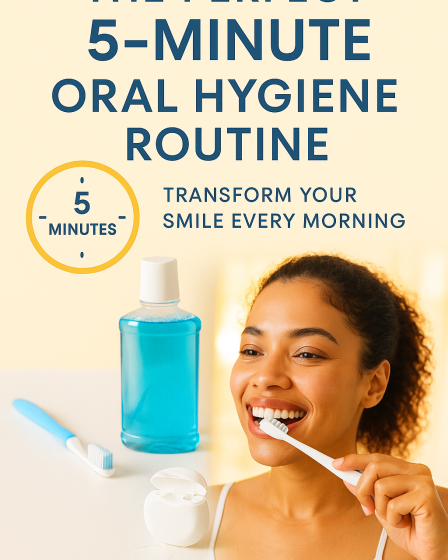
The Perfect 5-Minute Oral Hygiene Routine

The Perfect 5-Minute Oral Hygiene Routine for a Brighter Smile

If you feel overwhelmed by long, complicated dental routines, you’re not alone. Many patients at SmilePerfectors tell us they want healthy teeth but don’t have 20 minutes to spend in the bathroom. Research shows that a consistent, focused 5-minute oral hygiene routine can significantly reduce plaque, cavities, and gum inflammation when done correctly.

Dentists recommend following a simple, step-by-step system you can actually stick to every day. In just a few minutes, you can protect your teeth, calm your gums, and lower your risk of dental problems—especially when you follow the right order, use the right technique, and avoid one very common mistake most people don’t realize they’re making.

Why a 5-Minute Oral Hygiene Routine Matters

You might wonder if 5 minutes is really enough. Studies indicate that effective brushing and cleaning between teeth matter more than how long you stand at the sink.

Key takeaway:

– Commit to a short, consistent routine twice a day rather than a long, irregular one.

Step 1: Clean Between Teeth Before You Brush

Research shows that cleaning between your teeth first (with floss or interdental brushes) helps remove plaque and food particles so your toothpaste can reach more surfaces.

What to do (1–2 minutes):

  • Use:
  • Floss for tight spaces
  • Interdental brushes for slightly wider gaps
  • Gently slide between teeth, following the curve of each tooth.
  • Aim for up-and-down motions, not harsh sawing.

Important warning:

Do not snap floss into your gums or force brushes between teeth. This can cause gum injury and bleeding. If you feel pain, stop and contact your dentist.

Key takeaway:

Clean between every tooth once a day, ideally before brushing, to remove plaque where your toothbrush can’t reach.

Step 2: Brush With Fluoride Toothpaste (The Right Way)

Dentists recommend brushing for 2 full minutes, twice a day, with a soft-bristled toothbrush and fluoride toothpaste. Studies indicate that soft bristles clean effectively while being gentler on enamel and gums.

What to do (2 minutes):

  • Use a pea-sized amount of fluoride toothpaste.
  • Hold the brush at a 45° angle to the gumline.
  • Use small, gentle circles instead of hard back-and-forth scrubbing.
  • Cover:
  • Outside surfaces
  • Inside surfaces
  • Chewing surfaces

Important warning:

Avoid aggressive scrubbing. Brushing too hard can wear down enamel and cause gum recession, even if your teeth “feel” cleaner.

Key takeaway:

– Focus on gentle technique and full coverage for 2 minutes, not force. Let the bristles do the work.

Step 3: Spit, Don’t Rinse Away the Fluoride

Here’s the common mistake many people make: they rinse their mouth with water right after brushing. Research shows this can wash away the protective fluoride layer your toothpaste leaves behind.

What to do (15–30 seconds):

  • After brushing, spit out the excess toothpaste.
  • Skip rinsing with water immediately.
  • If you use a mouthwash, choose a fluoride mouthwash and use it at a different time of day (for example, after lunch), unless your dentist gives other instructions.

Important warning:

Do not swallow toothpaste or mouthwash. Fluoride is safe and effective when used as directed but should not be ingested in large amounts.

Key takeaway:

Spit, don’t rinse right away, so fluoride can keep protecting your teeth longer.

Step 4: Quick Tongue and Gum Check

Dentists recommend doing a quick self-check while you’re already at the mirror. This helps you catch issues early, when they’re easiest to treat.

What to do (30–45 seconds):

  • Gently brush your tongue from back to front to reduce odor-causing bacteria.
  • Look at your gums and cheeks:
  • Redness?
  • Swelling?
  • Bleeding?
  • Sores that don’t heal?

Important warning:

If you notice persistent bleeding, pain, or sores lasting more than 2 weeks, do not ignore them—schedule an exam with your dentist. These can be signs of gum disease or other issues.

Key takeaway:

– Add a 10-second tongue brush and quick visual check to your routine to support fresh breath and early detection.

Step 5: Make Your 5-Minute Routine Stick

The best routine is the one you’ll actually do. Studies indicate that habit cues—like pairing brushing with existing daily routines—help people stay consistent.

What to do:

  • Pair your routine with:
  • After breakfast
  • Before bed
  • Set a 2-minute timer or use an electric toothbrush with a built-in timer.
  • Keep floss/interdental brushes visible on the counter, not hidden in a drawer.

Key takeaway:

– Tie your 5-minute oral hygiene routine to daily habits and use a timer so you don’t rush.

FAQs About the 5-Minute Oral Hygiene Routine

1. Is a 5-minute oral hygiene routine really enough?

Dentists recommend at least 2 minutes of brushing twice a day plus once-daily cleaning between teeth. When done correctly, this adds up to about 4–5 minutes and is considered effective for most people with healthy mouths.

2. Should I floss before or after brushing?

Studies indicate that flossing before brushing helps remove plaque and allows fluoride toothpaste to reach between teeth more easily. At SmilePerfectors, we typically recommend cleaning between teeth first, then brushing.

3. Do I need mouthwash as part of my 5-minute oral hygiene routine?

Not everyone needs mouthwash. Dentists recommend it in certain cases—such as high cavity risk or gum inflammation. If you use one, choose an alcohol-free fluoride mouthwash and follow label directions.

4. How hard should I brush?

Use light pressure, similar to writing with a pen. Brushing harder does not clean better and can damage your enamel and gums over time.

5. When should I see a dentist if I’m following this routine?

Even with a perfect 5-minute oral hygiene routine, dentists recommend checkups and cleanings every 6 months for most people. If you have gum disease, braces, or other conditions, you may need more frequent visits as advised by your dentist.

If you’re unsure whether your current routine is working, the dental team at SmilePerfectors can assess your gums, enamel, and brushing technique and help you personalize a simple, effective 5-minute oral hygiene routine that fits your daily life.

Key Takeaways

The Perfect 5-Minute Oral Hygiene Routine for a Brighter Smile – *SmilePerfectors* Guide to oral hygiene routine

Worried your current oral hygiene routine isn’t enough, but don’t have time for a long, complicated process? You’re not alone—many patients tell us they feel overwhelmed by all the products and “rules.” Research shows that a simple, consistent 5-minute routine can dramatically reduce cavities, gum disease, and bad breath.

Below is a dentist-approved, science-backed routine you can follow every day in just a few minutes.

1. Create a Simple Oral Care Station (Start Your Oral Hygiene Routine Here)

Feeling disorganized often leads to skipping your routine, especially on busy mornings. Dentists recommend making your oral hygiene routine as easy and automatic as possible.

Set up a small, dedicated space with:

  • Soft-bristled toothbrush
  • Fluoride toothpaste
  • Dental floss or floss picks
  • Tongue cleaner or scraper
  • Cup for rinsing

Action step: Keep all items in one tray or container on your counter so you can start your routine in seconds, without searching for anything.

2. Brush Properly: 2 Minutes, Twice a Day

Many people brush every day but still get cavities—often because they rush or use the wrong technique. Studies indicate that brushing for the full 2 minutes twice daily with fluoride toothpaste significantly reduces plaque and tooth decay.

  • Hold the brush at a 45° angle to the gumline.
  • Use gentle, short strokes along the outer, inner, and chewing surfaces of every tooth.
  • Spend about 30 seconds per quadrant of your mouth (upper right, upper left, lower right, lower left).

Action step: Set a 2-minute timer or use an electric toothbrush with a built-in timer to be sure you’re not cutting corners.

Safety note: Avoid scrubbing hard or using hard-bristled brushes—this can wear down enamel and irritate your gums over time.

3. Floss Once a Day: Clean Where Your Brush Can’t

If you feel guilty about not flossing, you’re in good company—but it’s one of the most powerful parts of your routine. Research shows that brushing plus flossing is far more effective at reducing gum inflammation than brushing alone.

Use a gentle C-shape technique:

  • Slide the floss gently between two teeth.
  • Curve it into a “C” around one tooth, moving it up and down under the gumline.
  • Repeat on the adjacent tooth, then move to the next space with a clean section of floss.

Action step: Choose a floss type you’ll actually use—traditional string, floss picks, or a water flosser if your dentist approves.

Safety note: Do not snap floss hard into your gums—this can cause bleeding, irritation, and recession. Gentle motion is key.

4. Clean Your Tongue to Reduce Bad Breath

Bad breath can be embarrassing, and many patients don’t realize their tongue is a major source. Studies indicate that tongue cleaning can significantly reduce odor-causing bacteria.

  • Use a tongue scraper or the back of your toothbrush.
  • Gently scrape from the back of the tongue toward the front, rinsing the scraper between passes.
  • Do this 2–3 times until the surface looks cleaner.

Action step: Add tongue cleaning right after brushing—this takes less than 30 seconds and noticeably freshens breath.

5. Rinse With a Fluoride or Antibacterial Mouthwash

A good mouthwash can give your routine an extra protective boost. Dentists recommend using an ADA-approved fluoride mouthwash to help strengthen enamel or an antibacterial rinse if you’re at higher risk for gum disease (as advised by your dentist).

  • Use the recommended amount of mouthwash in the cap.
  • Swish vigorously for 30 seconds after brushing and flossing.
  • Spit out completely—do not swallow.

Action step: Choose one mouthwash that matches your needs (fluoride for cavity protection, antibacterial for gum health) and keep it by your sink so you remember to use it.

Safety note: Children and anyone who may swallow mouthwash should only use it under supervision, and alcohol-containing rinses may not be suitable for everyone—ask your dentist.

6. Make It a Habit: Anchor Your 5-Minute Routine

The best routine is the one you can actually stick to. Research in habit formation shows that tying a new behavior to an existing daily activity greatly improves consistency.

  • Morning: After breakfast
  • Night: Before getting into bed
  • Track your success on a simple checklist or phone habit app for at least 7 days.

Action step: Pick two fixed times today (for example, “after breakfast” and “right before bed”), write them down, and commit to following this 5-minute routine for one full week.

Quick 5-Minute Oral Hygiene Routine Summary

In about 5 minutes you can:

1. Brush – 2 minutes, gentle 45° strokes with fluoride toothpaste.

2. Floss – Clean between every tooth with a C-shape motion.

3. Clean tongue – 20–30 seconds with a scraper.

4. Rinse – 30 seconds with an ADA-approved mouthwash.

Staying consistent with this simple oral hygiene routine can significantly lower your risk of cavities, gum disease, and bad breath—and help you keep your natural teeth healthier for longer.

FAQ: Oral Hygiene Routine – SmilePerfectors

Q1: How often should I follow this oral hygiene routine?

Dentists recommend doing the full routine twice a day—morning and night. Brushing alone once a day is usually not enough to remove plaque and protect against gum disease.

Q2: Is flossing really necessary if I brush well?

Yes. Research shows that brushing only cleans about 60% of the tooth surface. Flossing reaches the tight spaces between teeth and under the gumline where cavities and gum disease often start.

Q3: Which should come first in my oral hygiene routine—flossing or brushing?

Studies indicate that flossing before brushing may help fluoride from toothpaste reach between teeth more effectively. However, the most important thing is that you do both thoroughly every day.

Q4: Do I need a special mouthwash for my oral hygiene routine?

Not always. A basic ADA-approved fluoride mouthwash works well for most people. If you have gum disease, dry mouth, or sensitive teeth, ask your SmilePerfectors dentist which formula is best for you.

Q5: When should I see a dentist if I’m following this routine?

Even with a perfect home oral hygiene routine, dentists recommend checkups every 6 months. If you notice bleeding gums, persistent bad breath, or tooth pain, schedule a visit with SmilePerfectors sooner.

Set Up Your 5-Minute Dental Routine

5-Minute Dental Routine for Better Oral Health

If you feel too busy for a long dental routine, you’re not alone. Research shows that short, consistent habits do more for your teeth and gums than occasional “perfect” routines. That’s why a simple 5-minute dental routine can make a real difference.

Short, consistent daily habits beat occasional “perfect” routines—your simple 5-minute dental routine truly matters

Dentists recommend focusing on a few key tools you’ll actually use every day. The goal is to make your routine so easy and convenient that skipping it takes more effort than doing it.

Create a Simple “Oral Health Station” for Your 5-Minute Dental Routine

When everything is scattered around the bathroom, it’s easy to rush and miss steps. Studies indicate that organizing your space increases the chances you’ll stick with your 5-minute dental routine.

Set up a small, dedicated spot near your sink. Keep only what you truly need daily:

  • Soft-bristled toothbrush and fluoride toothpaste
  • Floss or interdental brushes (for cleaning between teeth)
  • Tongue cleaner
  • Cup for rinsing

Use a shallow tray or small container so each item is visible, clean, and dry. Your takeaway: prepare this station once, so starting your routine takes almost no effort.

Warning: Avoid using hard-bristled toothbrushes or brushing aggressively—this can wear down enamel and irritate your gums over time.

Anchor Your 5-Minute Dental Routine to Daily Habits

Many people worry they “don’t have time,” but research shows that tying new habits to existing ones makes them far more likely to stick. Dentists recommend brushing twice a day for two minutes each time, plus once-daily cleaning between teeth.

Set two fixed anchors in your day:

  • After breakfast: Brush, clean between teeth, and gently clean your tongue.
  • Before bed: Repeat the same steps, plus a final rinse if recommended by your dentist.

Protect these times like short appointments with yourself. Your takeaway: pick your two exact times today (for example, 7:30 a.m. and 10:30 p.m.) and commit to them for the next week.

Make Your 5-Minute Dental Routine Measurable

It’s easy to feel discouraged if you miss a day, but research shows that tracking your efforts can keep you motivated. You’re aiming for consistency, not perfection.

For one week:

  • Mark a simple ✅ on a calendar or phone note after each routine.
  • Note any nights you’re tempted to skip and do at least brushing instead of doing nothing.

Your takeaway: track your routine for 7 days and focus on building the habit, not judging yourself. Even on low-energy days, one minute of brushing is better than giving up completely.

FAQs About a 5-Minute Dental Routine

Q: Is a 5-minute dental routine really enough?

Dentists recommend at least two minutes of brushing twice daily and about one minute for cleaning between teeth and your tongue. Used wisely, 5 minutes is usually enough for most people with healthy gums and teeth.

Q: Do I need to floss every day as part of my 5-minute dental routine?

Studies indicate that daily cleaning between teeth (with floss or interdental brushes) helps reduce gum disease and cavities between teeth. Once a day is usually enough if you’re thorough.

Q: Should I use mouthwash in my 5-minute dental routine?

For many people, an alcohol-free, fluoride mouthwash can be a helpful final step. Always follow the product instructions, and do not swallow mouthwash, especially for children.

Q: What if my gums bleed when I start this routine?

Mild bleeding when you first start flossing or using interdental brushes is common. If bleeding is heavy, painful, or lasts more than a week, contact your dentist promptly, as this may signal gum disease or other issues.

If you’d like, tell me what your current morning and night routines look like, and I can help you turn them into a personalized 5-minute dental routine you can actually stick to.

Start With a Thorough Brush

Daily Dental Care Routine

Now that your 5-minute routine has a clear place and time, it’s normal to wonder, “Is this really enough to protect my teeth?” At SmilePerfectors, we see patients every day who brush regularly but still struggle with cavities and bleeding gums—usually because the brushing itself is too quick or too rough.

Research shows that a slow, thorough brush is one of the most effective ways to prevent cavities and gum disease. Dentists recommend focusing on technique and consistency, not just “getting it over with.”

Make Two Minutes Non-Negotiable in Your Daily Dental Care Routine

If you’ve been brushing for 30–60 seconds, you’re not alone. Many people are surprised to learn that dentists recommend a full two minutes, twice a day for effective plaque removal.

Studies indicate that brushing for less than two minutes leaves more plaque and bacteria on tooth surfaces, especially near the gums. Over time, that leftover plaque can harden into tartar and lead to gum inflammation.

Action step:

  • Use a timer, phone, or electric toothbrush with a built-in timer.
  • Aim for 2 minutes, twice a day—morning and night.
  • Divide your mouth into 4 zones and spend about 30 seconds on each.

> Safety reminder: Do not brush longer than 3 minutes with heavy pressure, as this can wear down enamel and irritate your gums.

Break Your Daily Dental Care Routine into Simple Sections

When you’re tired or in a rush, it’s easy to only brush the “easy” spots. Research shows that people commonly miss the inner surfaces of teeth and the back molars, where cavities love to start.

Dentists recommend thinking in sections so nothing gets ignored:

  • Outside surfaces (the ones people see when you smile)
  • Inside surfaces (the tongue-side of your teeth)
  • Chewing surfaces (the tops of your molars and premolars)

Move through each section with calm, steady strokes instead of fast scrubbing. Try small, gentle circles at the gumline rather than harsh back-and-forth motions.

Action step:

  • Start with the outside surfaces, then inside surfaces, then chewing surfaces.
  • Choose a simple order (upper right → upper left → lower left → lower right) and repeat it every time.

Use Gentle Pressure and Pay Attention to How Your Mouth Feels

If your gums feel sore after brushing, you might assume you’re just “brushing well,” but that’s often a sign of too much pressure. Studies indicate that medium or hard brushing can cause gum recession and enamel wear over time.

Dentists recommend using mild pressure—enough to feel the bristles, but not enough to bend them hard against your teeth. Stay tuned into how your teeth and gums feel as you brush.

> Important: If you notice regular bleeding, sharp sensitivity, or persistent pain while brushing, don’t ignore it. That can be a sign of gum disease, cavities, or brushing too hard. Contact your dentist for an exam.

Action step:

  • Hold your toothbrush like a pen, not like a tool you’re scrubbing with.
  • If the bristles are flattening or fraying quickly, you’re probably pressing too hard.
  • Aim for “gentle but thorough,” not aggressive.

FAQ: Daily Dental Care Routine

Q: Is a 5-minute daily dental care routine really enough?

A: Yes—if you use it wisely. Research shows that 2 minutes of focused brushing, plus flossing and a quick rinse, can significantly reduce plaque and lower your risk of cavities and gum disease when done consistently.

Q: Do I need an electric toothbrush for a good daily dental care routine?

A: Electric toothbrushes can help, especially if you tend to rush or press too hard. Studies indicate they may remove more plaque than manual brushing, but with good technique, a soft manual toothbrush can also be very effective.

Q: My gums bleed when I follow a daily dental care routine. Is that normal?

A: Occasional light bleeding can happen if you haven’t been brushing or flossing regularly, but it should improve within a week or two. If bleeding continues or worsens, see your dentist, as it may indicate gingivitis or another issue.

Perfect Your Brushing Technique

Perfect Your Brushing Technique for SmilePerfectors

If you’ve ever wondered, “Am I even brushing the right way?” you’re not alone. Research shows that brushing technique matters just as much as how often you brush.

At SmilePerfectors, dentists recommend a gentle, precise approach that protects both your teeth and gums—not an aggressive scrub that can cause damage.

Action takeaway: Focus on *how* you brush, not just *how hard* or *how long*.

Why Brushing Technique Matters

Many people think “brushing harder” means “brushing better.” Studies indicate that brushing too hard can wear down enamel and irritate your gums, even if your teeth *look* clean.

Action takeaway: Aim for gentle, controlled movements, not force. Let the bristles do the work.

Bold safety note: Avoid hard brushing and stiff-bristled brushes—they can cause gum recession and enamel loss over time.

Step-by-Step: Perfect Your Brushing Technique

Dentists recommend a simple, repeatable sequence you can follow every time. Think of it as a routine, not a rush.

  1. Angle the Brush Correctly
    • Hold your toothbrush at about a 45° angle to your gumline.
    • This angle helps the bristles reach the plaque that hides where your teeth and gums meet.

Action takeaway: Each time you start brushing, pause and check your angle before moving the brush.

2. Use Small, Gentle Strokes

  • Use soft, short strokes, focusing on about two teeth at a time.
  • Research shows that small, controlled movements are more effective than large, aggressive scrubbing.

Action takeaway: Count “one-two” in your head as you move to the next pair of teeth to keep strokes short and steady.

3. Sweep From Gum to Tooth Edge

  • Gently sweep from the gumline toward the chewing edge of the tooth.
  • Avoid sawing back and forth; that motion can irritate gums and miss plaque along the edge.

Action takeaway: Visualize “pulling” plaque away from your gums, not grinding it around.

4. Follow a Simple Order So You Don’t Miss Spots

Dentists recommend a set pattern so you cover everything:

  • Outer surfaces (front-facing teeth)
  • Inner surfaces (tongue-side teeth)
  • Chewing surfaces (tops of molars)

Action takeaway: Follow the same order every time so every tooth gets equal attention.

5. Give Extra Care to the Gumline

  • Studies indicate that plaque builds up fastest along the gumline, where it’s easy to miss.
  • Spend a few calm, focused seconds tracing that edge with gentle strokes.

Action takeaway: During each brushing session, do one slow pass just for your gumline, top and bottom.

Don’t Forget Your Tongue and Cheeks

Bacteria don’t just live on your teeth. Research shows that the tongue and inner cheeks can hold bacteria that contribute to bad breath and plaque.

  • Lightly brush your tongue from back to front.
  • Gently brush the inside of your cheeks as well.

Action takeaway: Add 10–15 seconds at the end of every brushing session for your tongue and cheeks.

Bold safety note: If you have a sensitive gag reflex, start with the front half of your tongue and move back gradually—don’t force it.

Where Mouthwash Fits In

Mouthwash can be a great addition to good brushing, not a replacement. Studies indicate that fluoride or antibacterial mouthwashes can help reduce bacteria and freshen breath, but they can’t scrub away plaque on their own.

Action takeaway: Think of brushing and flossing as the foundation, and mouthwash as a helpful bonus step, especially after you’ve brushed correctly.

Bold safety note: Do not use mouthwash as a substitute for brushing—plaque must be physically removed with a toothbrush and floss.

FAQs: Perfecting Your Brushing Technique

Q1: How long should I brush with this technique?

Dentists recommend two full minutes, twice a day.

A simple way is to spend about 30 seconds per quadrant (upper right, upper left, lower right, lower left).

Q2: Is an electric toothbrush better for this technique?

Studies show that many people remove more plaque with electric toothbrushes, especially oscillating-rotating types.

However, the same basics apply: 45° angle, gentle pressure, and slow movement along the gumline.

Q3: How hard should I press?

Use light pressure—about the weight of your hand resting on the brush.

If the bristles are bending or your gums feel sore, you’re likely pressing too hard.

Q4: How often should I replace my toothbrush?

Dentists recommend replacing your toothbrush or electric brush head every 3 months, or sooner if the bristles look frayed.

Worn bristles clean less effectively and can be rough on gums.

Follow up With Focused Flossing

Follow Up With Focused Flossing for Better Oral Health

If you’ve ever wondered whether flossing is really worth the effort, you’re not alone. Many SmilePerfectors patients tell us flossing feels confusing, time‑consuming, or even uncomfortable at first—but it’s one of the most powerful habits you can build for long-term oral health.

Research shows that brushing alone can’t fully clean between teeth or under the gumline, which is exactly where focused flossing makes the biggest difference.

Dentists recommend combining proper brushing with daily flossing to significantly reduce plaque buildup, gum inflammation, and your risk of cavities between teeth. Studies indicate that people who floss regularly have healthier gums and experience less bleeding and tenderness over time.

Why Focused Flossing Matters

It’s easy to feel discouraged if your gums bleed or feel sore when you floss. That doesn’t always mean you’re doing it wrong—most of the time, it’s a sign that your gums are irritated from plaque and need more consistent care.

Research shows that consistent flossing can:

  • Reduce gum bleeding within 1–2 weeks
  • Lower your risk of gingivitis and gum disease
  • Help prevent cavities between teeth that brushing can’t reach

Action takeaway: Commit to flossing once a day, even if it’s just one gentle, focused round before bed.

Step 1: Set Up Your Floss the Right Way

Using the right amount and grip makes flossing easier and more comfortable.

Follow this simple setup:

  • Take about 18 inches of floss (roughly fingertip to elbow).
  • Wrap most of the floss around the middle finger of one hand.
  • Wrap a small amount around the middle finger of the other hand.
  • Pinch a 1-inch section of floss between your index fingers to guide it.

Action takeaway: Always work with a short, tight 1-inch section of floss for better control and less slipping.

Step 2: Floss Each Tooth With Gentle Technique

Rushing or snapping the floss can hurt your gums, so think “slow and smooth,” not “fast and forceful.” Dentists recommend a C‑shaped, up‑and‑down motion rather than just popping the floss in and out.

For each space between teeth:

  • Slide the floss gently between your teeth using a light sawing motion—do not force it.
  • Curve the floss into a C-shape so it hugs one tooth.
  • Glide under the gumline and move the floss up and down 3–5 times along the side of the tooth.
  • Then switch to the neighboring tooth in the same space and repeat the C-shape and up‑and‑down motion.

Move to a clean section of floss as you go so you’re not just moving plaque around.

Action takeaway: Use a C-shape and 3–5 gentle strokes on each side of every tooth, once a day.

Step 3: Stay Safe and Gentle

It’s normal to feel unsure about how much pressure to use at first. Your goal is to clean, not to “scrape hard” or dig into the gums.

Bold safety warning: Never snap or force floss between your teeth or sharply dig it into your gums—this can cause cuts, gum recession, and unnecessary pain. If a contact is extremely tight or painful, stop and ask your SmilePerfectors dentist to check that area.

If your gums bleed a little in the first week or two:

  • Keep flossing gently—studies indicate bleeding often improves with consistent care.
  • If bleeding is heavy, very painful, or doesn’t improve after 1–2 weeks, contact your dentist.

Action takeaway: If flossing regularly hurts a lot or causes heavy bleeding, schedule a checkup to rule out gum disease or other issues.

Step 4: Make It a Daily Habit

Consistency matters more than speed or “perfect” technique. Even if it feels slow at first, flossing gets easier and faster within a few weeks.

To make it stick:

  • Choose a set time each day (often at night before bed).
  • Start with just the upper teeth one night, lower teeth the next if doing all at once feels overwhelming.
  • Use a mirror at first so you can see what you’re doing.

Action takeaway: Aim to clean every space between your teeth once a day—your future smile and gums will thank you.

FAQs About Focused Flossing

Q: My gums bleed when I floss. Should I stop?

A: Not necessarily. Mild bleeding is common when gums are inflamed from plaque. Keep flossing gently once a day—if bleeding is heavy, painful, or doesn’t improve in 1–2 weeks, see your SmilePerfectors dentist.

Q: Is flossing really necessary if I brush well?

A: Yes. Studies indicate that brushing plus flossing removes significantly more plaque than brushing alone, especially between teeth and under the gumline, where most toothbrush bristles can’t reach.

Q: Can I use floss picks instead of string floss?

A: Floss picks are better than not flossing at all, especially if traditional floss feels too tricky. However, traditional floss usually allows better control and a more effective C‑shape around each tooth.

Q: When is the best time to floss?

A: Dentists recommend flossing once a day, ideally before bed so your teeth are clean overnight. The exact time matters less than doing it consistently every day.

If you’re unsure whether you’re flossing correctly, bring it up at your next SmilePerfectors visit—we’re happy to walk you through it step by step so you feel confident and comfortable.

Finish Strong With Mouthwash

Best Mouthwash for Healthy Teeth

If you’re already brushing and flossing, adding the best mouthwash for healthy teeth can feel confusing. Are you overdoing it, or not doing enough? At SmilePerfectors, we hear this concern every day, and the good news is: when used correctly, mouthwash is a simple way to boost your daily routine.

Research shows that the right mouthwash can reduce plaque, freshen breath, and help prevent cavities—without adding a lot of extra time to your day.

Why Mouthwash Matters for Healthy Teeth

Dentists recommend mouthwash as a supporting step, not a replacement for brushing and flossing. Studies indicate that antimicrobial and fluoride rinses can reach areas your toothbrush and floss sometimes miss.

Think of mouthwash as your cleanup crew:

  • It flushes out food particles and bacteria.
  • It supports gum health and enamel strength.
  • It helps keep your breath fresher between brushes.

Takeaway: Use mouthwash as a finishing step after brushing and flossing, not instead of them.

How to Choose the Best Mouthwash for Healthy Teeth

It’s normal to feel overwhelmed by all the options. Research shows that not all rinses work the same way, so the “best” mouthwash depends on your goals.

For everyday use, dentists recommend:

  • Alcohol-free, fluoride mouthwash to protect enamel and avoid dryness.
  • ADA-accepted products whenever possible, so you know they’re evidence-based.
  • Targeted formulas (e.g., cavity protection, gum health, or sensitivity) based on your needs.

Takeaway: Look for an alcohol-free, fluoride mouthwash with clear cavity or gum-health benefits on the label.

Step-by-Step: How to Use Mouthwash Safely and Effectively

If you’ve ever wondered whether you’re using mouthwash “right,” you’re not alone. Studies indicate the time and amount you use really do affect results.

To finish strong:

  • Measure the dose: Pour the exact amount listed on the label (usually 10–20 ml).
  • Swish, don’t sip: Rinse vigorously for a full 30 seconds, then spit—do not swallow.
  • Wait to rinse: Avoid rinsing with water immediately afterward, so the fluoride can keep working.

Warning: Do not swallow mouthwash, especially in children, as it may cause stomach upset or, in large amounts, more serious side effects. Always supervise kids who use it.

Takeaway: Use the recommended amount, swish for 30 seconds, and spit—no extra water rinse needed right away.

How Often Should You Use the Best Mouthwash for Healthy Teeth?

Many people worry they’re either using mouthwash too often or not enough. Dentists recommend once or twice a day for most healthy adults, depending on the product and your oral health.

General guidelines:

  • Once daily: For basic breath freshening and cavity prevention.
  • Twice daily: If you have higher cavity risk or gum concerns, and your dentist approves.
  • Special prescription rinses: Always follow your dentist’s instructions exactly.

Warning: Overusing strong antiseptic or whitening rinses can irritate your gums or soften enamel over time. If you notice burning, dryness, or sensitivity, stop and talk to your dentist.

Takeaway: Aim for consistent daily use, not occasional “catch-up” rinses.

What Mouthwash Can (and Can’t) Do

It’s easy to hope mouthwash will fix everything—from bad breath to tooth pain. Research shows mouthwash is powerful, but it has limits.

Mouthwash can:

  • Reduce bacteria that cause bad breath and gum irritation.
  • Help prevent cavities with fluoride.
  • Reach tight spaces between teeth and in deep grooves.

Mouthwash cannot:

  • Remove hardened tartar.
  • Replace professional cleanings or fillings.
  • Cure ongoing toothache or severe gum disease.

Takeaway: Use mouthwash as part of a complete routine: brushing, flossing, and regular dental visits.

FAQs About the Best Mouthwash for Healthy Teeth

1. Do I really need the best mouthwash for healthy teeth if I already brush and floss?

Research shows that adding a fluoride or antibacterial rinse can reduce plaque and cavity risk more than brushing alone. It’s an optional step—but a helpful one if you want extra protection.

2. Is alcohol-free mouthwash as effective?

Yes. Studies indicate that alcohol-free mouthwashes can be just as effective for cavity prevention and gum health, without the burning sensation or dryness some people experience.

3. Can kids use the best mouthwash for healthy teeth?

Dentists recommend mouthwash only for children who are old enough to swish and spit reliably, usually around age 6 or older. Warning: Always choose child-safe formulas and supervise closely to prevent swallowing.

4. Should I use mouthwash before or after brushing?

Most over-the-counter rinses are designed for use after brushing and flossing, so fluoride can coat clean teeth. Always follow the directions on your specific product or your dentist’s advice.

5. What if my mouth burns when I use mouthwash?

A mild tingle is common, but strong burning is not. Switch to an alcohol-free, gentle formula, and if irritation continues, stop using it and contact your dentist.

Bottom line: The best mouthwash for healthy teeth is one that’s alcohol-free, fluoride-based, and used correctly every day. If you’re unsure which rinse fits your smile, the team at SmilePerfectors can help you choose a product tailored to your needs.

Quick Daily Habits to Protect Your Smile

Quick Daily Habits to Protect Your Smile – SmilePerfectors Dental Care Tips

Busy days make it easy to forget about your teeth, and many patients at SmilePerfectors tell us they “do their best” but still worry about cavities and gum issues. Research shows that small, consistent dental care habits can make a bigger difference than occasional “perfect” brushing.

These quick tips fit into real life and can help you protect your smile all day long.

Simple Hydration Habits for Better SmilePerfectors Dental Care

Many people feel guilty when they can’t brush after every meal. Dentists recommend a practical backup: sip water regularly throughout the day.

Studies indicate that drinking water:

  • Helps wash away food particles and acids
  • Supports saliva, your mouth’s natural defense system
  • Reduces dry mouth, which is linked to higher cavity risk

Action step:

Keep a refillable water bottle at your desk or in your bag and take a few sips every 20–30 minutes, especially after snacks or coffee.

Warning:

Do not sip sugary drinks (like soda or sweetened coffee) all day long. Frequent sugar exposure greatly increases your risk of cavities.

Smart Snacking: Key to Everyday SmilePerfectors Dental Care

If you tend to “graze” all day, you’re not alone. Research shows that frequent snacking keeps your mouth in an acidic state, giving cavity-causing bacteria more chances to damage enamel.

Dentists recommend:

  • Limit eating to set meals and 1–2 planned snacks
  • Choose tooth-friendly snacks like cheese, nuts, and crunchy veggies
  • Avoid sticky candies and chips that cling to teeth

Action step:

Pick specific snack times (for example, 11 a.m. and 3 p.m.) and avoid random, all‑day nibbling between them.

Warning:

Constant snacking—even on “healthy” carbs like crackers or dried fruit—can still lead to enamel erosion and cavities.

Use Sugar‑Free Gum When You Can’t Brush

If you can’t get to a toothbrush after lunch or coffee, you still have options. Studies indicate that chewing sugar‑free gum for 20 minutes after meals can help reduce the risk of tooth decay.

Benefits of sugar‑free gum:

  • Stimulates saliva, which neutralizes acids
  • Helps dislodge small food particles
  • Freshens breath between brushings

Action step:

Carry xylitol‑based sugar‑free gum in your bag or car and chew a piece after meals when brushing isn’t possible.

Warning:

If you have jaw pain, TMJ issues, or frequent headaches, talk to your dentist before chewing gum regularly.

Question Common Myths for Safer SmilePerfectors Dental Care

Many people try to “fix” dental problems by brushing harder or using harsh home remedies. Research shows that brushing too hard or using very abrasive products can damage your enamel and gums.

Dentists recommend:

  • Use a soft‑bristled toothbrush
  • Brush for 2 minutes, twice a day, with gentle circles
  • Avoid DIY whitening tricks like lemon juice or baking soda scrubs

Action step:

Check your toothbrush tonight. If the bristles are flared or you tend to “scrub,” switch to a soft brush and lighten your pressure.

Warning:

Brushing aggressively can cause gum recession and tooth sensitivity that may be permanent.

Build Tiny Cues Into Your Routine

If you’ve struggled to “be consistent,” you’re not alone—habits stick better when they’re tied to something you already do. Studies indicate that linking habits to existing routines makes them much easier to maintain.

Try these simple cues:

  • Brush after breakfast, not just “sometime in the morning”
  • Floss before bed, right after you wash your face
  • Rinse with water after sugary drinks like soda, juice, or sweetened coffee

Action step:

Pick one new habit from the list above and do it at the same time and place every day for the next two weeks.

Warning:

Mouthwash isn’t a replacement for brushing and flossing; overusing strong mouthwashes can irritate your mouth. Use as directed by your dentist.

FAQs About Quick Daily Dental Habits and SmilePerfectors Dental Care

1. Are these habits enough to replace regular dentist visits?

No. Research shows that even with excellent home care, professional cleanings and exams every 6 months are important to detect problems early.

2. Is chewing sugar‑free gum safe every day?

For most people, yes. Dentists recommend moderation and advise patients with jaw issues or dental work (like certain restorations) to check with their dentist first.

3. How long should I brush my teeth?

Studies indicate that 2 minutes, twice a day with a soft‑bristled brush and fluoride toothpaste is ideal for most adults.

4. Do I really need to floss if I brush well?

Yes. Brushing alone misses about 35% of tooth surfaces. Flossing removes plaque and food from between teeth where your brush can’t reach.

If you’d like personalized guidance or are worried about your current routine, the team at SmilePerfectors can review your habits, check your enamel and gums, and help you build a simple plan that fits your lifestyle.

Frequently Asked Questions

Can I Use an Electric Toothbrush for This 5-Minute Routine?

Can I Use an Electric Toothbrush for This 5-Minute Routine?

If you’re wondering whether you can use an electric toothbrush for this 5-minute routine, you’re not alone. Many patients at SmilePerfectors ask if their electric brush will “mess up” a careful brushing plan, especially when they’re trying to do everything right for their gums and enamel.

Research shows that electric toothbrushes can actually improve plaque removal and consistency compared to manual brushes, especially when used with proper technique. Dentists recommend electric brushes for patients who want more control with less effort, as long as they’re used gently and correctly.

How an Electric Toothbrush Fits into a 5-Minute Routine

You absolutely can use an electric toothbrush for this 5-minute routine, and it may make it easier to stay thorough without rushing.

Studies indicate that power brushes help you maintain a steady brushing motion while the brush head does most of the cleaning work. Your main job is position and timing, not scrubbing harder.

Action steps:

  • Use a soft-bristled electric toothbrush head.
  • Set a 2-minute timer (many brushes have this built in) and repeat if your routine is longer.
  • Let the brush do the work; focus on moving it slowly and evenly across all areas.

Proper Technique with an Electric Toothbrush for This 5-Minute Routine

Dentists recommend focusing on technique over pressure when using an electric toothbrush for this 5-minute routine. That means guiding the brush carefully instead of “scrubbing” like a manual toothbrush.

To protect your enamel and gums while still cleaning effectively:

  • Angle the bristles at about 45 degrees toward the gumline.
  • Gently guide the brush head along each tooth surface (front, back, chewing).
  • Pause for 2–3 seconds per tooth area, then move on without pressing down.

Action step: Next time you brush, consciously lighten your grip and pressure—if the bristles are bending a lot, you’re pressing too hard.

Safety Tips When Using an Electric Toothbrush for This 5-Minute Routine

Studies indicate that excessive pressure and overly stiff bristles can contribute to gum recession and enamel wear over time, even with a high-quality electric brush. That’s why technique and brush choice matter as much as the device itself.

Warning: Do not press hard or “scrub” with your electric toothbrush—this can damage gums and enamel, especially over a 5-minute routine.

Action steps:

  • Choose soft bristles only; avoid “medium” or “hard” heads.
  • If your brush has a pressure sensor, make sure it’s turned on and stop when it signals.
  • Replace brush heads every 3 months, or sooner if bristles flare out.

FAQs About Using an Electric Toothbrush for This 5-Minute Routine

Q: Will using an electric toothbrush for this 5-minute routine be too much for my gums?

Research shows that electric toothbrushes are safe for daily use when paired with soft bristles and light pressure. If your gums feel sore or bleed regularly, stop and talk to your dentist to adjust your technique and rule out gum disease.

Q: Is an electric toothbrush better than a manual one for a 5-minute routine?

Studies indicate that many people remove more plaque with an electric toothbrush because it provides consistent motion. The key is sticking to your full 5-minute routine and covering all areas of your mouth, no matter which brush you use.

Q: How often should I use an electric toothbrush for this 5-minute routine?

Dentists recommend brushing twice daily with fluoride toothpaste, whether you use a manual or electric brush. If you’re doing a full 5-minute routine, keep it gentle and balanced—don’t compensate by brushing aggressively.

If you’re unsure whether your current brush or technique is right for you, the SmilePerfectors team can help review your electric toothbrush for this 5-minute routine and customize a plan that protects your smile long-term.

How Often Should I Replace My Toothbrush or Brush Head?

How Often Should I Replace My Toothbrush or Brush Head?

If you’ve ever wondered “How often should I replace my toothbrush or brush head?”, you’re not alone. Many people worry that they’re either changing it too soon and wasting money, or too late and risking their oral health. Dentists recommend a simple timeline that’s easy to follow and backed by research.

Research shows you should replace your toothbrush or brush head about every 3 months. This helps keep plaque under control and protects your enamel and gums from worn-out bristles that don’t clean effectively.

How Often Should I Replace My Toothbrush or Brush Head? (General Rule)

Studies indicate that toothbrush bristles start to lose cleaning power around the 3‑month mark with normal use. The American Dental Association and dentists at SmilePerfectors recommend replacing your toothbrush or electric brush head every 3 months.

Action takeaway:

  • Mark your calendar to swap your brush or head every 3 months.
  • An easy trick: change it with the start of each new season (every 3 months of the year).

Important: Using an old, frayed brush can irritate your gums and leave plaque behind, increasing your risk of cavities and gum disease.

When to Replace Your Toothbrush or Brush Head Sooner

If you brush hard, have been sick, or notice your brush looking “tired,” it may not last the full 3 months. Research shows visibly frayed bristles can lose significant cleaning efficiency well before that point.

Dentists recommend replacing your toothbrush or brush head right away if:

  • You’ve been sick (cold, flu, COVID-19, strep, etc.).
  • Bristles are fraying, bending, or splaying outward.
  • You see discoloration or buildup on the bristles.
  • You brush with heavy pressure twice a day, which wears bristles out faster.

Action takeaway:

  • Check your brush weekly.
  • If you see fraying, flattening, or bent bristles, replace it immediately—even if it’s been less than 3 months.

Warning: Do not keep using a toothbrush after an illness “to save money”—germs can linger on bristles and increase your chances of getting sick again or spreading infection.

How Often Should I Replace My Toothbrush or Brush Head If I Brush Hard?

If you tend to “scrub” your teeth, your brush may wear out well before 3 months. Studies indicate that excessive brushing force damages bristles and can contribute to enamel wear and gum recession over time.

Dentists recommend:

  • Switching to a soft-bristled brush if your bristles fray quickly.
  • Letting the bristles, not pressure, do the work by using gentle, circular motions.
  • Watching for early signs of wear in 4–8 weeks if you know you brush aggressively.

Action takeaway:

  • If you notice fraying in under 2 months, replace your brush head and focus on gentler pressure.
  • Consider an electric brush with a pressure sensor to help protect your enamel and gums.

FAQs: How Often Should I Replace My Toothbrush or Brush Head?

Q1: How often should I replace my toothbrush or brush head if I barely see wear?

Dentists recommend every 3 months, even if it “looks fine.” Research shows microscopic wear reduces cleaning efficiency before damage is obvious to the eye.

Q2: How often should I replace my toothbrush or brush head after being sick?

Dentists recommend replacing it immediately after you recover from an illness like the flu, strep throat, or COVID‑19 to reduce the chance of re‑infection.

Q3: How often should I replace my toothbrush or brush head for my child?

Children often chew on bristles, so studies indicate kids’ brushes may wear out faster. Check monthly and replace as soon as bristles fray—even if it’s been less than 3 months.

Q4: Can I sanitize and keep the same toothbrush longer than 3 months?

You can rinse and air-dry it upright, but sanitizing doesn’t fix worn bristles. Once the bristles are bent or frayed, they won’t clean properly, no matter how clean they are.

Bottom line:

Research and dentist guidelines agree: replace your toothbrush or brush head every 3 months, and sooner if you’ve been sick, see fraying, or brush with heavy pressure. This simple habit goes a long way toward protecting your enamel, keeping your gums healthy, and maintaining a cleaner, brighter smile.

Does Diet Really Affect How Well This Routine Works?

Does Diet Really Affect How Well This Routine Works? | SmilePerfectors

If you’re wondering whether food and drinks can undo all your brushing and flossing, you’re not alone. Research shows that diet plays a major role in how well any oral care routine works, and even the best brushing can’t fully protect against a high-sugar, highly acidic diet.

Dentists at SmilePerfectors explain that what you eat (and how often you eat it) can directly affect cavity risk, enamel strength, and sensitivity. The good news: with a few targeted changes, you can dramatically boost the results of your daily routine.

How Your Diet Affects Your Dental Health Routine

Many patients feel frustrated when they get cavities despite brushing and flossing every day. Studies indicate that frequent snacking on sugary or acidic foods creates a constant acid attack on your teeth, giving your enamel almost no time to recover.

Research shows that you “feed” cavity-causing bacteria every time you sip or snack on:

  • Sugary drinks (soda, energy drinks, sweetened coffee/tea)
  • Sticky sweets (candies, gummies, dried fruit)
  • Refined carbs (crackers, chips, white bread)

Key takeaway: Limit sugary and acidic snacks to mealtimes instead of grazing all day. This reduces how long your teeth are exposed to enamel-damaging acids.

Why You Can’t “Out-Brush” a Sugar-Heavy, Acidic Diet

Dentists recommend thinking of your mouth as a balance: brushing and flossing help, but diet can tip the scale quickly. Research shows that high sugar + frequent snacking is one of the strongest predictors of tooth decay, even in people with “good” oral hygiene.

Even if you brush twice a day:

  • Constant sipping on soda or juice keeps mouth pH low (more acidic)
  • Acid softens enamel, making it easier for cavities to form
  • Bacteria use sugar to produce even more acid

Key takeaway: Focus on cutting down frequency of sugary drinks and snacks, not just brushing harder or more often.

Hydration: Simple but Powerful Support for Your Teeth

It’s easy to overlook water, but studies indicate that staying hydrated supports saliva production, which is your mouth’s natural defense system. Saliva helps wash away food particles, neutralize acid, and deliver minerals back to enamel.

Dentists recommend:

  • Sipping plain water throughout the day
  • Rinsing your mouth with water after coffee, soda, or acidic foods
  • Choosing fluoridated tap water when possible

Key takeaway: Keep a water bottle with you and drink regularly. Aim to sip water after every snack or meal to help protect enamel.

Nutrients That Help Strengthen and Remineralize Enamel

Research shows that certain nutrients can support stronger, more resilient teeth when combined with good oral hygiene and regular dental visits.

Dentists often highlight:

Calcium (milk, yogurt, cheese, fortified plant milks, leafy greens)

Helps build and maintain tooth structure.

Vitamin D (sunlight, fatty fish, fortified foods)

Supports calcium absorption for stronger teeth and bones.

Vitamin K2 (certain cheeses, egg yolks, fermented foods)

Helps direct calcium into bones and teeth rather than soft tissues.

Key takeaway: Include calcium-rich foods daily, and talk to your dentist or physician if you suspect low vitamin D or K2 before starting any supplement.

⚠ Always consult a healthcare professional before taking new supplements, especially if you have medical conditions or take regular medications.

Snack and Drink Timing: A Small Change with Big Impact

Studies indicate that snacking frequency matters just as much as what you eat. Every time you eat or drink (besides water), mouth bacteria produce acids for about 20–30 minutes.

To protect your enamel:

  • Group sweets and snacks with meals, not between them
  • Avoid “all-day sipping” of soda, juice, or sweet coffee
  • Use sugar-free gum with xylitol between meals to stimulate saliva

Key takeaway: Try to limit eating to 3 meals and 1–2 planned snacks per day instead of grazing continually.

FAQs About Diet and Dental Health | SmilePerfectors

Q: If I brush right after eating sweets, is that enough to protect my teeth?

Studies indicate that brushing helps, but it doesn’t completely reverse the effects of frequent sugar and acid. Dentists recommend limiting sugary snacks and drinks, then brushing twice a day with fluoride toothpaste and flossing daily for best results.

Q: Are “diet” or sugar-free sodas safe for my teeth?

Research shows that even sugar-free sodas can be highly acidic, which may still weaken enamel over time. Key takeaway: If you drink them, do so with meals, use a straw, and rinse with water afterward to reduce acid contact.

Q: Can changing my diet really improve my next dental checkup?

Yes. Studies indicate that patients who reduce sugar intake and snacking frequency often see fewer new cavities and less enamel wear. Combining diet changes with regular cleanings and exams at SmilePerfectors gives you the best chance at long-term oral health.

If you’re unsure where to start, begin with one change: cut down on between-meal sugary snacks and replace at least one daily drink with water. That single step can make your entire oral care routine work significantly better.

Are Whitening Products Safe to Use With This Routine Daily?

Are Whitening Products Safe to Use With This Routine Daily?

It’s completely normal to worry about whether daily whitening might damage your teeth. Many patients at SmilePerfectors ask if they can safely keep their smile bright without harming their enamel or causing sensitivity.

Research shows that dentist-approved, low-concentration whitening products (like mild peroxide strips or custom trays) can be used regularly when paired with a protective routine. Dentists recommend focusing on fluoride, gentle brushing, and routine checkups to keep enamel strong while whitening.

Studies indicate that daily whitening can be “safe enough” when:

  • You use low-concentration products designed for frequent use
  • You monitor sensitivity and stop if pain increases
  • You maintain a fluoride-rich routine (toothpaste, mouthrinse)

Action step: If you plan to whiten daily, choose products your dentist approves, track any changes in sensitivity, and schedule regular exams so a professional can monitor your enamel and gums.

Important: If you notice sharp sensitivity, gum irritation, or visible enamel wear, stop whitening immediately and see your dentist.

What Should I Do if My Gums Bleed During the Routine?

What Should I Do if My Gums Bleed During the Routine?

Noticing gums bleeding during brushing or flossing can be worrying, but you’re not alone. Research shows that gum bleeding is often an early sign of gingivitis, irritation, or brushing too hard—not necessarily “bad teeth.” The key is to respond quickly and gently, not to avoid cleaning altogether.

At SmilePerfectors, we help patients manage bleeding gums every day with simple, evidence‑based steps you can follow at home.

Why Your Gums Bleed During the Routine

Studies indicate that plaque buildup, aggressive brushing, and poor flossing technique are the most common causes of bleeding gums. Dentists recommend treating bleeding as a warning sign, not something to ignore.

Action takeaway: If your gums bleed regularly for more than a week, schedule a dental exam at SmilePerfectors to rule out deeper issues like gum disease.

First Step: Ease Up, Don’t Stop

It’s natural to want to stop brushing when you see blood, but that can actually make things worse by allowing more plaque to build.

  • Gently reduce pressure when brushing—let the brush glide, don’t scrub.
  • Switch to a soft‑bristle toothbrush, as research shows soft bristles are just as effective and far less irritating to gum tissue.

Action takeaway: Today, check your brush—if it’s medium or hard, replace it with a soft brush and consciously lighten your pressure.

Improve Your Technique to Protect Your Gums

Dentists recommend a gentle circular motion at a 45‑degree angle to the gumline, rather than harsh back‑and‑forth scrubbing. Studies show that proper brushing technique significantly reduces gum bleeding and inflammation.

  • Brush for 2 minutes, twice a day, focusing on the gumline without digging into it.
  • When flossing, slide the floss gently under the gumline, hugging each tooth in a “C” shape instead of snapping it down.

Action takeaway: Tonight, practice slowing down your brushing and flossing, aiming for comfort—not force.

Support Healing With Rinses and Daily Care

Research shows that alcohol‑free antiseptic mouth rinses can help reduce bacteria and inflammation without the burning or dryness that alcohol-based rinses can cause.

  • Use an alcohol‑free antiseptic rinse once or twice daily after brushing.
  • Stay hydrated and avoid smoking, as both dry mouth and tobacco use are linked to more gum problems and bleeding.

Action takeaway: Add an alcohol‑free mouth rinse to your routine for the next 2 weeks and monitor if the bleeding improves.

> Warning: Do not rely on mouthwash alone. It is a helpful add‑on, but it does not replace proper brushing, flossing, and professional dental cleanings.

When to See a Dentist About Gums Bleeding During Routine Care

Dentists recommend a professional evaluation if your gums keep bleeding even after you’ve softened your technique and improved your routine. Persistent bleeding may signal gingivitis or early periodontitis, which are most treatable in their early stages.

  • Book a visit if bleeding continues for 7–10 days, gets worse, or is accompanied by bad breath, gum swelling, or loose teeth.
  • At SmilePerfectors, we can perform a gentle gum exam, professional cleaning, and create a personalized home‑care plan to improve long‑term gum resilience.

Action takeaway: If your bleeding hasn’t improved after a week of careful home care, contact SmilePerfectors to schedule a gum health check.

FAQ: Gums Bleeding During the Routine

1. Is it normal if my gums bleed a little when I floss?

Occasional slight bleeding can happen if you’ve just started flossing again, but studies indicate it should improve within about a week of consistent, gentle flossing. If it doesn’t, that’s a sign to get your gums evaluated.

2. Should I stop brushing if I see blood?

No. Dentists recommend continuing to brush and floss gently. Stopping completely allows plaque to build up, which can increase inflammation and bleeding.

3. Can changing my toothbrush really help with gums bleeding during routine brushing?

Yes. Research shows soft‑bristle brushes are less damaging to gums and can significantly reduce bleeding compared to medium or hard bristles when used with correct technique.

4. When is bleeding a serious concern?

If your gums bleed spontaneously (without brushing), if you see large amounts of blood, or if you have other symptoms like severe pain, swelling, or loose teeth, contact a dentist immediately. In rare cases, certain medications or systemic conditions can also contribute to gum bleeding.

If you’re worried about gums bleeding during the routine, you don’t have to figure it out alone. A quick visit to SmilePerfectors can identify the cause and get you on a clear, comfortable path to healthier gums.

Conclusion

The Perfect 5-Minute Oral Hygiene Routine for SmilePerfectors

If you’ve ever felt too busy or too tired for a long nighttime routine, you’re not alone. The good news is that research shows a consistent 5-minute oral hygiene routine can still make a big difference for your teeth and gums when done correctly. At SmilePerfectors, dentists recommend a focused, short routine that protects against cavities, gum disease, and bad breath—without feeling overwhelming.

In just five minutes, you’re giving your mouth powerful daily protection. When you brush with care, floss with focus, and rinse with purpose, you cut down plaque, freshen your breath, and protect your gums in a way studies indicate can support long-term oral health.

Why a 5-Minute Oral Hygiene Routine Works

Dentists recommend brushing twice a day for two minutes and cleaning between teeth at least once per day. Studies indicate that people who follow a consistent routine, even if it’s short, have less plaque, fewer cavities, and healthier gums than those who skip steps. The key is not perfection—it’s showing up every day.

Action takeaway:

– Commit to 5 minutes, twice a day: 2 minutes brushing, 2 minutes flossing, 1 minute rinsing.

Brushing: The Foundation of Your 5-Minute Oral Hygiene Routine

Research shows that brushing for a full two minutes with fluoride toothpaste significantly reduces plaque and cavity risk. Use a soft-bristled brush and gentle, circular motions—no scrubbing hard.

  • Aim for 2 minutes, covering all tooth surfaces.
  • Use fluoride toothpaste (pea-sized amount).
  • Angle the brush 45° toward the gumline and move in small circles.

Action takeaway:

– Set a timer for 2 minutes or use an electric brush with a built-in timer so you don’t rush.

Warning:

Avoid brushing too hard or with a hard-bristled brush—this can wear down enamel and irritate your gums over time.

Flossing: The Step Most People Skip (But Shouldn’t)

If you’ve ever felt guilty about not flossing, you’re in good company—many people struggle with this habit. However, studies indicate that brushing alone misses up to 40% of tooth surfaces, especially between teeth where food and plaque get trapped.

  • Use about 18 inches of floss, wrapping it around your fingers.
  • Gently slide between teeth and curve into a “C” shape around each tooth.
  • Move the floss up and down, not back and forth like a saw.

Action takeaway:

– Floss once a day, ideally at night, when you have a bit more time and patience.

Warning:

Do not snap floss aggressively into your gums—this can cause bleeding, irritation, and make you less likely to stick with the habit.

Rinsing: The Finishing Touch to Your 5-Minute Oral Hygiene Routine

Many people think mouthwash is just for fresh breath, but research shows that certain therapeutic mouthwashes can help reduce plaque, gingivitis, and cavity risk when used correctly. Dentists recommend alcohol-free rinses for many patients, especially those with dry mouth or sensitivity.

  • Use 10–20 ml (check the label) of mouthwash.
  • Swish for 30–60 seconds, then spit—do not swallow.
  • Choose a fluoride or antimicrobial rinse if recommended by your dentist.

Action takeaway:

– Add a 30–60 second rinse at the end of your routine to boost breath freshness and protection.

Warning:

Do not use mouthwash as a replacement for brushing or flossing—it’s a helpful extra step, not a standalone solution.

Staying Consistent on Busy or Tired Days

It’s normal to have nights when you’re exhausted or mornings when you’re rushed. Studies indicate that consistency over time matters more than being perfect every single day. A solid 5-minute oral hygiene routine is realistic enough that you’re more likely to stick with it.

Action takeaways:

  • Keep a toothbrush and travel-size paste at work or in your bag for busy days.
  • Make your routine part of a habit you already have (like right after your evening shower or before scrolling your phone in bed).

FAQs About the 5-Minute Oral Hygiene Routine

Q: Is a 5-minute oral hygiene routine really enough to protect my teeth?

Studies indicate that 2 minutes of brushing plus daily flossing and rinsing can significantly reduce plaque and gum inflammation when done correctly. The key is proper technique and daily consistency.

Q: Should I use my 5-minute routine in the morning or at night?

Dentists recommend doing it twice a day—morning and night. If you can only manage one full 5-minute session, prioritize nighttime, when bacteria would otherwise sit on your teeth while you sleep.

Q: Can kids follow a 5-minute oral hygiene routine too?

Yes, but they may need help. Dentists recommend that parents supervise or assist brushing and flossing until at least age 7–8 to make sure kids are cleaning effectively and safely.

By sticking to this simple 5-minute oral hygiene routine, you’re building a habit that keeps your smile stronger, cleaner, and more confident for years. At SmilePerfectors, we encourage you to protect your future smile today—five minutes at a time.