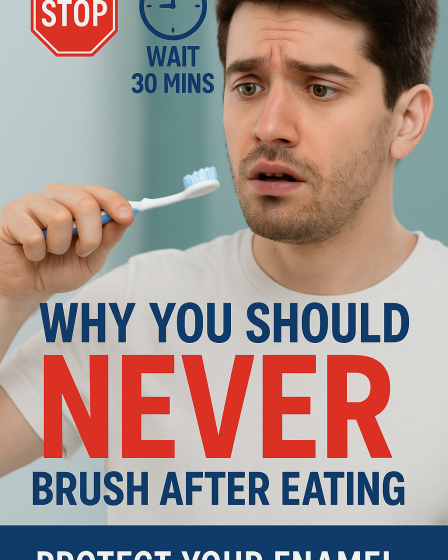
Why You Should Never Brush Immediately After Eating

Why You Should Never Brush Immediately After Eating – Protecting Your Enamel the Smart Way

If you’ve ever wondered why dentists tell you not to grab your toothbrush right after a meal—especially after something acidic—you’re not alone. Many people assume that brushing right away is the best way to stay cavity‑free. In reality, brushing immediately after eating can weaken and wear away your enamel over time, particularly after acidic foods and drinks.

At SmilePerfectors, we want you to feel confident about why you should never brush immediately after eating and what to do instead. Research shows that timing your brushing the right way can dramatically reduce enamel erosion and sensitivity. Below, you’ll learn exactly what happens to your teeth after you eat, what the studies say, and how to build a safe, dentist‑approved routine you can actually follow.

What Really Happens to Your Teeth Right After You Eat

If you’ve ever felt your teeth a little “fuzzy” or sensitive after a meal or a glass of orange juice, that’s not your imagination. Your mouth goes through a rapid chemical change every time you eat or drink.

Key takeaway: Right after eating—especially acidic foods—your enamel is softer and more vulnerable. This is when brushing can do more harm than good.

Your Mouth’s pH Drops After Eating

When you eat or drink, especially sugary or acidic items, the pH level in your mouth drops, becoming more acidic.

  • Research shows that after consuming acidic drinks like soda, wine, or citrus juice, your enamel begins to demineralize—meaning minerals like calcium and phosphate are pulled out of the tooth surface.
  • This softens the outer enamel layer for about 20–60 minutes.

During this time, your teeth are a bit like wet chalk—easier to wear down if you scrub them.

Saliva: Your Mouth’s Natural Repair System

It’s not all bad news. Your body has built‑in protection: saliva.

  • Studies indicate that saliva begins neutralizing acids within minutes and continues buffering for up to an hour.
  • As the pH rises again, minerals in saliva start to re‑enter the enamel, a process called remineralization.

Action step: After eating, give your saliva at least 30 minutes to do its job before brushing.

Why You Should Never Brush Immediately After Eating Acidic Foods or Drinks

It can feel wrong not to brush right away, especially if you care about your oral health. But with highly acidic foods and drinks, immediate brushing is risky.

Key takeaway: After acidic meals or drinks, brushing right away can actually brush away softened enamel, permanently thinning and weakening your teeth.

How Brushing Too Soon Damages Enamel

Dentists often compare this to scrubbing a softened surface with a stiff brush.

  • Research shows that when enamel is exposed to acid and then brushed within minutes, the outer surface experiences measurable erosion.
  • Studies on enamel samples have found that brushing within 30 minutes of an acid exposure significantly increases surface loss compared to waiting at least half an hour.

Over time, this can lead to:

  • Thinner enamel
  • Yellowing (as the underlying dentin shows through)
  • Increased sensitivity to hot, cold, sweet, or sour foods
  • Higher risk of cavities along weakened areas

Action step: If you’ve had something acidic, wait at least 30 minutes (ideally 45–60) before brushing.

Common Acidic Triggers That Make Immediate Brushing Riskier

You don’t need to avoid these completely, but you do need to time your brushing carefully after them:

  • Citrus fruits: oranges, grapefruits, lemons, lime water
  • Fruit juices: orange, apple, grape, lemonade
  • Soft drinks: regular and diet sodas
  • Sports and energy drinks
  • Wine: both red and white (white can be even more erosive)
  • Vinegar‑based foods: pickles, salad dressings
  • Tomatoes and tomato sauces
  • Sour candies and gummies

Action step: After consuming any of the above, rinse, rest, and then brush (more on how below).

Safety note:

Do not scrub vigorously or use a hard‑bristled toothbrush right after acidic meals. This combination can dramatically accelerate enamel wear and lead to long‑term sensitivity.

How Long Should You Wait Before Brushing After Eating?

This is one of the most common questions we hear at SmilePerfectors from patients who care about doing things “the right way.”

Key takeaway: Dentists recommend waiting at least 30 minutes before brushing after eating—especially after acidic or sugary foods and drinks.

What Studies and Dentists Recommend

Several clinical and laboratory studies have examined enamel loss under different conditions:

  • Studies indicate that enamel exposed to acid needs 30–60 minutes to reharden through saliva‑driven remineralization.
  • Research shows that brushing after 10–20 minutes causes significantly more enamel loss than brushing after 30 minutes or more.
  • Many dental associations and preventive dentistry guidelines now suggest a 30‑minute minimum wait after acidic exposures.

At SmilePerfectors, our dentists typically recommend:

  • Everyday meals (non‑acidic): Wait 20–30 minutes before brushing.
  • Acidic foods/drinks: Wait 30–60 minutes for safer brushing.
  • Nightly routine: If you had something acidic within the past 30 minutes, rinse well and wait before your final brushing.

Action step: Use 30 minutes as your standard waiting time after meals, and stretch it closer to 45–60 minutes after heavily acidic snacks or drinks.

What To Do Instead of Brushing Right After Eating

If you’re used to brushing immediately, it can feel strange to wait. Fortunately, there are safe, dentist‑approved steps you can take right away that still protect your teeth.

Key takeaway: Focus on rinsing, neutralizing, and protecting your enamel during the “waiting period.”

Step 1: Rinse with Plain Water

Simple, but powerful.

  • Research shows that rinsing with water helps wash away food particles and dilute acids in the mouth.
  • This supports your saliva and speeds up the return to a safe pH level.

Action step (right after eating):

  • Take a big sip of plain water.
  • Swish it around your mouth for 15–30 seconds.
  • Spit or swallow. Repeat once or twice if you’ve had something very acidic.

Step 2: Chew Sugar‑Free Gum

This is one of the easiest and most effective tricks to protect your teeth between meals.

  • Studies indicate that chewing sugar‑free gum for 10–20 minutes after eating can significantly increase saliva flow, helping neutralize acids and promote remineralization.
  • Many products use xylitol, a sugar substitute that may also help reduce cavity-causing bacteria.

Action step:

  • Keep sugar‑free gum (preferably xylitol‑containing) in your bag, desk, or car.
  • Chew a piece for 10–20 minutes after meals or snacks, especially when you can’t brush.

Safety note:

If you have jaw joint issues (TMJ/TMD), be cautious with gum chewing and consult your dentist before making it a daily habit.

Step 3: Let Your Mouth “Rest”

Sometimes the best thing you can do is nothing at all—mindfully.

  • Avoid snacking repeatedly during the waiting period, as that keeps the pH low.
  • Try not to sip on acidic drinks slowly over long periods; this prolongs the acid attack.

Action step:

  • After rinsing and/or chewing gum, avoid more food or acidic drinks for at least 30 minutes before brushing.
  • Stick to plain water during this time.

Building a Safe Brushing Routine Around Meals

Changing habits is easier when you have a clear, repeatable routine. Let’s break down how to safely time your brushing throughout the day.

Key takeaway: Brush twice a day with fluoride toothpaste, but schedule brushing so it’s not immediately after eating.

Morning Routine: Before or After Breakfast?

This is a big debate—and both can work if you’re mindful.

  1. Brushing Before Breakfast
    • Clears bacteria and plaque that built up overnight.
    • Leaves a protective fluoride layer on your teeth before you eat.

Action step:

  • Brush right after waking, then have breakfast.
  • If you drink orange juice or coffee afterward, just rinse with water, not brush again immediately.

2. Brushing After Breakfast

  • If you choose this, the timing is critical.
  • If breakfast includes citrus, juice, or fruit, your enamel will be softened briefly.

Action step:

  • Finish breakfast, rinse with water, and wait 30 minutes before brushing.
  • Use that time to get dressed, pack a bag, or do another part of your morning routine.

SmilePerfectors tip:

If you love citrus or juice in the morning, brushing before breakfast is usually the safer choice for your enamel.

Midday: After Lunch or Snacks

Most people can’t brush at work or school—and that’s okay.

Research shows that good twice‑daily brushing with fluoride is usually enough, as long as you’re not snacking constantly and you’re timing things wisely.

Action step (after lunch):

  • Rinse with water.
  • If possible, chew sugar‑free gum for 10–20 minutes.
  • Save brushing for when you get home, making sure it’s at least 30 minutes after your last food or drink.

Night Routine: Before Bed

This is non‑negotiable—but timing still matters.

  • Nighttime brushing is vital because saliva flow drops sharply during sleep, making your teeth more vulnerable.
  • Dentists recommend brushing right before bed and not eating or drinking (other than water) afterward.

Action step:

  • If your last snack or drink was acidic, rinse and wait 30 minutes, then brush.
  • Use a soft‑bristled toothbrush and a fluoride toothpaste.
  • Brush gently for two minutes, covering all surfaces.

Safety note:

Never go to bed without brushing, especially after sugary or acidic foods. This dramatically increases your risk of cavities and gum disease.

How To Protect Your Enamel Long‑Term

Understanding why you should never brush immediately after eating is one piece of the puzzle. Long‑term protection also depends on your daily habits and product choices.

Key takeaway: Combine smart timing with gentle technique, protective products, and regular dental care.

Use the Right Toothbrush and Brushing Technique

Even if you time your brushing perfectly, harsh brushing can still damage enamel and gums.

  • Dentists recommend using a soft or extra‑soft toothbrush.
  • Hard or medium bristles can create tiny abrasions in enamel and irritate gums.
  • Scrubbing back and forth aggressively increases the risk of tooth wear and recession.

Action step:

  • Hold your toothbrush with a light grip, not a tight fist.
  • Use gentle, circular motions at a 45‑degree angle to the gumline.
  • Brush for two minutes total, twice a day.

Choose a Fluoride Toothpaste Designed for Enamel Protection

What’s on your brush matters.

  • Studies indicate that fluoride toothpaste helps remineralize early enamel damage and strengthens teeth against acid attacks.
  • Toothpastes marketed for “enamel repair” or “strengthening” often contain optimized fluoride and other minerals.
  • For sensitive teeth, desensitizing toothpastes can help by blocking exposed tubules and easing discomfort.

Action step:

  • Use a fluoride toothpaste twice a day (a pea‑sized amount for adults).
  • If you have a history of enamel erosion or sensitivity, ask your SmilePerfectors dentist about a high‑fluoride prescription toothpaste.

Safety note:

Do not swallow large amounts of fluoride toothpaste, especially in children. Always supervise kids under 6 while brushing.

Limit “Sip All Day” Habits

Even if you’re waiting to brush, frequent acid exposure can still harm your enamel.

  • Sipping soda, energy drinks, or flavored waters slowly over hours keeps the pH in your mouth low.
  • Constant snacking gives bacteria a steady sugar supply.

Action step:

  • Keep acidic drinks and sweets to mealtimes, not all day.
  • Drink more plain water between meals.
  • If you do have acidic drinks, use a straw to reduce contact with teeth and rinse with water afterward.

Special Situations: When Waiting to Brush Is Even More Important

Some medical or lifestyle factors make your enamel more vulnerable. In these cases, waiting to brush and following protective steps is especially critical.

Key takeaway: If you have acid reflux, frequent vomiting, or certain diets, you must be extra cautious about not brushing immediately after acid exposure.

Acid Reflux, GERD, and Frequent Heartburn

Stomach acid is far more erosive than most foods.

  • Research shows that people with chronic acid reflux (GERD) have a significantly higher rate of enamel erosion, especially on the inner (palatal) surfaces of the teeth.
  • Brushing soon after a reflux episode can spread and scrub away already‑softened enamel.

Action step:

  • After a reflux episode, rinse gently with water or a baking soda solution (½ teaspoon baking soda in a glass of water) to help neutralize acid.
  • Wait at least 30–60 minutes before brushing.
  • Speak with your physician about managing reflux and inform your SmilePerfectors dentist about your condition.

Bulimia or Conditions Involving Frequent Vomiting

This can be a sensitive and emotional topic, and if this is your reality, you’re not alone. Many people are dealing with it quietly.

  • Stomach acid from vomiting is extremely damaging to enamel, especially on the back of the front teeth.
  • Studies indicate that immediate brushing after vomiting significantly worsens enamel erosion.

Action step:

  • After any vomiting episode, do not brush right away.
  • Rinse thoroughly with water or a baking soda solution to neutralize acid.
  • Wait at least one hour before brushing to allow enamel to reharden.

Safety note:

If you struggle with an eating disorder, please seek professional help. Protecting your oral health is important, but your overall health and well‑being matter even more.

Athletes and Fitness Enthusiasts

If you’re constantly sipping sports drinks or energy drinks, your enamel is under near‑constant acid attack.

  • Many sports drinks are both acidic and sugary.
  • Combine that with heavy mouth breathing during workouts (which dries the mouth), and the risk of erosion increases.

Action step:

  • When possible, hydrate with plain water.
  • If you use sports drinks, try to finish them in one sitting instead of sipping for hours, then rinse with water afterward.
  • Wait 30 minutes before brushing after workouts.

Frequently Asked Questions About Brushing After Eating

Here are some straightforward answers to the questions SmilePerfectors patients ask most often about why you should never brush immediately after eating.

1. Is it really bad to brush right after every meal?

If your meal was non‑acidic (for example, eggs, vegetables, cheese, or whole grains with water), brushing right after is less risky, but most dentists still recommend a short wait to allow saliva to begin rebalancing your mouth.

However, after acidic or sugary foods and drinks, brushing immediately can absolutely increase enamel wear.

Action step: As a general rule, aim for a 30‑minute wait after any meal before brushing. After acidic foods or drinks, treat that 30 minutes as a minimum.

2. What if I have bad breath and want to brush right away?

Bad breath can be uncomfortable and embarrassing, especially after certain meals.

Action options instead of immediate brushing:

  • Rinse with water.
  • Chew sugar‑free gum or use sugar‑free mints.
  • Use an alcohol‑free mouthwash if recommended by your dentist.

You can still brush—just time it safely.

Action step:

Handle breath concerns with water and gum first, then brush 30 minutes later using gentle technique and a soft brush.

3. Is using mouthwash immediately after eating safer than brushing?

It depends on the mouthwash.

  • Alcohol‑based or acidic mouthwashes can sometimes be harsh on already‑softened enamel.
  • Neutral or fluoride mouthwashes may help but shouldn’t replace brushing entirely.

Action step:

If you want to use mouthwash after eating, choose one that is alcohol‑free and fluoride‑containing. Swish gently, and still wait 30 minutes before you brush.

Safety note:

Do not rely on mouthwash alone for oral hygiene; it’s a supplement, not a replacement for proper brushing and flossing.

4. If I can’t brush at work or school, is my oral health doomed?

Not at all. With smart habits, you can protect your teeth very effectively.

Action step:

  • Rinse with water after meals or snacks.
  • Chew sugar‑free gum for 10–20 minutes.
  • Brush thoroughly morning and night with fluoride toothpaste.

This routine, combined with regular professional cleanings at SmilePerfectors, is enough for most people to maintain excellent oral health.

5. How do I know if my enamel is already damaged?

Some signs of enamel erosion include:

  • Increasing sensitivity to hot, cold, or sweet foods
  • Teeth that look more yellow or dull
  • Rounded or “cupped out” areas on tooth surfaces
  • Edges of teeth looking transparent or thin

Action step:

If you notice these changes, schedule an exam at SmilePerfectors. Research shows that early intervention can slow or even partly reverse minor enamel damage through remineralization therapies and habit changes.

Putting It All Together: A Simple Daily Plan

To make this practical, here’s how you might structure your day around why you should never brush immediately after eating:

  • Morning
  • Wake up → Brush with fluoride toothpaste
  • Eat breakfast → Rinse with water (no immediate re‑brushing, especially if acidic)
  • Midday
  • Eat lunch → Rinse with water, chew sugar‑free gum for 10–20 minutes
  • Avoid constant snacking and sipping acidic drinks
  • Evening
  • Eat dinner or snack → Rinse with water
  • Wait 30–60 minutes
  • Brush gently for two minutes, floss, and (if recommended) use a fluoride mouthwash before bed

Following this kind of plan gives you strong cavity prevention without putting your enamel at risk.

A Safer, Smarter Way to Care for Your Smile

Caring deeply about your oral health is a strength—not a problem. If you’ve been brushing immediately after every meal because you wanted to “do more,” you were acting out of good intentions. Now, with a better understanding of why you should never brush immediately after eating, especially after acidic foods and drinks, you can shift to a routine that protects your enamel instead of wearing it down.

To recap your most important action steps:

  • Wait at least 30 minutes after eating—especially after acidic items—before brushing.
  • Rinse with water, chew sugar‑free gum, and let your mouth rest during that waiting period.
  • Use a soft‑bristled toothbrush, fluoride toothpaste, and gentle technique.
  • Limit all‑day sipping of acidic drinks and constant snacking.
  • See your SmilePerfectors dentist regularly for personalized guidance and early detection of enamel changes.

Your teeth are meant to last a lifetime, and small, informed changes like these can make a real difference years down the road. If you’re unsure how this applies to your specific habits, medications, or medical conditions, the SmilePerfectors team is here to help you design a routine tailored to your smile.

With the right timing, tools, and support, you can keep your enamel strong, your teeth bright, and your smile confident—for the long term.

Key Takeaways

Why You Should Never Brush Immediately After Eating: Protecting Your Enamel the Smart Way

If you’ve ever finished a meal and thought, “I should brush right now to keep my teeth extra clean,” you’re not alone. Many people believe that brushing immediately after eating is the best way to prevent cavities and bad breath. However, research shows that brushing too soon can actually damage your enamel, especially after consuming acidic foods or drinks.

At SmilePerfectors, we want you to feel confident about your daily routine—not confused or guilty. If you’ve been brushing right after meals for years, don’t panic. You weren’t “doing it wrong”; you were doing your best with the information you had. Now, we’ll walk you through what the science says, what dentists recommend, and how to adjust your habits in a simple, realistic way.

Understanding Why You Should Never Brush Immediately After Eating

Many people worry that delaying brushing will lead to cavities. That fear is understandable. But studies indicate that timing matters just as much as frequency when it comes to brushing, especially after acidic meals or drinks.

When you eat or drink—particularly sugary or acidic items—your mouth becomes temporarily more acidic. This acidic environment softens your tooth enamel, making it more vulnerable to wear. Brushing right away can turn a helpful habit into something abrasive.

Key takeaway:

Wait before brushing after meals. Give your teeth time to “recover” so brushing helps, not harms.

How Acidic Foods and Drinks Affect Your Teeth

Research shows that acidic foods and beverages lower your mouth’s pH, which creates a less-friendly environment for your enamel. You don’t have to understand chemistry to protect your smile, but a basic idea helps.

Common acidic culprits

Dentists recommend paying particular attention to how often you consume:

  • Citrus fruits and juices – oranges, grapefruits, lemons, limes
  • Sodas and carbonated drinks – both regular and diet
  • Sports and energy drinks – often highly acidic even without sugar
  • Wine – especially white wine
  • Vinegar-based foods – pickles, salad dressings, sauces
  • Tomato products – pasta sauce, ketchup, some soups

Studies indicate that these foods and drinks can drop oral pH below the safe range (around 6.8–7.0). When that happens, minerals such as calcium and phosphate begin to diffuse out of the enamel surface. This early weakening is not visible to the naked eye, but it sets the stage for erosion.

What happens to your enamel in an acidic mouth

You can think of enamel like glass. It’s hard and protective, but it’s not indestructible. Under acidic conditions:

  • The surface layer temporarily softens
  • Mineral content near the surface decreases
  • The enamel becomes more vulnerable to scratching and abrasion

Important warning:

Brushing during this “softened” window can wear away enamel faster than normal, and enamel does not grow back.

Concrete takeaway:

If you regularly drink soda, citrus juices, or wine, be especially careful not to brush right afterward. Rinse with water instead and wait before brushing.

Why Brushing Immediately After Eating Can Harm Your Enamel

You might associate brushing with protection—and that’s true in most cases. But dentists recommend waiting at least 30 minutes after acidic meals or drinks before brushing. This is not a myth; it’s based on clinical research and professional guidelines.

Studies on post-meal brushing and enamel wear

Research shows that brushing immediately after acid exposure increases enamel loss compared with brushing after a delay. In several in vitro and in vivo studies, teeth that were exposed to acid and brushed right away experienced:

  • Thinner enamel layers over time
  • Increased surface roughness
  • Greater susceptibility to future erosion

The combination of softened enamel + mechanical brushing acts like sandpaper on a softened surface. Over months and years, that adds up to permanent damage.

Why “extra clean” can backfire

It’s natural to think: “If some brushing is good, more and faster brushing must be better.” But after acidic exposure, this logic doesn’t hold. You may feel like you’re doing your teeth a favor by scrubbing away acids and food debris, but you may actually be scrubbing away weakened enamel.

Safety-first warning:

If you often brush right after drinking soda, juice, wine, or coffee with sugar, you may be unintentionally accelerating enamel erosion and future tooth sensitivity.

Concrete takeaway:

Do not brush immediately after acidic meals or drinks. Instead, follow this pattern: rinse → wait (30–60 minutes) → brush gently with a soft-bristled brush.

The Role of Saliva: Your Natural Defense System

If you’ve ever wondered why dentists talk about dry mouth so much, this is why. Saliva is one of your mouth’s best natural protectors. It buffers acids, washes away food particles, and provides minerals your enamel can use for repair.

How long does saliva take to help?

Studies indicate that saliva needs about 30–60 minutes to:

  • Neutralize the acids produced by bacteria and food
  • Bring the mouth’s pH back toward normal
  • Begin the process of remineralization (putting minerals back into the enamel surface)

During this window, your enamel shifts from “softened and vulnerable” to “more stable and ready for brushing.” Dentists recommend working *with* this natural cycle instead of against it.

What affects your saliva’s protective power?

Several factors can reduce saliva’s ability to protect your teeth:

  • Dry mouth (xerostomia) from medications or medical conditions
  • Mouth breathing
  • Smoking or vaping
  • Dehydration
  • Frequent snacking or sipping throughout the day

If any of this sounds familiar, it doesn’t mean your teeth are doomed. It simply means you should be extra careful about not brushing immediately after eating and consider strategies to support saliva flow (like drinking water regularly and chewing sugar-free gum).

Concrete takeaway:

After meals, give your saliva at least 30 minutes to do its job before brushing. During that time, drink water and, if appropriate, chew sugar-free gum to support natural remineralization.

Safe Alternatives Right After Eating

You might be thinking, “If I shouldn’t brush, what *can* I do right after I eat?” You still have several safe, dentist-approved options that protect your teeth while your enamel recovers.

1. Rinse with water

Research shows that simply rinsing with plain water after eating or drinking:

  • Helps wash away food particles
  • Dilutes sugars and acids
  • Supports a faster return to normal mouth pH

This is an easy, no-cost habit you can start immediately. Just swish water around your mouth for 10–15 seconds and swallow or spit.

Concrete takeaway:

Make it a habit to drink or rinse with water right after finishing a meal, snack, or acidic drink.

2. Use a fluoride mouth rinse (at the right time)

Fluoride is well-studied and widely recommended by dental professionals. Studies indicate that fluoride helps strengthen enamel and makes it more resistant to acid attacks. Using a fluoride rinse can help protect your teeth in the period between eating and brushing.

However, timing and usage matter:

  • Use an alcohol-free fluoride mouthwash to avoid dryness
  • Swish for the full recommended time on the label (usually 30–60 seconds)
  • Avoid rinsing again with water immediately afterward, so fluoride can work longer

Safety-first warning:

Do not allow young children to swallow fluoride rinses. Always supervise kids and store mouthwash safely out of reach.

Concrete takeaway:

If you want extra protection after meals, use an alcohol-free fluoride rinse according to label directions, then wait at least 30 minutes before brushing.

3. Chew sugar-free gum

Dentists often recommend sugar-free gum—especially those containing xylitol—because studies show it stimulates saliva flow, which:

  • Speeds up acid neutralization
  • Helps wash away food debris
  • Supports enamel remineralization

Xylitol specifically has been associated with a reduced risk of cavities because it interferes with the growth of certain cavity-causing bacteria.

Safety-first warning:

Xylitol can be extremely toxic to dogs. Keep gum out of reach of pets and never share.

Concrete takeaway:

Chew sugar-free gum (preferably with xylitol) for 10–20 minutes after meals if you can’t brush right away and have no jaw or TMJ issues.

4. Choose protective snacks when possible

If you’re going to snack, some choices are less harmful for your teeth than others. Research shows that dairy products like cheese and yogurt can help neutralize acids and provide calcium and phosphate for enamel.

Better snack options for your teeth include:

  • Cheese cubes or string cheese
  • Plain yogurt (without added sugar)
  • Raw vegetables like carrots or celery
  • Nuts (if you can chew them comfortably)

Concrete takeaway:

When you snack, include tooth-friendly options like cheese or veggies and avoid repeated grazing on sugary or acidic items throughout the day.

How Long Should You Wait to Brush After Eating?

You might be looking for a simple rule you can remember and actually follow in daily life. Dentists recommend waiting at least 30 minutes after eating before brushing, and in some cases up to 60 minutes—especially after highly acidic meals or drinks.

General waiting guidelines

Use these time frames as a practical guide:

– After regular meals (not very acidic):

→ Wait 30 minutes before brushing

– After acidic foods or drinks (soda, citrus, wine, sports drinks):

→ Wait 45–60 minutes for safer brushing

– Before bedtime:

→ Finish eating and drinking (besides water) at least 30–60 minutes before your final brush

Studies indicate that this waiting period allows your saliva to buffer acids and begin remineralization, so your enamel is more resilient when you brush.

What if you can’t wait that long?

Life isn’t always ideal. Sometimes you have to brush sooner because you’re leaving the house, going to work, or heading to bed. In those cases:

  • Rinse thoroughly with water first
  • If available, use a fluoride rinse
  • Choose a soft-bristled brush and use gentle strokes
  • Use a low-abrasive toothpaste (often labeled as such or marketed for sensitive teeth)

Concrete takeaway:

Aim for a 30–60 minute waiting period after meals before brushing. If that’s impossible, prioritize gentle brushing with a soft brush and water rinsing beforehand.

The Importance of a Soft-Bristled Toothbrush

You may associate firmness with effectiveness—“harder brush, better clean.” But research shows that soft-bristled toothbrushes are safer for enamel and gum tissue, especially when brushing after meals.

Why dentists recommend soft bristles

Studies indicate that medium and hard bristles:

  • Increase abrasion of enamel
  • Contribute to gum recession over time
  • Are not significantly better at plaque removal than soft bristles when used properly

On the other hand, soft-bristled brushes:

  • Are gentler on enamel and exposed root surfaces
  • Still remove plaque effectively with the right technique
  • Are particularly important if you have sensitive teeth or a history of enamel erosion

Safety-first warning:

Avoid using hard-bristled toothbrushes, especially after meals. They can accelerate enamel wear and gum recession, leading to long-term sensitivity.

Technique matters as much as timing

Even with the right brush, aggressive “scrubbing” can be harmful. Dentists recommend:

  • Holding the brush at a 45-degree angle to the gumline
  • Using small, gentle circular motions
  • Avoiding back-and-forth sawing motions
  • Brushing for 2 minutes, twice a day

Concrete takeaway:

Switch to a soft-bristled toothbrush if you haven’t already, and focus on gentle technique—especially when brushing after the recommended waiting period post-meal.

Long-Term Risks of Brushing Immediately After Eating

If you’ve been brushing right after meals for years, you may be wondering about potential long-term effects. Not everyone will have the same outcome, but studies indicate repeated acid + brushing combinations increase your risk of enamel erosion and sensitivity over time.

1. Enamel thinning

Enamel is the hard outer shell of your tooth, and it does not regenerate. Once it’s worn away, it’s gone for good. Brushing repeatedly on softened enamel can cause:

  • Visible enamel thinning over many years
  • Smooth, shiny areas that look “worn”
  • Increased risk of chipping or cracking

Dentists sometimes see this in patients who are meticulous about oral hygiene but brush too frequently or too soon after acidic foods.

2. Tooth sensitivity

As enamel thins, the underlying dentin layer becomes more exposed, and with it, the tiny tubules that communicate with the nerve of the tooth. This can cause:

  • Sharp pain when eating or drinking something cold or hot
  • Discomfort with sweet foods
  • Sensitivity when breathing in cold air

Patients often interpret this as “I must have a cavity,” but sometimes the real problem is erosion and abrasion, not decay.

3. Increased risk of tooth damage and restorations

Over time, excessive wear on softened enamel can lead to:

  • The need for fillings, bonding, or veneers to rebuild worn surfaces
  • Shortened teeth or changes in bite alignment in severe cases
  • Increased likelihood of needing more complex and costly dental work

Safety-first warning:

If you notice persistent sensitivity, visible wear, or changes in the shape of your teeth, avoid brushing immediately after eating and schedule an evaluation with your dentist. Ignoring these signs can allow damage to progress.

Concrete takeaway:

Protect your future smile by changing your routine now: avoid immediate post-meal brushing, use soft bristles, and talk to your dentist if you notice sensitivity or wear.

How to Build a Tooth-Friendly Daily Routine

Knowing *why* you should never brush immediately after eating is only part of the solution. You also need a clear, realistic routine you can actually follow. Here’s an example schedule that incorporates dentist-backed recommendations.

Morning routine

  1. Upon waking
    • Rinse with water
    • Brush with a fluoride toothpaste and soft-bristled brush (before breakfast if possible)
  2. After breakfast
    • Rinse with water
    • If you had something acidic (juice, fruit, coffee with sugar), wait 30–60 minutes before any additional brushing

Midday routine

  • After lunch or snacks:
  • Rinse with water
  • Chew sugar-free gum if appropriate
  • Brush later if you’re able, making sure at least 30 minutes have passed

Evening routine

  1. After your last meal or snack
    • Finish eating at least 30–60 minutes before bed
    • Rinse with water
  2. Before bed
    • Brush gently with a soft-bristled brush and fluoride toothpaste
    • Consider using a fluoride rinse if recommended by your dentist
    • Do not eat or drink anything other than water afterward

Concrete takeaway:

Design a simple routine that fits your lifestyle: focus on brushing twice daily with proper timing, and use water rinsing and sugar-free gum to bridge the gap after meals.

When to Talk to a Dentist About Enamel Erosion

You don’t need to diagnose yourself—that’s what your dental team is for. But it helps to know when to bring up concerns. Dentists recommend scheduling an evaluation if you notice:

  • Increased tooth sensitivity to cold, heat, or sweets
  • Yellowing of teeth that doesn’t respond to cleaning (often underlying dentin showing)
  • Rounded or “cupped out” areas on tooth surfaces
  • Cracks or chips that seem to appear without major trauma
  • Gum recession or teeth that look longer than before

At SmilePerfectors, we use clinical exams, your history, and sometimes imaging to distinguish between cavities, erosion, abrasion, and other conditions. We can also recommend targeted solutions: fluoride treatments, desensitizing products, protective restorations, or night guards if grinding is a factor.

Safety-first warning:

Do not self-treat ongoing sensitivity or visible wear with aggressive whitening or home remedies. Some products can worsen enamel damage or irritation if used without professional guidance.

Concrete takeaway:

If you’re worried about enamel wear or sensitivity, don’t wait. Bring it up at your next appointment or schedule a consultation so a dentist can give you specific, personalized advice.

FAQ: Why You Should Never Brush Immediately After Eating

1. Is it really bad to brush my teeth right after I eat?

Research shows that brushing immediately after eating—especially after acidic meals or drinks—can increase enamel wear. Waiting 30–60 minutes allows saliva to neutralize acids and harden enamel, so brushing is safer and more effective.

Action step:

Avoid brushing right away. Rinse with water, wait at least 30 minutes, then brush gently with a soft-bristled brush.

2. What if my mouth feels dirty after eating and I want fresh breath?

That feeling is very common, and you don’t have to choose between freshness and protection. Instead of brushing immediately:

  • Rinse with water
  • Chew sugar-free gum
  • Use a non-alcohol mouth rinse if needed

Action step:

Create a small “freshness kit” (water bottle, sugar-free gum, travel rinse) for use after meals when you’re away from home.

3. Does this apply even if I only ate something non-acidic, like bread or rice?

While the risk is highest after acidic foods and drinks, any meal can lower pH and feed bacteria that produce acids. Dentists still recommend a short waiting period before brushing to let saliva do its job.

Action step:

Make the 30-minute wait your default, regardless of what you ate, unless your dentist gives you different instructions.

4. I drink coffee in the morning. When should I brush?

If possible, brush before coffee to remove overnight plaque. After coffee:

  • Rinse with water
  • Wait about 30 minutes before any additional brushing, especially if you add sugar or flavorings

Action step:

Try shifting your routine so you brush right after waking, then enjoy coffee afterward.

5. How can I protect my teeth if I sip soda or iced coffee throughout the day?

Frequent sipping keeps your mouth in a more acidic state for longer periods. Studies indicate this pattern significantly increases erosion and cavity risk.

Action step:

Limit sipping time by:

  • Drinking with meals rather than all day
  • Using a straw to reduce direct contact with teeth
  • Rinsing with water afterward
  • Waiting 30–60 minutes before brushing

6. Do electric toothbrushes change the “no brushing right after eating” rule?

No. While many electric brushes are designed to be gentle and effective, they still apply mechanical force to enamel. The rule about waiting after meals applies regardless of whether you use a manual or electric brush.

Action step:

If you use an electric brush, choose a soft or extra-soft head and use the built-in pressure sensor or light touch to avoid over-scrubbing—especially after meals.

7. My teeth are already sensitive. Will adjusting my brushing timing help?

Yes, many patients with sensitivity notice improvement when they:

  • Stop brushing immediately after eating
  • Switch to soft-bristled brushes
  • Use fluoride and desensitizing toothpastes

Action step:

Adjust your routine for at least 4–6 weeks and discuss sensitivity with your dentist, who may recommend additional in-office treatments.

A Healthier Way to Care for Your Smile

You care about your teeth—that’s why you’re reading about why you should never brush immediately after eating. Feeling worried or surprised by this information is completely normal, especially if you’ve worked hard to maintain a strict brushing routine.

The encouraging news is that a few simple changes can dramatically improve your enamel’s long-term health:

  • Rinse with water after meals instead of brushing right away
  • Wait 30–60 minutes before brushing, especially after acidic foods and drinks
  • Use a soft-bristled brush and gentle technique
  • Support your natural defenses with saliva-friendly habits like drinking water and chewing sugar-free gum

At SmilePerfectors, our goal is not to make you feel judged, but to give you clear, evidence-based tools to protect your smile for life. You don’t have to be perfect to make meaningful progress. Start with one small change today—like rinsing with water after lunch or switching to a soft brush—and build from there.

Your enamel can’t grow back, but you can protect what you have starting now. Your future self—and your future smile—will thank you.

How Acidic Foods Soften Tooth Enamel

How Acidic Foods Soften Tooth Enamel – Protecting Your Smile with SmilePerfectors

If you’ve ever worried that your love of lemon water, soda, or sparkling drinks might be hurting your teeth, you’re not alone. Many patients at SmilePerfectors ask how acidic foods soften tooth enamel and what they can realistically do about it without giving up everything they enjoy.

Research shows that even healthy choices like citrus fruits and flavored seltzers can gradually weaken enamel if you’re not careful. The good news: once you understand how acidic foods soften tooth enamel, you can make small, smart changes that dramatically reduce the damage.

Key takeaway: You don’t have to be perfect. You just need a clear plan to limit acid exposure, protect your enamel, and build habits that support long-term dental health.

What Is Tooth Enamel and Why Does It Matter?

Tooth enamel is the hard, outer shell that protects the inner layers of your teeth. It’s made mostly of minerals (about 96% hydroxyapatite, a crystalline form of calcium and phosphate).

Tooth enamel is a mineral-rich outer shell—about 96% hydroxyapatite—protecting the tooth’s inner layers.

  • Enamel has no living cells, so it can’t “grow back” once it’s gone.
  • It can, however, remineralize (re-harden) to a point if the damage is early and the environment in your mouth is supportive.

Studies indicate that enamel is the hardest substance in the human body, even harder than bone. Yet, despite its strength, it’s surprisingly vulnerable to acids.

Actionable takeaway: Think of enamel as a shield. Your daily choices either strengthen that shield (with good habits and minerals) or slowly thin it (with frequent acid attacks).

How Acidic Foods Soften Tooth Enamel: The Science in Simple Terms

When dentists talk about how acidic foods soften tooth enamel, we’re really talking about what happens to the pH balance in your mouth and how that affects your enamel’s minerals.

The Role of pH and Demineralization

Your mouth has a natural pH balance, usually around 6.8–7.0 (neutral to slightly acidic). When you consume acidic foods or drinks, that pH drops, sometimes very quickly.

Research shows:

  • Critical pH for enamel is around 5.5.
  • Below this level, the minerals in enamel (calcium and phosphate) begin to dissolve.
  • This early process is called demineralization.

Common acidic culprits include:

  • Citrus fruits: oranges, lemons, limes, grapefruits
  • Carbonated drinks: regular and diet sodas, sparkling waters with citric acid
  • Sports and energy drinks
  • Wine (especially white wine)
  • Vinegar-based foods and dressings

When you sip or snack on these repeatedly, you give acid more time to interact with enamel. Studies indicate that frequent exposure is more harmful than an occasional treat, even if the total amount is the same.

Actionable takeaway: It’s not just *what* you eat and drink; it’s *how often* and *how you consume them*. Reducing the frequency of acid exposure can significantly protect your enamel.

Step-by-Step: What Happens to Your Enamel During an Acid Attack

To make sense of how acidic foods soften tooth enamel, it helps to picture the process in stages.

Stage 1: Acid Exposure and pH Drop

Right after you consume something acidic:

  • The pH in your mouth drops quickly.
  • Enamel surface begins to soften as minerals dissolve from the outermost layer.

Research shows that this softened state can last for 30 minutes to an hour after an acid exposure, depending on your saliva flow and habits.

Actionable takeaway: After acidic foods or drinks, your enamel is temporarily softer and more vulnerable. The next 30–60 minutes are critical.

Stage 2: Softened Enamel Becomes Vulnerable

In this softened phase:

  • Enamel is more vulnerable to abrasion (physical wear), especially from tooth brushing or grinding.
  • The surface can become rougher, which may trap more plaque and stain more easily.
  • Repeated episodes of softening and wear gradually thin the enamel.

Studies indicate that brushing immediately after acid exposure can increase enamel loss because you’re essentially scrubbing the softened surface.

Important warning:

Do NOT brush your teeth right after consuming acidic foods or drinks. Wait at least 30 minutes to allow enamel to reharden.

Actionable takeaway: After acidic exposure, think “rinse and wait”, not “brush now.” This protects softened enamel from extra damage.

Stage 3: Repeated Exposure and Long-Term Erosion

When acid attacks happen repeatedly throughout the day—say, frequent sips of soda at your desk or constant lemon water between meals—the enamel doesn’t get enough time to recover.

Over months and years, this can lead to dental erosion, a permanent loss of enamel.

Signs of enamel erosion include:

  • Increased sensitivity to cold, hot, or sweet foods
  • Teeth that look yellowish (the underlying dentin shows through)
  • Rounded or “cupped” edges on teeth
  • Small pits or dents on chewing surfaces
  • Shiny, smooth areas where enamel has thinned

Studies indicate that people who frequently consume acidic drinks (including diet soda and sports drinks) have a significantly higher risk of visible enamel erosion.

Actionable takeaway: If you notice increased sensitivity, color changes, or “flattened” teeth, ask a SmilePerfectors dentist to evaluate you for enamel erosion before it progresses further.

Acidic Foods Soften Tooth Enamel: Most Common Everyday Sources

You don’t need to memorize pH charts, but having a basic idea of which items are more erosive helps. Research shows that the combination of low pH and chelating acids (like citric acid) is particularly harmful.

Drinks That Soften Enamel

  • Sodas (regular and diet) – Often highly acidic with pH as low as 2–3.
  • Sports and energy drinks – Many contain citric acid and sugar or artificial sweeteners.
  • Flavored sparkling waters – Those with citric acid can still lower pH significantly.
  • Fruit juices – Orange, grapefruit, cranberry, and apple juices are acidic.
  • Wine – Especially white wine, which tends to be more erosive.

Foods That Soften Enamel

  • Citrus fruits – Lemons, limes, grapefruit, oranges (especially frequent sucking on slices).
  • Pickles and vinegar-based foods – Pickled vegetables, salad dressings, sauces.
  • Tomato-based products – Tomato sauce, ketchup.
  • Sour candies – Highly acidic and often sticky, prolonging contact.

Important warning:

Constant sipping or snacking on acidic items throughout the day is far more damaging than having them once with a meal.

Actionable takeaway: If you enjoy acidic foods and drinks, have them with meals, not as all-day sips or snacks. This reduces how often your enamel is under acid attack.

What Happens After Acid Exposure: Demineralization vs. Remineralization

Your mouth isn’t defenseless. Saliva plays a critical role in how acidic foods soften tooth enamel and how the damage can sometimes be reversed in early stages.

Demineralization: Mineral Loss

  • Acid lowers pH, causing enamel minerals to dissolve out.
  • This creates weak spots and early enamel lesions (white chalky areas or roughness).
  • Left unchecked, it can progress to erosion and eventually cavities.

Remineralization: Mineral Repair

  • When pH rises again (thanks to saliva, water rinsing, or neutralizing foods), minerals like calcium and phosphate can re-deposit into enamel.
  • Fluoride from toothpaste, mouth rinses, or professional treatments helps pull minerals back into the tooth and make the enamel more acid-resistant.

Studies show that fluoride can’t only slow enamel breakdown but also promote remineralization of early enamel lesions, especially when combined with adequate saliva flow.

Actionable takeaway: Your daily routine should support more remineralization than demineralization. That means managing acid exposure, using fluoride, and staying hydrated to keep saliva flowing.

Why Your Saliva Is a Powerful Enamel Protector

Saliva is one of your best natural defenses against acid damage.

Research shows that saliva helps by:

  • Neutralizing acids and raising pH back toward neutral
  • Providing calcium and phosphate for remineralization
  • Washing away food particles and residual acids
  • Forming a thin protective film (the acquired pellicle) on enamel

If you have dry mouth (from medications, medical conditions, smoking, or dehydration), your risk of erosion and decay increases significantly.

Common causes of dry mouth:

  • Antidepressants, anti-anxiety meds, antihistamines, blood pressure medications
  • Autoimmune conditions like Sjögren’s syndrome
  • Cancer treatments such as radiation to the head and neck
  • Smoking or vaping
  • Not drinking enough water

Important warning:

If your mouth often feels dry, sticky, or you need water constantly to swallow, don’t ignore it. Chronic dry mouth can accelerate enamel erosion and cavities. Speak with a dentist promptly.

Actionable takeaway: Support your saliva by staying hydrated, limiting alcohol and tobacco, and talking to your SmilePerfectors dentist about dry mouth solutions if needed.

How to Protect Enamel Right After Eating Acidic Foods

You don’t have to give up acidic foods completely. But how you react immediately after eating or drinking them makes a big difference in how acidic foods soften tooth enamel over time.

Step 1: Rinse, Don’t Brush

Right after acidic exposure:

  • Rinse your mouth with plain water.
  • Swish for 20–30 seconds, then spit or swallow.
  • If available, a fluoride mouth rinse can add extra protection.

Dentists recommend waiting at least 30 minutes before brushing to allow enamel to reharden. Studies indicate that delaying brushing significantly reduces abrasion of softened enamel.

Actionable takeaway: Make it a habit: acidic drink → water rinse → wait 30+ minutes → then brush.

Step 2: Use Chewing Gum the Smart Way

Sugar-free gum, especially with xylitol, stimulates saliva flow, which helps neutralize acid faster.

  • Chew for about 10–20 minutes after meals.
  • Choose gum with xylitol (a sugar substitute that doesn’t feed cavity-causing bacteria).

Studies show that xylitol gum can reduce cavity-causing bacteria and support a healthier oral environment.

Important warning:

Avoid sugar-containing gum or candies after acidic drinks or foods. They prolong acid exposure and increase cavity risk.

Actionable takeaway: Keep xylitol gum in your bag or desk as a simple tool to speed up acid clearance after meals.

Step 3: Time Your Brushing and Toothpaste Choice

When you do brush:

  • Use a soft-bristled toothbrush.
  • Choose a fluoride toothpaste (1,000–1,500 ppm fluoride for most adults).
  • Use gentle, small circular motions rather than scrubbing hard.

Dentists recommend brushing:

  • Twice daily (morning and night)
  • At least 30 minutes after consuming acidic foods or drinks

Actionable takeaway: Combine gentle technique + fluoride toothpaste + correct timing to protect softened enamel instead of wearing it away.

Building Daily Habits to Reduce Enamel Erosion

Understanding how acidic foods soften tooth enamel is only useful if you can turn it into practical daily habits.

Smart Drinking Habits

To limit contact between acids and your teeth:

  • Use a straw for acidic drinks (especially sodas, sports drinks, and juice). Aim the straw toward the back of your mouth.
  • Don’t sip for hours. Try to finish acidic drinks within a limited time instead of nursing them all day.
  • Choose water as your go-to beverage between meals.

Studies indicate that high-frequency consumption of acidic drinks is one of the strongest predictors of dental erosion in both teens and adults.

Actionable takeaway: Reserve acidic drinks for mealtimes, use a straw, and switch to plain water as your default drink during the rest of the day.

Food Pairing to Help Neutralize Acid

You can make acidic foods less harmful by pairing them with more neutral or protective options.

Better combinations:

  • Citrus fruit with yogurt instead of alone
  • Tomato-based dishes alongside cheese or milk
  • Vinegary salads eaten with bread or protein, not on an empty stomach

Dairy products like milk, cheese, and yogurt provide calcium and phosphate, which help buffer acids and support remineralization.

Actionable takeaway: When you eat acidic foods, pair them with dairy or other non-acidic items to reduce their erosive punch.

Fluoride: Your Enamel’s Best Ally

When we talk about preventing how acidic foods soften tooth enamel, fluoride always comes up—for good reason.

How Fluoride Protects Enamel

Research shows that fluoride:

  • Helps rebuild weakened enamel by attracting calcium and phosphate back into the tooth.
  • Forms a more acid-resistant compound called fluorapatite.
  • Slows down the activity of bacteria that contribute to decay.

Sources of fluoride include:

  • Fluoride toothpaste (most common and widely recommended)
  • Fluoridated water (in many communities)
  • Professional fluoride treatments (gels, foams, or varnishes applied at the dental office)
  • Fluoride mouth rinses for additional daily protection

Dentists recommend fluoride toothpaste for almost everyone, and professional fluoride treatments for patients at higher risk of erosion or cavities.

Important warning:

Do not swallow fluoride products, especially children’s toothpaste or professional gels. Use only a pea-sized amount of fluoride toothpaste for children, and supervise brushing.

Actionable takeaway: Make fluoride part of your daily routine and ask your SmilePerfectors dentist if you could benefit from professional fluoride treatments due to acid exposure.

Professional Treatments to Fight Enamel Erosion

If you’re already seeing signs that acidic foods have softened your tooth enamel, you’re not out of options. SmilePerfectors offers treatments to protect and strengthen remaining enamel.

Remineralization and Desensitizing Treatments

Dentists may recommend:

  • High-fluoride toothpaste or gels for home use
  • In-office fluoride varnish applications several times a year
  • Desensitizing agents to block exposed tubules and reduce sensitivity
  • Calcium-phosphate products (like CPP-ACP creams) to boost remineralization in at-risk areas

Studies indicate that these products can significantly reduce sensitivity and support remineralization of early enamel lesions when used consistently.

Actionable takeaway: If you have sensitivity or visible wear, ask your dentist about remineralizing treatments that go beyond standard toothpaste.

Restorative Options When Enamel Loss Is Moderate to Severe

When enamel loss is more advanced, conservative restorations can protect your teeth and improve comfort and appearance.

Common options include:

  • Dental bonding: Tooth-colored resin applied to rebuild worn edges or surfaces.
  • Veneers: Thin porcelain or composite shells placed on the front of teeth.
  • Crowns: For severely worn or cracked teeth where more coverage is needed.

Dentists aim to preserve as much natural tooth as possible while rebuilding form and function. Studies support the use of minimally invasive restorations to manage erosion while maintaining tooth structure.

Important warning:

Delaying treatment for advanced erosion can lead to cracked teeth, nerve involvement, and more complex (and expensive) procedures. Don’t wait if your dentist recommends intervention.

Actionable takeaway: If your SmilePerfectors dentist identifies moderate or severe erosion, discuss restorative options early to prevent further damage and protect your bite.

Frequently Asked Questions About How Acidic Foods Soften Tooth Enamel

1. How exactly do acidic foods soften tooth enamel?

Acidic foods and drinks lower the pH in your mouth below the critical level of about 5.5. At this point, enamel minerals (calcium and phosphate) begin to dissolve out of the tooth surface, making it softer and more vulnerable.

Research shows that repeated acid exposures, especially when combined with brushing too soon afterward, significantly increase enamel wear and erosion over time.

Actionable takeaway: Limit how often your teeth are exposed to acids, and always wait before brushing after having something acidic.

2. Can softened enamel “harden” again?

Yes—to a point. If erosion is in its early stages, your body can repair some of the damage through remineralization as long as:

  • Saliva flow is healthy
  • You’re using fluoride
  • You’re not constantly re-exposing your teeth to acids

However, once enamel is significantly thinned or lost, it doesn’t grow back. At that stage, only dental treatment can restore function and appearance.

Actionable takeaway: The earlier you address enamel softening, the more you can support natural remineralization and avoid invasive treatment.

3. Are diet sodas safer for enamel than regular sodas?

Not really. While diet sodas don’t contain sugar, most still have a low pH and often contain citric or phosphoric acid, which can erode enamel.

Studies indicate that the erosive potential of diet sodas can be similar to, or in some cases even greater than, that of sugared sodas. The main difference is cavity risk, not erosion risk.

Actionable takeaway: Treat all sodas—diet or regular—as acidic drinks, and follow the same precautions: limited frequency, using a straw, and rinsing with water afterward.

4. Is sparkling water bad for my teeth?

Plain sparkling water is usually less erosive than soda or juice, but flavored varieties often contain added acids (like citric acid) that can lower pH significantly.

Research shows that unflavored carbonated water has mild acidity but generally poses a lower risk than sugar-sweetened or strongly acidic beverages. The risk increases with flavoring additives and constant sipping.

Actionable takeaway: Prefer plain sparkling water over flavored varieties, avoid all-day sipping, and treat strongly flavored varieties more like a soft drink than plain water.

5. I drink lemon water every morning. Is that a problem?

Lemon water is popular for wellness routines, but lemon juice is highly acidic. Daily exposure, especially if you sip slowly or hold it in your mouth, can contribute to enamel softening and erosion.

Dentists recommend:

  • Diluting lemon juice in more water
  • Drinking it in one sitting (not over hours)
  • Using a straw
  • Rinsing with plain water afterward
  • Waiting before brushing

Actionable takeaway: If you love lemon water, dilute, use a straw, and don’t sip all morning. Protect your enamel while keeping the habit you enjoy.

6. How can I tell if acidic foods have already damaged my enamel?

Common signs include:

  • Tooth sensitivity to hot, cold, or sweet foods
  • Teeth that look more yellow or dull
  • Rounded edges or “shorter” looking teeth
  • Smooth, shiny worn areas or small indentations on the chewing surfaces

A complete exam at SmilePerfectors can confirm whether these changes are due to erosion, grinding, cavities, or a combination of factors.

Actionable takeaway: If you notice sensitivity or visible changes, schedule a professional evaluation rather than guessing the cause.

7. Can I completely reverse the effects of acidic foods on my teeth?

You can slow, stop, and sometimes partially reverse early effects through:

  • Fluoride use
  • Dietary changes
  • Improved habits (timing, rinsing, avoiding brushing right after acids)
  • Saliva support

But once enamel is visibly thinned or structurally damaged, dentists must restore it with materials like bonding, veneers, or crowns.

Actionable takeaway: Focus on prevention and early intervention. Don’t wait until you’re in pain or see obvious damage.

Putting It All Together: A Simple Daily Plan

Here is a practical way to use everything you’ve learned about how acidic foods soften tooth enamel:

Morning

  • If you drink coffee, tea, or citrus-based drinks:
  • Finish within a reasonable time, don’t sip for hours.
  • Rinse with water afterward.
  • Wait 30+ minutes, then brush with fluoride toothpaste.

During the Day

  • Choose water as your main drink.
  • Limit acidic beverages and use a straw when you do have them.
  • Have acidic foods and drinks with meals, not alone.
  • Chew sugar-free xylitol gum after meals if you’re able.

Evening

  • Brush gently for 2 minutes with a soft brush and fluoride toothpaste.
  • Consider a fluoride mouth rinse if your dentist recommends it.
  • Avoid going to bed right after an acidic snack or drink without at least rinsing thoroughly with water.

Actionable takeaway: Pick one or two changes from this list to start today (such as rinsing with water after acid exposure and waiting before brushing), then add more over time. Small steps can significantly improve enamel protection.

Moving Forward: You Can Protect Your Enamel

Understanding how acidic foods soften tooth enamel doesn’t mean you must fear every sip of juice or every bite of citrus. It means you now have the knowledge to protect your teeth while still enjoying the foods and drinks you love.

Research shows that consistent, realistic habits—like limiting acidic exposures, using fluoride, and supporting saliva—are far more powerful than “all-or-nothing” approaches. Dentists at SmilePerfectors see patients turn their enamel health around every day with simple, steady changes.

If you’re worried about sensitivity, enamel wear, or your daily drink choices, you’re not overreacting—your concerns are valid, and they’re worth addressing now rather than later.

At SmilePerfectors, we’re here to:

  • Assess your current enamel health
  • Help you understand your personal risk from acidic foods and drinks
  • Create a customized prevention and treatment plan that fits your lifestyle

You don’t need a perfect history to have a healthy smile going forward. With the right guidance and a few new habits, you can protect your enamel, reduce sensitivity, and keep your smile strong for years to come.

Brushing Right Away Can Abrade Weakened Enamel

Brushing Right Away Can Abrade Weakened Enamel

Many people wonder if they should brush immediately after eating to keep their teeth extra clean. At SmilePerfectors, we understand the urge to grab your toothbrush right away—especially after a sugary snack or acidic drink. However, research shows that brushing too soon after meals can actually damage your enamel instead of protecting it.

Dentists recommend a short waiting period after eating, especially after acidic foods or drinks, to give your enamel time to recover. In this guide, you’ll learn exactly why that wait matters, what to do instead, and how to keep your smile strong and healthy without sacrificing freshness.

Why Brushing Right Away Can Abrade Weakened Enamel

After you eat or drink—especially anything acidic, like soda, citrus, wine, or sports drinks—your mouth becomes more acidic for a short time. Studies indicate that this acidic environment temporarily softens the outer layer of your teeth, called enamel.

When enamel is softened, it’s more vulnerable to wear. If you brush vigorously during this softened phase, you risk scrubbing away tiny amounts of enamel over time.

Key takeaway: Don’t rush to brush immediately after meals, especially acidic ones. Give enamel time to reharden before using your toothbrush.

How Acid Weakens Enamel (In Simple Terms)

You don’t need a dental degree to understand what’s happening in your mouth. Here’s what research shows in clear, everyday language:

  • When you consume acidic foods or drinks, the pH level in your mouth drops.
  • This low pH can start to dissolve minerals (like calcium and phosphate) from the enamel surface.
  • Over time, frequent acid attacks plus aggressive brushing can lead to visible enamel erosion.

Studies indicate that this erosion isn’t just cosmetic; it can cause sensitivity, increased cavity risk, and changes in the shape and color of your teeth. Once enamel is gone, it doesn’t grow back.

Key takeaway: Acid softens enamel temporarily. Brushing too soon can speed up enamel loss and increase sensitivity.

How Long Should You Wait to Brush After Eating?

You might feel uncomfortable waiting to clean your teeth, especially if your mouth feels sticky or you’re worried about bad breath. That concern is valid—nobody likes feeling less than fresh.

However, dentists recommend waiting about 30–60 minutes after eating or drinking acidic beverages before brushing. This window allows your saliva to:

  • Neutralize acids
  • Begin remineralizing (re-hardening) enamel
  • Rinse away food particles naturally

Several clinical studies indicate that this wait period significantly reduces the risk of mechanical abrasion to softened enamel, especially in people who regularly consume acidic drinks like soda or energy drinks.

Key takeaway: Aim to wait 30–60 minutes after meals or acidic drinks before brushing to lower your risk of enamel wear.

What to Do Right After Eating (Instead of Brushing)

You don’t have to just sit and worry about your teeth during that waiting period. There are safe, dentist-approved steps you can take right away to protect your smile and feel clean.

1. Rinse with Plain Water

Research shows that a simple water rinse can help dilute acids and wash away loose food particles.

  • Sip some water and swish it gently around your mouth.
  • Focus on areas where food tends to get stuck.
  • Spit it out instead of swallowing if you’ve just eaten something very sugary or sticky.

Warning:

Do not brush immediately after rinsing if you’ve just had something very acidic (like soda, wine, or citrus). Softened enamel still needs time to reharden.

Key takeaway: Rinsing with water right after eating is a safe, easy first step to reduce acidity and freshen your mouth.

Dentists recommend fluoride rinses for many patients because fluoride helps support remineralization and enamel strength.

  • Choose an alcohol-free fluoride mouthwash if you have a dry mouth or sensitive tissues.
  • Swish for the time recommended on the label (usually 30–60 seconds).
  • Don’t eat or drink for about 30 minutes afterwards for best fluoride effect.

Studies indicate that using fluoride mouthwash can help enamel recover after acid exposure and may decrease sensitivity over time.

Warning:

Do not swallow fluoride mouthwash. Always follow the instructions on the label and your dentist’s recommendations, especially for children.

Key takeaway: A fluoride rinse used as directed can help protect enamel after meals, but it’s not a substitute for proper brushing at the right time.

3. Chew Sugar-Free Gum with Xylitol

If you like chewing gum, this can be a helpful habit when used correctly.

Research shows that chewing sugar-free gum, particularly with xylitol, can:

  • Stimulate saliva flow
  • Help neutralize acids faster
  • Reduce decay-causing bacteria over time

Look for “sugar-free” on the label and choose options with xylitol for added benefit.

Warning:

Avoid gum that contains sugar, as it can feed cavity-causing bacteria and undo the benefits of increased saliva.

Key takeaway: Sugar-free gum (especially with xylitol) is a practical, on-the-go option to help protect enamel and freshen breath during the wait before brushing.

How to Brush Safely After You Wait

Once you’ve given your enamel time to reharden, it’s important to brush in a way that cleans effectively without causing damage.

Dentists recommend focusing on technique, timing, and tools.

Choose the Right Toothbrush

Studies indicate that soft-bristled toothbrushes are far less abrasive to enamel and gums than medium or hard bristles, yet still clean well.

When choosing a toothbrush:

  • Look for “soft” or “extra soft” on the packaging
  • Consider an electric or sonic toothbrush with a pressure sensor if you tend to brush aggressively
  • Replace your brush every 3 months or sooner if bristles fray

Warning:

Using a hard-bristled brush or scrubbing forcefully can contribute to enamel wear and gum recession, even if you wait to brush after meals.

Key takeaway: Always use a soft-bristled brush and replace it regularly to protect enamel and gums.

Use Gentle, Controlled Strokes

Enamel is strong but not indestructible. Research shows that heavy-handed brushing is a leading cause of abrasive wear near the gumline.

When you brush:

  • Hold your brush with two or three fingers to reduce pressure
  • Use small, circular or short back-and-forth motions
  • Aim the bristles at a 45-degree angle toward the gumline
  • Brush for two full minutes, covering all surfaces

Dentists recommend thinking “massage, not scrub.” You’re removing plaque, not scouring a pan.

Key takeaway: Gentle brushing with good technique cleans just as well as aggressive brushing—without the long-term damage.

Pick an Enamel-Safe Toothpaste

Some toothpastes are more abrasive than others. Studies indicate that high-abrasive formulas (often marketed as heavy “whitening” pastes) can increase enamel wear, especially when combined with acidic diets.

Look for:

  • Fluoride (sodium fluoride, stannous fluoride, or sodium monofluorophosphate)
  • Toothpastes labeled “for sensitive teeth” or “enamel repair/strength”
  • A reputable brand with ADA (or local dental association) acceptance

If you’re concerned about staining, ask your SmilePerfectors dentist for a low-abrasion whitening option instead of using harsh over-the-counter products.

Key takeaway: Choose a fluoride toothpaste formulated for enamel protection or sensitivity, not just heavy whitening, to minimize abrasion.

Everyday Habits That Protect Weakened Enamel

Protecting weakened enamel isn’t only about when you brush. It’s also about your daily choices. Studies indicate that frequent acid exposure and poor brushing habits together raise the risk of erosion and sensitivity.

Watch Your Acidic Food and Drink Intake

Common acidic items include:

  • Soda and diet soda
  • Citrus fruits and juices (orange, lemon, grapefruit)
  • Sports and energy drinks
  • Wine (especially white wine)
  • Vinegar-based dressings and pickled foods

You don’t necessarily have to avoid them completely, but dentists recommend:

  • Limiting how often you sip them throughout the day
  • Drinking water alongside or afterward
  • Using a straw to reduce contact with front teeth (for drinks)

Warning:

Sipping acidic or sugary drinks slowly over several hours is more damaging than drinking them in a short period, because your teeth stay in an acidic environment longer.

Key takeaway: Reduce the frequency and duration of acid exposure to give your enamel a better chance to stay strong.

Don’t Brush Right After Vomiting or Acid Reflux

If you struggle with acid reflux, morning sickness, or bulimia, your teeth are frequently exposed to strong stomach acids. This can be very hard on enamel.

Dentists recommend:

  • Rinsing with water or a fluoride/bicarbonate rinse right away
  • Waiting at least 30–60 minutes before brushing
  • Talking with your dentist and physician about managing reflux or vomiting episodes

Studies indicate that brushing immediately after acid contact in these cases can lead to accelerated erosion, especially on the back of the front teeth.

Warning:

If you have frequent reflux or vomiting, don’t ignore it. This is both a medical and dental concern and should be evaluated by a healthcare professional.

Key takeaway: After reflux or vomiting, rinse—don’t brush right away. Seek medical and dental guidance to protect both your health and your teeth.

Special Situations: Kids, Braces, and Sensitive Teeth

Every smile is different, and some situations need extra attention and care.

Kids and Teens

Children and teens often consume more acidic drinks and snacks—think sodas, sports drinks, and flavored waters. At the same time, their dental habits may not be fully developed.

Dentists recommend teaching kids:

  • Not to brush immediately after acidic snacks or drinks
  • To rinse with water and wait before using their toothbrush
  • To use pea-sized amounts of fluoride toothpaste under supervision

Warning:

Children shouldn’t use strong fluoride rinses or prescription products without direct guidance from a dentist. Overuse can cause dental fluorosis in developing teeth.

Key takeaway: Help kids build healthy habits early: rinse after snacks, wait to brush, and use age-appropriate fluoride under supervision.

Patients With Braces or Orthodontic Appliances

If you wear braces, you’re rightly worried about keeping everything clean to avoid marks or cavities around the brackets. You may feel the urge to brush aggressively and often.

However, the same enamel rules apply:

  • Rinse with water after meals and snacks
  • Use an interdental brush or water flosser to dislodge food
  • After 30–60 minutes, brush carefully with a soft brush designed for braces

Studies indicate that orthodontic patients benefit from fluoride rinses and may need more frequent professional cleanings to reduce white spot lesions (early signs of decay).

Key takeaway: With braces, be thorough but gentle. Combine rinsing, interdental cleaning, and timed brushing to protect both teeth and enamel.

People With Sensitive Teeth

If your teeth react sharply to cold, sweets, or brushing, enamel erosion, gum recession, or thin enamel may be involved.

Dentists recommend:

  • Using a sensitivity toothpaste containing potassium nitrate or stannous fluoride
  • Avoiding aggressive brushing and hard-bristle toothbrushes
  • Following the 30–60 minute rule consistently, especially with acidic foods

Research shows that consistent use of sensitivity toothpaste plus gentle brushing can gradually reduce discomfort over weeks.

Key takeaway: If your teeth are already sensitive, protecting enamel by waiting to brush and using gentle techniques is even more important.

Frequently Asked Questions About Brushing Right After Eating

Below are some common questions patients ask at SmilePerfectors about brushing timing and enamel protection.

1. Isn’t it always better to brush as soon as possible?

Not necessarily. While removing plaque and food debris is crucial, brushing too soon after acid exposure can do more harm than good.

Research shows that enamel becomes temporarily softened after contact with acids. Brushing during this period can speed up enamel loss. Waiting 30–60 minutes allows your saliva to neutralize acids and begin re-hardening the enamel surface.

Action tip: After an acidic meal or drink, rinse with water and wait before brushing.

2. How do I know if my meals are “acidic”?

If you regularly consume soda, wine, citrus, sports drinks, or vinegar-based foods, you’re exposing your teeth to acids. You don’t need to calculate exact pH levels; patterns matter more.

If your diet often includes these items multiple times a day, you’re at higher risk for enamel erosion, especially if you brush immediately afterward.

Action tip: Try to group acidic items with meals instead of sipping or snacking on them all day.

3. Can I brush right away after non-acidic foods?

If you’ve eaten a relatively low-acid meal (like plain rice, vegetables, lean meats, and water), the risk of enamel softening is lower. In these cases, brushing soon afterward is usually less of a concern.

However, dentists still recommend gentle technique and a soft toothbrush to avoid abrasion.

Action tip: Even after non-acidic meals, focus on gentle brushing and avoid excessive force.

4. What if my schedule doesn’t allow me to wait an hour?

Life is busy, and schedules are real-world constraints. If you can’t wait a full 60 minutes, aim for at least 20–30 minutes, which still allows some remineralization.

During that time, rinse with water, chew sugar-free gum, or use a fluoride rinse as appropriate.

Action tip: Build in a short buffer between meals and brushing whenever possible, even if it’s not a full hour.

5. Does using an electric toothbrush change anything?

Electric and sonic toothbrushes can be very effective and safe when used properly. Many models have pressure sensors that help prevent overly aggressive brushing, which is a plus for enamel health.

However, the same timing rules apply: avoid using them immediately after acidic exposure.

Action tip: If you use an electric brush, let the brush do the work—don’t press hard or scrub.

6. How can I tell if my enamel is already worn?

Common signs of enamel erosion include:

  • Increased sensitivity to hot, cold, or sweets
  • Teeth that look more yellow (dentin showing through)
  • Rounded or thin edges on front teeth
  • Small “dents” or cupped areas on chewing surfaces

A dentist can confirm enamel wear with a simple exam and may recommend specific protective steps or products.

Action tip: If you suspect enamel erosion, schedule a dental exam rather than self-diagnosing or ignoring changes.

7. Is whitening toothpaste safe for my enamel?

Some whitening toothpastes are safe when used as directed, but others rely on higher abrasivity to remove stains, which can be risky if your enamel is already weakened.

Dentists recommend talking with a professional before using strong whitening products, especially if you consume a lot of acidic foods or drinks.

Action tip: Ask your SmilePerfectors dentist for a low-abrasion whitening option that’s appropriate for your enamel condition.

Putting It All Together: A Simple Daily Routine for Enamel Protection

Here’s a practical way to apply everything you’ve learned without feeling overwhelmed:

Morning

  • Brush gently with a soft-bristled toothbrush and fluoride toothpaste
  • Use a fluoride mouthwash if recommended by your dentist
  • Avoid acidic drinks (like soda or energy drinks) on an empty stomach if possible

During the Day

  • When you eat or drink something acidic:
  • Rinse with water afterward
  • Consider sugar-free gum with xylitol
  • Wait 30–60 minutes before brushing
  • Limit frequent sipping of acidic or sugary drinks

Evening

  • Brush gently for two minutes with a fluoride toothpaste
  • Floss or use interdental cleaners carefully to remove plaque between teeth
  • If your dentist has prescribed a fluoride gel or rinse, use it as directed

Key takeaway: Small, consistent habits—rinsing, waiting to brush, using gentle tools, and maintaining regular dental visits—add up to long-term enamel protection.

A Forward-Looking, Encouraging Note

Feeling worried about whether you’ve been brushing “wrong” after meals is completely understandable. The good news is that enamel erosion from brushing timing is often a gradual process, and taking informed action now can make a real difference over time.

Research shows that when patients understand why timing and technique matter, they’re more likely to stick with protective habits—and see improvements in comfort and oral health. You don’t have to be perfect; you just need to make small, steady changes: rinse after eating, wait before brushing, use soft tools, and keep up with regular dental visits.

At SmilePerfectors, we’re here to help you protect your enamel, reduce sensitivity, and keep your smile strong for years to come. If you’re unsure whether your current routine is right for you, bring your questions to your next appointment. Together, we can fine-tune a plan that fits your life, respects your concerns, and keeps your teeth safer—without sacrificing a fresh, clean mouth.

Saliva’s Crucial Role in Neutralizing Oral Acids

The Role of Saliva in Maintaining Oral pH Balance

Worried that every snack, sip of coffee, or glass of juice is harming your teeth? You’re not alone. Many SmilePerfectors patients are surprised to learn that saliva is one of the body’s most powerful natural defenses for maintaining a healthy *oral pH balance* and protecting enamel between brushings.

Research shows that saliva helps neutralize acids, wash away food particles, and begin the process of repairing early enamel damage. When you understand how powerful this natural system is—and how to support it—you can confidently protect your smile without over-brushing or using harsh products.

In this guide, we’ll explain how saliva works, what you should (and shouldn’t) do after eating, and how to use everyday habits to keep your oral pH balance in a healthy range.

How Saliva Protects Oral pH Balance

It’s easy to think of saliva as just “spit,” but dentists and researchers see it as a complex, protective fluid that plays a crucial role in oral pH balance and enamel health.

Studies indicate that saliva:

  • Helps neutralize acids produced by food, drinks, and oral bacteria
  • Delivers minerals like calcium and phosphate back into weakened enamel
  • Washes away food particles that can feed cavity-causing bacteria

When the pH in your mouth drops (becomes more acidic), minerals start to dissolve out of the enamel. Research shows that when pH falls below about 5.5, enamel demineralization speeds up. Saliva works to slowly raise the pH back toward neutral, creating a safer environment for your teeth.

Key takeaway:

Give your saliva time to do its job after eating or drinking—especially after acidic foods or beverages. Avoid scrubbing your teeth right away, and let your mouth recover naturally.

What Happens to Oral pH Balance After You Eat?

Right after you eat or drink—especially sugary or acidic items—your oral pH balance drops. This is a normal process called the “acid attack,” and it happens multiple times a day.

Research shows:

  • Sugary or starchy foods fuel bacteria that produce acid as they break down carbohydrates.
  • Acidic drinks (like soda, energy drinks, wine, coffee, and citrus juices) lower oral pH directly.
  • It can take 20–60 minutes or more for saliva to restore your mouth’s pH closer to neutral.

During this time, your enamel is temporarily softened, meaning it’s more vulnerable to wear, erosion, and mineral loss.

Key takeaway:

Think of the 30–60 minutes after eating as your “recovery window.” During this window, your oral pH balance is out of its comfort zone and your enamel needs gentle care, not aggressive brushing.

Why You Should Not Brush Immediately After Eating

If you like to brush right after a meal, your instinct is good—you’re trying to be proactive. But dentists recommend a different approach, especially after acidic foods or drinks.

Studies indicate:

  • Brushing too soon after an acid exposure can actually scrub away softened enamel.
  • Acidic conditions temporarily weaken the surface layer of the tooth, making it more vulnerable to abrasion from toothbrush bristles and abrasive toothpaste.
  • Enamel can re-harden once saliva buffers the acid and delivers minerals back into the surface.

Dentists recommend waiting at least 30 minutes after acidic meals or drinks before brushing. This gives saliva time to raise the pH and start remineralizing the enamel so it’s more resistant to brushing.

Warning:

Avoid brushing immediately after drinking soda, sports drinks, fruit juice, wine, or after vomiting. Your enamel is at its weakest in those moments, and brushing can cause permanent erosion over time.

Key takeaway:

Delay brushing for 30–60 minutes after meals or acidic drinks. In the meantime, rely on gentle strategies—like rinsing with water or chewing sugar-free gum—to help support saliva and protect your oral pH balance.

How Saliva Neutralizes Acids: The Chemistry in Your Mouth

You don’t need a chemistry degree to appreciate what’s happening in your mouth, but understanding the basics makes it easier to trust the process.

Research shows saliva contains:

  • Bicarbonate – a natural buffer that helps neutralize acids and raise pH
  • Phosphate – another buffering system that stabilizes oral pH
  • Proteins – that help form a protective film over teeth and support mineral balance
  • Calcium and phosphate ions – the building blocks that assist with remineralization of enamel

When acids enter your mouth (from foods, drinks, or bacterial by-products), these components work together to:

  1. Dilute and wash away acids
  2. Buffer the remaining acids, slowly increasing pH
  3. Deliver minerals back into weakened enamel, repairing early microscopic damage

Studies indicate that people with reduced saliva flow (from medications, dehydration, or medical conditions) are at significantly higher risk for cavities and erosion because their natural buffering and remineralizing systems are compromised.

Warning:

If your mouth frequently feels dry, sticky, or you have trouble swallowing or speaking without water, you may have reduced saliva flow. This can seriously affect your oral pH balance and increase your risk of tooth decay—contact a dentist promptly for evaluation.

Key takeaway:

Your saliva is a built-in repair system. Support it by staying hydrated, avoiding habits that dry out your mouth, and giving it time to restore a healthy oral pH balance after eating.

Safe Steps to Take Right After Eating

Instead of rushing to brush, SmilePerfectors dentists recommend a simple, protective routine you can use after meals and snacks to safeguard your enamel.

1. Rinse Gently with Plain Water

A quick, gentle rinse can help:

  • Dilute acids from food and drinks
  • Dislodge loose food particles
  • Support saliva’s buffering action

Avoid swishing aggressively; a few gentle movements are enough.

Warning:

Do not rinse with acidic or sugary drinks (like soda, juice, or sports drinks). This keeps acid in contact with your teeth longer and makes it harder to restore a healthy oral pH balance.

Key takeaway:

After eating or drinking anything other than water, rinse gently with plain water to help reduce acidity without damaging your enamel.

2. Sip Water Slowly

Sipping water over 10–20 minutes after a meal can:

  • Encourage saliva flow
  • Help wash away lingering sugars and acids
  • Maintain a more stable oral environment between meals

Studies indicate that people who drink water throughout the day, especially after meals, have fewer cavities than those who primarily drink sugary or acidic beverages.

Key takeaway:

Carry a refillable water bottle and sip plain water after meals and snacks to help your mouth naturally rebalance its pH.

3. Chew Sugar-Free Gum

Chewing stimulates saliva flow, which speeds up buffering and remineralization. Research shows that chewing sugar-free gum for about 20 minutes after meals can reduce the risk of cavities.

Look for gum with:

  • Xylitol, a sugar substitute that bacteria can’t use as fuel
  • No added sugar or acidic flavorings that may harm enamel

Warning:

Avoid chewing gum with sugar—it feeds the very bacteria that produce acid and can worsen pH imbalance and decay risk.

Key takeaway:

If your jaw is comfortable with it, chew sugar-free gum (preferably with xylitol) for 10–20 minutes after meals to boost your saliva’s natural protective power.

When and How to Brush Safely

Brushing is still essential; it just needs to be timed and performed correctly to work with saliva, not against it.

Dentists recommend:

  • Brushing twice daily (morning and night) with a soft-bristled toothbrush
  • Using a fluoride toothpaste to strengthen enamel and resist acidic attacks
  • Waiting 30–60 minutes after meals, especially acidic ones, before brushing

When you do brush:

  • Use gentle pressure, not aggressive scrubbing
  • Angle the bristles at 45 degrees toward the gumline and use short strokes
  • Brush for two full minutes to thoroughly clean all surfaces

Warning:

Over-brushing or using hard-bristled brushes can wear down enamel and irritate gums, especially if done repeatedly when the oral pH balance is acidic. If you notice tooth sensitivity or receding gums, talk to your dentist.

Key takeaway:

Brush twice a day with a soft brush and fluoride toothpaste, but wait at least 30 minutes after meals to let saliva stabilize your oral pH balance first.

Everyday Habits That Support Healthy Oral pH Balance

Beyond what you do immediately after eating, your daily lifestyle has a huge impact on your oral pH balance and saliva’s effectiveness.

1. Watch Your Snack Frequency

Constant snacking or sipping exposes your teeth to repeated acid attacks. Research shows:

  • Teeth need time between meals to recover and remineralize
  • Frequent snacking or sipping sugary drinks keeps pH low for hours

Instead of grazing all day:

  • Aim for defined meals and limited snacks
  • If you snack, choose items that are lower in sugar and acid (e.g., cheese, nuts, vegetables)

Key takeaway:

Try to limit snacking and avoid sipping sugary or acidic drinks over long periods. Give your mouth “rest time” to allow saliva to rebalance pH.

2. Choose Mouth-Friendly Drinks

Beverage choices profoundly affect your oral environment:

More harmful to pH (use sparingly):

  • Soda and energy drinks
  • Sports drinks
  • Sweetened iced tea
  • Fruit juices and lemon water
  • Alcoholic beverages (especially mixed drinks and wine)

More supportive of pH:

  • Plain water
  • Unsweetened herbal tea
  • Milk (for most people, unless not tolerated)

Studies indicate that frequent soda or energy drink consumption is strongly linked to enamel erosion and cavities due to sustained low oral pH.

Key takeaway:

Make plain water your default drink. Enjoy acidic beverages in moderation, with meals, and avoid sipping them for extended periods.

3. Protect Saliva Flow

Certain habits and conditions can reduce saliva, harming your oral pH balance:

  • Smoking or vaping
  • Heavy alcohol use
  • Dehydration
  • Certain medications (antihistamines, antidepressants, blood pressure drugs, etc.)
  • Medical conditions like Sjögren’s syndrome or diabetes

If you suspect reduced saliva flow:

  • Discuss medication side effects with your doctor
  • Stay well hydrated
  • Use a humidifier at night if you breathe through your mouth
  • Consider saliva substitutes or special products recommended by your dentist

Warning:

Persistent dry mouth isn’t just uncomfortable—it’s a serious risk factor for decay, gum disease, and infections. Don’t ignore it; seek professional advice.

Key takeaway:

Pay attention to signs of dry mouth and work with your healthcare providers to protect saliva flow, which is essential for maintaining a stable oral pH.

Special Situations: Acid Reflux, Vomiting, and Medical Conditions

Some medical conditions expose your teeth to acid from sources other than food and drink, putting extra pressure on your oral pH balance.

Acid Reflux (GERD)

With reflux, stomach acid can reach the mouth, repeatedly lowering pH and eroding enamel over time.

Studies indicate that untreated reflux is associated with dental erosion, especially on the inner (palatal) surfaces of the upper teeth.

If you have reflux:

  • Follow your physician’s treatment plan
  • Avoid lying down immediately after meals
  • Rinse with plain water (not brushing) after episodes of reflux

Frequent Vomiting (e.g., Pregnancy, Eating Disorders, Illness)

Vomiting brings highly acidic stomach contents into the mouth, causing abrupt, intense drops in pH.

Dentists recommend:

  • Rinsing with water or a baking soda solution (½ teaspoon baking soda in a cup of water) after vomiting
  • Waiting at least 30 minutes before brushing
  • Seeking medical and psychological support if vomiting is frequent or related to an eating disorder

Warning:

Do not brush right after vomiting. The combination of strong acid and brushing can dramatically accelerate enamel loss and sensitivity.

Key takeaway:

If you struggle with reflux or frequent vomiting, focus on gentle rinsing, medical care, and delayed brushing to protect your teeth and oral pH balance.

The Role of Professional Dental Care

Even with great home care, professional guidance is crucial to monitor and protect your oral pH balance and enamel health.

At SmilePerfectors, your dentist can:

  • Assess signs of enamel erosion or acid damage
  • Identify dry mouth or saliva issues
  • Recommend fluoride treatments to strengthen enamel
  • Suggest remineralizing products (like prescription pastes)
  • Discuss dietary habits that may be affecting your pH

Studies indicate that patients who receive personalized prevention plans from their dentist experience fewer cavities and less enamel loss over time.

Key takeaway:

Schedule regular dental exams and cleanings. Ask your dentist specifically about your enamel health, saliva flow, and ways to better support your oral pH balance.

Putting It All Together: A Simple Daily Strategy

Here’s a practical, step-by-step way to support saliva and protect your oral pH balance every day:

  • Morning:
  • Brush gently with a soft brush and fluoride toothpaste
  • Rinse with water afterward if needed
  • Drink a glass of water to start hydration early
  • After Meals and Snacks:
  • Rinse gently with plain water
  • Sip water slowly for 10–20 minutes
  • Chew sugar-free gum (preferably with xylitol) if appropriate
  • Wait 30–60 minutes before brushing
  • Throughout the Day:
  • Limit acidic and sugary drinks; choose water instead
  • Avoid frequent snacking; give your mouth “rest periods”
  • Watch for signs of dry mouth and stay hydrated
  • Evening:
  • Brush thoroughly for two minutes
  • Floss or clean between teeth
  • Avoid late-night snacking or sipping sugary drinks before bed

Key takeaway:

By syncing your habits with saliva’s natural protective cycle, you allow chemistry—not constant scrubbing—to do much of the work in protecting your teeth.

FAQ: Oral pH Balance and Saliva

1. How long does it take for saliva to restore oral pH balance after eating?

Research shows it typically takes 20–60 minutes for saliva to bring oral pH back toward neutral after an acid challenge, depending on what you ate or drank and your natural saliva flow. During this time, enamel is more vulnerable, which is why dentists recommend waiting before brushing.

2. What’re the best drinks for maintaining a healthy oral pH balance?

The best drink for your oral pH balance is plain water. Unsweetened herbal teas and, for many people, milk are also generally tooth-friendly. Sugary, carbonated, or acidic drinks like soda, energy drinks, citrus juices, and wine are best enjoyed in moderation and with meals, not sipped all day.

3. Can I use mouthwash right after meals to fix my oral pH balance?

It depends on the mouthwash. Some alcohol-containing or acidic mouthwashes can be irritating or drying. Dentists recommend using neutral or fluoride-containing mouthwashes, and not relying on them to immediately “cure” a low pH. Rinsing with plain water is often the safest immediate step after meals.

Warning:

Do not use harsh, high-alcohol mouthwashes multiple times a day without your dentist’s guidance, as they can contribute to dry mouth and impact saliva’s protective function.

4. Is chewing sugar-free gum really helpful for oral pH balance?

Yes. Studies indicate that chewing sugar-free gum after meals increases saliva flow, speeds up acid neutralization, and can reduce the risk of cavities. Gum with xylitol may provide extra benefits by interfering with cavity-causing bacteria.

5. How do I know if my oral pH balance is unhealthy?

You can’t feel pH directly, but signs of an imbalance or frequent acidic exposure include:

  • Tooth sensitivity, especially to hot, cold, or sweet
  • Enamel thinning or transparency near the edges
  • Increased cavities
  • Chronic dry mouth
  • Acidic taste or frequent heartburn (from reflux)

If you notice these issues, a dentist can evaluate your enamel and discuss whether pH or saliva problems may be contributing.

6. Does diet alone control oral pH balance?

Diet plays a major role, but it’s not the only factor. Saliva quality and quantity, oral hygiene habits, medications, and health conditions all impact oral pH balance. Even a “healthy” diet can be damaging if it’s high in acidic foods and drinks or involves constant snacking.

7. Can I test my oral pH balance at home?

There are pH strips sold for saliva testing, but results can be inconsistent and don’t tell the full story of what’s happening on the tooth surface. For a meaningful assessment, it’s better to have a professional dental exam and discuss your risk factors with a dentist.

Moving Forward: Partnering with Your Saliva to Protect Your Smile

You don’t need to overhaul your life to protect your teeth—you just need to understand and support what your body is already trying to do. Saliva is constantly working to buffer acids, restore oral pH balance, and repair early enamel damage.

By:

  • Waiting before brushing
  • Rinsing and sipping water after meals
  • Chewing sugar-free gum
  • Limiting acidic snacks and drinks
  • Protecting saliva flow and addressing dry mouth

you give your teeth the best chance to stay strong, smooth, and cavity-resistant for years to come.

If you’re concerned about sensitivity, frequent cavities, or signs of enamel erosion, the team at SmilePerfectors is here to help. With personalized guidance based on your habits, health, and goals, we can create a plan that works with your lifestyle—and with your saliva—to keep your oral pH balance healthy and your smile confident.

Your mouth is already trying to protect you. With a few smart choices each day, you can make that natural protection even stronger.

Optimal Wait Time to Brush Teeth After Eating: SmilePerfectors Guide

Worried you might be brushing too soon after meals and accidentally harming your enamel? You’re not alone. Many people try to do “the right thing” for their teeth but don’t realize that timing matters just as much as technique when it comes to brushing.

At SmilePerfectors, we want you to feel confident—not confused—about the optimal wait time to brush teeth after eating. Research shows that your enamel is temporarily softer right after meals, especially after acidic foods and drinks. Brushing too early can slowly wear it down, even if you’re using a soft toothbrush.

This guide breaks down:

  • How meals affect your enamel and saliva
  • Evidence-based wait times after different types of meals
  • What to do while you wait (so plaque doesn’t build up)
  • How to adjust for sensitive teeth, kids, braces, and more
  • FAQs about the optimal wait time to brush teeth after eating

Why Timing Matters: Acid, Enamel, and Saliva

You might’ve heard that you should brush after every meal. Dentists still support good oral hygiene, but studies indicate that *when* you brush is just as important as *how often*.

What Happens in Your Mouth After You Eat

Right after you eat or drink, especially something sweet or acidic, a few things happen:

  • Acid levels rise: Bacteria in plaque feed on sugars and carbohydrates, producing acids. Acidic drinks (like soda or citrus juices) add even more acid.
  • Enamel softens: Research shows that enamel can temporarily lose minerals and become softer in acidic conditions.
  • Saliva fights back: Saliva starts buffering and neutralizing acid, washing away food particles and bringing the pH back to a safer level.

Dentists recommend giving saliva enough time to rebalance your mouth before brushing, especially after acidic meals. This helps protect the outer layer of your teeth, which doesn’t grow back once worn away.

Concrete takeaway: Your mouth needs recovery time after eating—especially after acidic foods—so brushing is safer and less damaging to enamel.

The Science Behind Waiting Before Brushing

If you’re worried you’ve been brushing too soon, it makes sense to feel a bit anxious. The good news: small timing changes can make a big difference, and it’s never too late to start protecting your enamel.

What Research Shows About Post-Meal Brushing

Several studies have looked at how quickly enamel can wear when brushing immediately after acidic exposure:

  • Studies indicate that brushing right after drinking soda or fruit juice can increase enamel erosion because the surface is softened.
  • Research shows that waiting at least 30 minutes allows saliva to partially remineralize and harden enamel, making it more resistant to abrasion from brushing.
  • In lab models, enamel brushed shortly after an acid “attack” lost more surface minerals than enamel brushed later, once the pH was neutralized.

Because of this evidence, dentists recommend waiting before brushing—especially if the meal or snack was high in acid or sugar.

Concrete takeaway: Evidence supports waiting at least 30 minutes—and often up to 60 minutes—before brushing after acidic foods or drinks to reduce enamel wear.

You don’t need a chemistry degree to figure out the optimal wait time to brush teeth after eating. You just need to look at what you ate and drank. At SmilePerfectors, we suggest using this simple, evidence-based framework.

1. After Citrus-Heavy or Soda-Focused Meals (45–60 Minutes)

If your meal or snack had a lot of acidity—think citrus fruits, fruit juices, sodas, sports drinks, energy drinks, vinegar-heavy foods, or wine—your enamel is under more attack.

Examples of acidic meals and drinks:

  • Orange or grapefruit juice at breakfast
  • Lemon water or apple cider vinegar drinks
  • Soda (regular or diet)
  • Sports and energy drinks
  • Tomato-based sauces, pickles, or vinegar dressings
  • Citrus-heavy smoothies or fruit bowls

Why you should wait longer

  • Research shows that acidic drinks can significantly lower oral pH, softening enamel.
  • Brushing while enamel is softened can work like very gentle sandpaper over time, gradually thinning the outer layer.
  • Dentists recommend a longer wait—around 45–60 minutes—for higher-acid situations so saliva can rebalance pH and begin remineralization.

What to do instead of brushing right away

While you wait:

  • Rinse gently with water to dilute acids.
  • Chew sugar-free xylitol gum (if appropriate for you) to stimulate saliva flow.
  • Avoid harsh mouthwashes containing alcohol immediately after acidic intake, as they can dry the mouth.

Concrete takeaway: After citrus, soda, vinegar-heavy foods, or wine, aim to wait 45–60 minutes before brushing to protect softened enamel.

2. After Starchy or Sugary Snacks (20–30 Minutes)

Snacks like crackers, chips, cookies, pastries, candy, and sweetened coffee or tea may not feel “acidic,” but they still fuel the bacteria that produce acid and plaque.

Common starchy/sugary snacks:

  • Crackers, chips, pretzels
  • Pastries, donuts, cookies
  • Candy, gummies, caramel, chocolate
  • Sugary coffee drinks, sweetened teas, flavored milks
  • Breakfast cereals with added sugar

Why waiting still matters

  • Studies indicate that oral bacteria can produce acid for 20–30 minutes after a sugary or starchy meal.
  • Saliva slowly clears these sugars and neutralizes acid, but that takes time.
  • Dentists recommend waiting at least 20–30 minutes before brushing, so you aren’t brushing in a still-acidic environment.

What to do right after snacking

Instead of brushing immediately, try:

  • Rinsing with water to remove loose food particles and dilute sugars.
  • Eating a small cheese cube, nuts, or a few carrot sticks to stimulate saliva and help neutralize acid.
  • Chewing sugar-free gum (ideally with xylitol) for 10–20 minutes.

Concrete takeaway: After sugary or starchy snacks, wait 20–30 minutes before brushing to let saliva reduce acids and clear sugars.

3. After a Balanced Meal With Proteins and Fats (About 20 Minutes)

Balanced meals with proteins, healthy fats, and complex carbohydrates are generally less risky for enamel, especially if they aren’t heavy in sugar or acids.

Examples of balanced, lower-acid meals:

  • Grilled chicken or fish with vegetables and brown rice
  • Eggs with whole-grain toast and avocado
  • Salad with lean protein, minimal sugary dressing, and water
  • Stir-fry with vegetables, tofu or meat, and whole grains (not overly sweet or acidic)

Why recovery is faster

  • These meals typically cause a smaller and shorter pH drop in the mouth.
  • Research shows that saliva can often restore a safer environment more quickly when meals aren’t highly acidic or sugar-heavy.
  • Dentists recommend waiting about 20 minutes in these cases before brushing.

What you can do right away

  • Sip plain water during and after the meal.
  • If possible, end the meal with a small piece of cheese or a few nuts to support saliva and pH balance.

Concrete takeaway: After a non-acidic, balanced meal, a 20-minute wait is usually sufficient before brushing.

Quick-Reference Guide: Optimal Wait Time to Brush Teeth After Eating

To make this easier to follow in daily life, here is a simple rule-of-thumb chart you can remember:

Highly acidic foods/drinks (citrus, soda, wine):

→ Wait 45–60 minutes before brushing.

Sugary or starchy snacks (cookies, chips, candy, sugary drinks):

→ Wait 20–30 minutes before brushing.

Balanced, lower-acid meals (proteins, fats, complex carbs, low sugar):

→ Wait about 20 minutes before brushing.

Concrete takeaway: Use the “acid scale” of your meal to choose your wait time—more acid means a longer wait.

What to Do While You Wait (So Plaque Doesn’t Win)

It’s understandable to worry that waiting to brush gives plaque more time to form. You’re trying to protect your enamel, not neglect your hygiene. Fortunately, you can do several enamel-safe things while you wait.

Safe Actions Immediately After Eating

Here’s how to care for your mouth *right away* without risking enamel damage:

  • Rinse with water: Swish gently for 20–30 seconds to remove loose food particles and dilute acids and sugars.
  • Chew sugar-free gum: Studies indicate that chewing sugar-free gum stimulates saliva, which helps neutralize acids faster. Xylitol gum may additionally reduce harmful bacteria.
  • Eat “detergent” foods: Crunchy vegetables (carrots, celery), apples, or a small piece of cheese can help clear food residue and support saliva flow.

Concrete takeaway: While waiting to brush, rely on water rinses, sugar-free gum, and saliva-friendly foods to keep your mouth cleaner and less acidic.

How This Fits Into Your Daily Oral Hygiene Routine

Timing your brushing isn’t meant to complicate your life. It’s meant to fine-tune habits you likely already have. Many people find they just need small schedule shifts to honor the optimal wait time to brush teeth after eating.

Morning Routine

If you usually have coffee, juice, or citrus at breakfast:

  • Consider brushing before breakfast if you know you’ll drink something acidic.
  • If you prefer brushing after, try:
  • Eat breakfast
  • Rinse with water
  • Wait 45–60 minutes if drinking juice/soda, or 20–30 minutes for low-acid foods
  • Then brush gently with fluoride toothpaste

Lunch and Workday Routine

If brushing at work or school:

  • After lunch, especially if it includes sweets or soda:
  • Rinse with water
  • Chew sugar-free gum for 10–20 minutes
  • Wait 20–60 minutes depending on acidity
  • Brush when possible, or at least brush thoroughly at home in the evening

Evening Routine

At night, protecting enamel and preventing decay is especially important:

  • Finish your last meal or snack of the night.
  • Use the wait guidelines (20–60 minutes).
  • Then brush thoroughly for 2 minutes with fluoride toothpaste and floss once a day, typically at night.

Concrete takeaway: If brushing immediately after eating is part of your routine, shift your brushing time slightly earlier (before meals) or later (after the recommended wait) to better protect enamel.

Special Situations: Sensitive Teeth, Braces, Implants, and Kids

Not every mouth is the same. If you have sensitive teeth, braces, or children at home, the optimal wait time to brush teeth after eating may need to be paired with a few extra steps.

If You Have Sensitive Teeth or Enamel Erosion

If cold or sweet foods bother your teeth, or your dentist has mentioned enamel erosion:

  • Dentists recommend being especially careful about brushing timing after acidic foods.
  • Always aim for the longer end of the recommended waits (closer to 60 minutes for acidic meals).
  • Use a soft or ultra-soft toothbrush and gentle pressure; aggressive brushing can worsen sensitivity.
  • Ask your dentist about desensitizing toothpaste containing ingredients like potassium nitrate or stannous fluoride.

Concrete takeaway: With sensitive teeth, be extra patient—wait longer after acids, brush gently, and use products designed for sensitivity.

If You Wear Braces or Orthodontic Appliances

Braces trap more food, and that can understandably make you want to brush right away.

  • After eating, rinse thoroughly with water to remove trapped food and acid.
  • Use an interdental brush or water flosser to dislodge food around brackets and wires.
  • Follow the same timing rules:
  • 45–60 minutes after acidic drinks or foods
  • 20–30 minutes after regular meals and snacks
  • Then brush carefully around brackets for a full 2 minutes.

Concrete takeaway: With braces, focus on intensive rinsing and cleaning tools immediately after eating, then brush after the recommended wait.

If You Have Dental Implants, Crowns, or Veneers

Restorations still need protection from acidic environments and aggressive brushing.

  • Research shows that acidic environments can affect the surface of some restorative materials over time.
  • Always rinse after acidic foods and drinks and avoid scrubbing aggressively at the gum line.
  • Follow the same general wait times; your enamel and gums still benefit from them.

Concrete takeaway: Even with implants or restorations, respect the post-meal wait times and brush gently to protect both natural teeth and dental work.

For Children and Teens

Kids and teens often consume more sugary snacks and drinks, which increases cavity risk.

  • Teach them that waiting to brush isn’t “being lazy”—it’s protecting their enamel.
  • After juice boxes, sports drinks, or soda:
  • Rinse with water
  • Wait 45–60 minutes before brushing
  • After standard snacks and meals:
  • Rinse with water
  • Wait 20–30 minutes
  • Encourage water as the main drink, and limit continuous sipping of sugary beverages.

Concrete takeaway: Help kids link “what I ate” to “how long I wait,” especially after juice and soda.

Common Mistakes to Avoid

Understanding the optimal wait time to brush teeth after eating also means knowing what *not* to do.

Brushing Immediately After Acidic Drinks

  • This is one of the biggest enamel-damaging habits.
  • Studies indicate that cola drinks and fruit juices can significantly soften enamel, and brushing right away can remove more enamel over time.
  • If you enjoy these beverages, try to:
  • Drink them with meals instead of sipping all day
  • Use a straw to reduce contact with teeth
  • Rinse with water afterward
  • Then wait 45–60 minutes before brushing

Concrete takeaway: Never brush immediately after soda, juice, or wine—always give your teeth time to recover.

Sipping Sugar or Acid All Day

Even if you wait to brush, continuous exposure keeps your mouth in a more acidic state.

  • Constantly sipping soda, sweet tea, or energy drinks prevents saliva from fully restoring pH.
  • This can overwhelm enamel and lead to cavities, even if you brush twice a day.

Concrete takeaway: Limit sugary and acidic drinks to mealtime, and drink plain water between meals.

Brushing Too Hard or With the Wrong Toothbrush

Waiting the right amount won’t help if brushing itself is too aggressive.

  • Use a soft-bristled toothbrush; medium and hard bristles can wear enamel and irritate gums.
  • Hold the brush like a pencil and use gentle, circular motions, not harsh scrubbing.
  • Dentists recommend brushing for 2 minutes, twice a day, rather than a short, aggressive scrub.

Concrete takeaway: Combine proper timing with gentle, soft-bristle brushing to protect enamel long-term.

Safety First: Important Warnings

Even with the right knowledge, it’s crucial to avoid misunderstandings that could harm your oral health.

  • Warning: Do not skip brushing entirely to avoid brushing after meals. You still need to brush your teeth at least twice a day with fluoride toothpaste to prevent cavities and gum disease.
  • Warning: Do not use highly abrasive DIY whitening pastes (like baking soda mixes) right after acidic foods. This combination can be especially damaging to softened enamel.
  • Warning: Do not ignore tooth sensitivity, visible erosion, or gum bleeding. Persistent symptoms should be checked by a dentist promptly.

Concrete takeaway: Use waiting times as an *addition* to, not a replacement for, consistent, professional-level oral hygiene and regular dental checkups.

Frequently Asked Questions About Optimal Wait Time to Brush Teeth After Eating

1. What’s the optimal wait time to brush teeth after eating anything?

For most situations:

  • Balanced, low-acid meals: About 20 minutes
  • Starchy or sugary snacks: 20–30 minutes
  • Acidic foods/drinks (citrus, soda, wine, vinegar): 45–60 minutes

Concrete takeaway: If you’re unsure, waiting at least 30 minutes is a safe general rule.

2. Is it ever better to brush before eating instead of after?

Yes. If you regularly drink coffee, citrus juice, or soda at a meal:

  • Brushing before the meal cleans plaque and delivers fluoride.
  • Then, you can rinse with water after the meal and follow the recommended wait times if you’d like to brush again later.

Concrete takeaway: For acidic breakfasts (like juice or coffee), brushing before eating is often healthier for enamel.

3. What if I don’t have time to wait 30–60 minutes?

Life isn’t always schedule-friendly, and that’s understandable.

If you can’t wait:

  • Rinse thoroughly with water after eating.
  • Use a soft-bristle brush, very gentle strokes, and fluoride toothpaste.
  • Try to time at least one thorough brushing session each day (often at night) well away from acidic meals or drinks.

Concrete takeaway: When you can’t follow ideal timing, prioritize gentle technique and at least one “perfectly timed” brushing session daily.

4. Does mouthwash replace the need to wait before brushing?

No. Even if you use mouthwash:

  • If it’s right after acidic intake, brushing still risks damaging softened enamel.
  • Some alcohol-based mouthwashes can dry out the mouth if overused.

Concrete takeaway: Mouthwash can help freshen your mouth, but it does not remove the need to wait after acidic foods before brushing.

5. How does the optimal wait time to brush teeth after eating help prevent cavities?

Waiting allows:

  • Saliva to neutralize acid and begin remineralizing enamel.
  • Brushing to remove plaque without scraping an already weakened surface.
  • Fluoride in toothpaste to bond better to enamel that has started to stabilize.

Concrete takeaway: Proper timing supports both enamel strength and cavity prevention by working with your saliva, not against it.

6. Should I still floss if I’m waiting to brush?

Yes. Flossing is less abrasive to enamel surfaces than brushing.

  • You can often floss first, even soon after eating, especially to remove trapped food between teeth.
  • Then wait the recommended time to brush if the meal was acidic or sugary.

Concrete takeaway: Flossing and brushing don’t have to happen at the same moment; you can floss sooner and brush later.

7. Does drinking water change the optimal wait time to brush teeth after eating?

Drinking water helps:

  • Dilute acids and sugars
  • Clear food debris
  • Support saliva function

While it doesn’t eliminate the need to wait, it can help your mouth recover faster.

Concrete takeaway: Make water your go-to drink with and after meals; it supports your enamel while you follow ideal brushing timing.

Moving Forward: Protecting Your Smile With Smart Timing

You don’t need a complicated routine to protect your teeth—just a few smart adjustments. By understanding how food, acid, and saliva interact, you can use the optimal wait time to brush teeth after eating to your advantage:

  • 20 minutes after balanced, low-acid meals
  • 20–30 minutes after sugary or starchy snacks
  • 45–60 minutes after acidic foods and drinks

During those minutes, rely on water rinses, sugar-free gum, and saliva-friendly foods to support a cleaner, healthier mouth without risking enamel damage.

At SmilePerfectors, our goal is to give you practical, research-backed steps you can start using today—no overwhelm, no guesswork. With a few simple timing changes and gentle brushing habits, you can protect your enamel, reduce sensitivity, and keep your smile strong for years to come.

If you’re unsure how these guidelines apply to your specific situation, or you’re noticing sensitivity or wear, a personalized evaluation from a dentist is the next best step. Your smile can absolutely get healthier from here—one thoughtfully timed brushing at a time.

Safer Alternatives to Immediate Brushing

Safer Alternatives to Immediate Brushing After Eating

Worried that brushing right after meals might hurt your teeth, but also don’t want to feel like you’re walking around with a dirty mouth? You’re not alone. Many SmilePerfectors patients ask how to keep their teeth clean and breath fresh without damaging their enamel after eating.

Research shows that what you do in the first hour after a meal can affect your enamel health for years to come. That’s why safe, smart alternatives to immediate brushing are so important. Dentists recommend a few simple, science-backed steps you can follow every day to protect your smile, even when you can’t brush right away.

In this guide, you’ll learn:

  • Why brushing immediately after eating can sometimes do more harm than good
  • Easy, dentist-approved actions to protect your enamel right after meals
  • How to use water, gum, and mouthrinse effectively (and safely)
  • A practical step-by-step routine you can start using today

Takeaway: You don’t have to choose between fresh breath and healthy enamel. With a few small habit changes, you can safely care for your teeth after every meal.

Why You May Want to Avoid Brushing Immediately After Eating

If you’ve always heard “brush after every meal,” it can feel confusing to now hear “wait before brushing.” That concern is very understandable—and you’re right to ask if there’s a better way to protect your teeth.

How Meals Temporarily Soften Your Enamel

Research shows that when you eat or drink acidic foods—like citrus, soda, sports drinks, wine, or even tomato-based sauces—the pH level in your mouth drops. That lower pH makes your enamel temporarily softer and more vulnerable.

Studies indicate that:

  • Enamel softening begins within minutes of consuming acidic foods or drinks.
  • It can take 30–60 minutes for your saliva to neutralize acids and help enamel start to reharden.
  • Brushing during this softened window can increase the risk of enamel wear and surface loss over time.

Dentists recommend giving your enamel a short “recovery period” before brushing, especially after highly acidic meals or drinks.

Takeaway: Right after many meals, your enamel is in a fragile state. Waiting 30–60 minutes before brushing allows enamel to reharden and makes brushing safer.

The Problem With Brushing Too Soon

You might feel like brushing immediately gets everything “extra clean,” but in some cases it can actually work against you.

Why Rushing to Brush Can Be Risky

When enamel is softened by acids, aggressive brushing can act almost like sandpaper on a delicate surface. Studies indicate that brushing too soon after consuming acidic foods or beverages can:

  • Increase surface loss of enamel and dentin
  • Deepen existing erosive lesions
  • Make teeth more prone to tooth sensitivity

Dentists recommend avoiding harsh actions (like scrubbing with a hard-bristled brush or abrasive toothpaste) right after acidic exposure.

Warning: Brushing hard with a medium or hard-bristled brush right after acidic foods or drinks can speed up enamel erosion and gum recession. Always use a soft-bristled brush and gentle pressure.

When Waiting Matters Most

You should be especially careful to delay brushing if you’ve had:

  • Citrus fruits or juices (orange, grapefruit, lemon, lime)
  • Soda (regular or diet), energy drinks, or sports drinks
  • Vinegar-based foods (pickles, salad dressings)
  • Wine or carbonated water
  • Sour candies or fruit-flavored candies

Takeaway: If your meal or snack was acidic, waiting before brushing isn’t just “nice to do”—it’s a key part of protecting your enamel long-term.

Step 1: Rinse With Plain Water Right After Eating

You might worry that doing nothing after a meal will let plaque sit on your teeth. That’s completely understandable—nobody wants food stuck in their smile all afternoon. The good news is that a simple water rinse can make a real difference.

Why Water Rinsing Helps

Research shows that rinsing with plain water after eating can:

  • Help wash away loose food particles
  • Dilute acids produced by bacteria
  • Start to raise the pH in your mouth toward a safer level

Water doesn’t replace brushing and flossing, but it gives your mouth a cleaner, less acidic environment while your enamel recovers.

How to Rinse Effectively

Right after you finish eating:

  1. Take a mouthful of plain, clean water.
  2. Swish it around your mouth for 15–30 seconds, focusing on where food tends to collect (between teeth, along the gums, and in the back).
  3. Spit out the water—don’t swallow the debris you just loosened.
  4. Repeat once or twice if the meal was heavy or sticky.

Warning: Avoid forceful rinsing with very hot or very cold water if you have sensitive teeth. Extreme temperatures can trigger discomfort or pain.

Takeaway: Make it a habit to rinse with water after every meal or snack. It’s quick, free, and dentist-approved as a first line of defense.

Step 2: Wait 30–60 Minutes Before Brushing

If you’re used to brushing right away, waiting can feel wrong at first. But dentists recommend it because this waiting period gives your mouth time to recover.

Why the Waiting Window Matters

Studies indicate that after acid exposure, your saliva starts working immediately to:

  • Neutralize acids
  • Deliver minerals like calcium and phosphate back to the enamel surface
  • Begin the natural remineralization process

This process typically needs about 30–60 minutes. During this time, your enamel slowly becomes more resistant to mechanical forces—like brushing.

Dentists recommend:

  • 30 minutes minimum after mildly acidic meals
  • Up to 60 minutes after highly acidic foods or drinks (like soda, citrus, or wine)

What to Do During the Waiting Period

Instead of brushing, use this time for gentle, protective steps:

  • Rinse with water (as described above)
  • Chew sugar-free gum with xylitol (more on this below)
  • Sip plain water frequently
  • Avoid additional acidic snacks or drinks

Takeaway: Set a mental (or phone) timer for 30 minutes after an acidic meal. Once that time is up, brushing is far safer for your enamel.

Step 3: Chew Sugar-Free Gum With Xylitol

If you hate the feeling of residue on your teeth or worry about bad breath, chewing sugar-free gum can be a helpful, dentist-approved compromise.

How Xylitol Gum Protects Your Teeth

Research shows that chewing sugar-free gum, especially gum sweetened with xylitol, can:

  • Stimulate saliva flow, which helps neutralize acids
  • Support the natural remineralization process
  • Help reduce plaque buildup over time
  • Lower levels of certain cavity-causing bacteria (like *Streptococcus mutans*)

Dentists recommend xylitol gum as a practical tool between brushing sessions, especially after meals when you can’t brush right away.

How to Use Sugar-Free Gum Safely and Effectively

To get the most benefit:

  • Choose sugar-free gum with xylitol listed as a primary sweetener.
  • Chew for 10–20 minutes after a meal or snack.
  • Focus on gentle chewing—no aggressive jaw clenching, which can strain your jaw joints.
  • Use gum as a supplement, not a replacement, for brushing and flossing.

Warning: Xylitol products are extremely toxic to dogs, even in small amounts. Keep all xylitol-containing gum completely out of reach of pets.

Takeaway: Keep a pack of xylitol sugar-free gum in your bag or car. Use it after meals when brushing isn’t possible and you want fresher breath plus extra enamel protection.

Step 4: Sip Water Frequently to Neutralize Acids

Sometimes, especially at work or on the go, you mightn’t be able to chew gum. In those moments, frequent small sips of water can be a powerful, simple tool.

Why Ongoing Sipping Helps Your Enamel

Studies indicate that staying hydrated and sipping water:

  • Helps wash away food debris frequently
  • Dilutes harmful acids produced by bacteria
  • Supports saliva production, which is your body’s natural defense against cavities and erosion

Dentists recommend water as the best “between-meal” drink for both overall and oral health.

Best Practices for Protective Sipping

To make water work for your teeth:

  • Keep a refillable water bottle with you throughout the day.
  • Take a sip after finishing your coffee, tea, or snacks.
  • Swish the water lightly over your teeth before swallowing.
  • Choose plain water over flavored or sparkling options when possible. Many flavored waters contain acids that can still soften enamel.

Warning: Constantly sipping acidic drinks (like sodas, energy drinks, or even flavored sparkling water) throughout the day can cause ongoing enamel erosion. Limit these and follow with plain water if you do have them.

Takeaway: Replace “grazing” on sugary or acidic drinks with frequent sips of plain water. It’s one of the simplest, most effective daily habits for protecting enamel.

Step 5: Use a Fluoride Mouthrinse After the Waiting Period

Once you’ve given your enamel 30–60 minutes to recover, you can add an extra layer of protection with a fluoride mouthrinse before or after brushing, depending on your routine.

How Fluoride Rinses Support Enamel

Research shows that fluoride mouthrinses can:

  • Strengthen enamel by helping form a more acid-resistant mineral layer
  • Reduce the risk of cavities
  • Help slow or reverse early enamel demineralization

Dentists recommend fluoride rinses especially for:

  • Patients with a history of cavities
  • People who consume acidic foods or drinks regularly
  • Those with dry mouth (reduced saliva), a known risk factor for decay

Using Fluoride Rinse Correctly

To use a fluoride mouthrinse safely and effectively:

  1. Wait 30–60 minutes after eating, especially if the meal was acidic.
  2. Measure the recommended amount as indicated on the bottle.
  3. Swish thoroughly for 30–60 seconds, reaching all areas of the mouth.
  4. Spit out completely—do not swallow.
  5. Avoid eating, drinking, or rinsing with water for at least 30 minutes afterward so fluoride can work.

Warning: Fluoride mouthrinse isn’t meant to be swallowed. Keep out of reach of children and supervise use to prevent accidental ingestion.

Takeaway: Consider adding a once-daily fluoride rinse to your routine after the waiting period. It’s a quick way to boost enamel strength, especially if you’re prone to cavities.

Step 6: When You Do Brush, Use Gentle Tools and Techniques

After waiting, rinsing, and possibly using gum or water, you’ll eventually need to brush. How you brush is just as important as when.

Choose the Right Toothbrush and Toothpaste

Dentists recommend:

  • A soft-bristled toothbrush to avoid abrasion
  • A fluoride toothpaste for enamel protection and cavity prevention
  • A brush head size that comfortably reaches all areas of your mouth

Studies indicate that soft bristles, combined with proper technique, effectively remove plaque while minimizing harm to enamel and gums.

Use Gentle, Effective Brushing Technique

To brush safely after your waiting period:

  • Use gentle pressure—you don’t need to scrub hard.
  • Angle the bristles at 45 degrees toward the gumline.
  • Use small, circular motions rather than harsh back-and-forth scrubbing.
  • Brush for 2 full minutes, covering all tooth surfaces (outer, inner, and chewing surfaces).

Warning: Brushing too hard or using overly abrasive toothpaste can cause enamel wear and gum recession—even if you wait after meals. If your bristles fray quickly, you’re likely brushing too aggressively.

Takeaway: Pair your 30–60 minute wait with a soft brush, fluoride toothpaste, and gentle technique to clean effectively while protecting your enamel and gums.

How These Steps Work Together: A Sample Post-Meal Routine

It’s normal to feel overwhelmed when you’re changing habits. Breaking it into a simple checklist can help you remember and stay consistent.

After a typical meal or snack, you can follow this sequence:

  1. Immediately after eating:
    • Rinse thoroughly with plain water for 15–30 seconds.
    • Optionally, chew sugar-free xylitol gum for 10–20 minutes.
  2. Over the next 30–60 minutes:
    • Sip plain water regularly.
    • Avoid additional acidic drinks or snacks.
  3. After 30–60 minutes have passed:
    • Brush with a soft-bristled brush and fluoride toothpaste using gentle technique.
    • Optionally, follow with a fluoride mouthrinse (once daily or as advised by your dentist).

Adjusting for Different Situations

Depending on your day, you can adapt this routine:

  • At work or school:
  • Rinse with water and chew sugar-free gum. Brush when you get home if brushing on-site is difficult.
  • After a very acidic drink (like soda or sports drinks):
  • Rinse with water right away.
  • Wait closer to 60 minutes before brushing.
  • Before bed:
  • Make sure your last snack or drink (other than water) is followed by this full routine: water rinse, waiting period, then brushing and optional fluoride rinse.

Takeaway: Use this as a flexible framework, not a rigid rule. The key is always the same: rinse, wait, then brush gently.

Special Considerations: Who Needs to Be Extra Careful?

Not everyone’s teeth respond the same way. Certain conditions make your enamel more vulnerable, so safer alternatives to immediate brushing become even more important.

If You Have Sensitive Teeth

If cold or hot foods bother you, you may already have thinner enamel or exposed dentin. Studies indicate that aggressive brushing, especially on softened enamel, can worsen sensitivity.

Dentists recommend:

  • Always using a soft or extra-soft toothbrush
  • Choosing a sensitivity toothpaste with fluoride
  • Being especially consistent with waiting 30–60 minutes after acidic foods

If You Have Acid Reflux or GERD

With acid reflux, stomach acid can reach your mouth and repeatedly expose enamel to powerful acids. In these cases, brushing immediately after a reflux episode may be harmful.

Dentists recommend:

  • Rinsing with water or a mixture of water and baking soda (if advised by your healthcare provider) to help neutralize acid
  • Waiting at least 30 minutes before brushing
  • Talking with your doctor about managing reflux to protect your teeth long-term

Warning: Do not start using baking soda rinses daily without guidance. Overuse can disrupt your mouth’s natural balance and interact with certain medical conditions. Always ask your dentist or physician first.

If You Have Dry Mouth

Saliva is your mouth’s natural protective system. If your saliva flow is reduced (from medications, medical conditions, or other factors), acids can stay in contact with your enamel longer.

Dentists recommend:

  • Sipping plain water more frequently
  • Using sugar-free xylitol products to stimulate saliva
  • Asking your dentist about prescription-strength fluoride products

Takeaway: If you have sensitivity, reflux, or dry mouth, safe post-meal habits aren’t optional extras—they’re essential tools to protect your smile long-term.

FAQs About Safer Alternatives to Immediate Brushing

1. Is it really bad to brush right after every meal?

It depends on what you ate or drank. Research shows that brushing immediately after acidic foods or drinks can increase enamel wear over time because your enamel is temporarily softened.

If your meal was low in acids (for example, plain rice, vegetables, or water), brushing right away is less of a concern. However, most people regularly consume at least some acidic items, so dentists generally recommend waiting 30–60 minutes as a safer default.

Takeaway: When in doubt—especially after acidic foods or drinks—rinse with water first and wait before brushing.

2. If I wait to brush, won’t plaque just build up?

Plaque does begin forming soon after you eat, but it doesn’t harden into tartar immediately. Rinsing with water and chewing sugar-free gum can help disrupt early plaque and neutralize acids while you wait.

The key is still to brush thoroughly twice a day and floss daily. These habits, combined with smart between-meal steps, keep plaque under control without damaging your enamel.

Takeaway: Short-term waiting (30–60 minutes) combined with rinsing and gum won’t ruin your teeth—in fact, it protects them.

3. How many times a day should I chew sugar-free gum?

Dentists often consider up to 3–4 pieces of sugar-free gum per day reasonable for most healthy adults, especially after meals or snacks. However, this can vary based on your jaw health, digestive system, and overall diet.

If you experience jaw pain, headaches, or digestive upset, you may need to cut back. Always watch how your body responds.

Takeaway: Use xylitol gum strategically—mainly after meals—rather than chewing it nonstop all day.

4. Can I just use mouthwash instead of brushing after eating?

No. Even though fluoride mouthrinse helps, it does not physically remove plaque the way brushing and flossing do. Research shows that mechanical plaque removal is essential for preventing gum disease and cavities.

You can use mouthrinse as an addition to brushing and flossing, but never as a full replacement.

Warning: Using only mouthwash without regular brushing and flossing can leave harmful plaque behind, increasing your risk of gum disease and tooth decay.

Takeaway: Think of fluoride rinse as a “booster,” not a substitute, for regular brushing and flossing.

5. What if I can’t brush at work or school at all?

If brushing after lunch isn’t realistic for you, focus on what you *can* control:

  • Rinse thoroughly with plain water after eating.
  • Chew sugar-free xylitol gum for 10–20 minutes.
  • Sip water regularly through the afternoon.
  • Brush morning and night with fluoride toothpaste and floss at least once daily.

Many patients maintain excellent oral health following this pattern, especially when they’re consistent.

Takeaway: A strong morning and bedtime routine plus smart mid-day habits can still protect your smile very well.

6. How long should I use a fluoride mouthrinse?

For many adults, using a fluoride mouthrinse once daily is a long-term, safe habit when you follow the directions on the bottle. However, if you have specific medical conditions, are prone to cavities, or are using prescription fluoride, your dentist may tailor a plan for you.

Takeaway: Before starting any prescription-strength or specialized fluoride product, ask your dentist which type, how often, and for how long is best for you.

7. Does sparkling water cause the same problems as soda?

Sparkling water is generally less harmful than soda because it doesn’t contain sugar or many of the added acids found in soft drinks. However, the carbonation itself makes it slightly acidic, and flavored varieties can be more erosive.

Dentists recommend:

  • Choosing unflavored sparkling water when possible
  • Limiting all-day sipping
  • Rinsing with plain, still water afterward to help neutralize acids

Takeaway: Enjoy sparkling water in moderation and pair it with plain water rinses to protect your enamel.

Moving Forward: Protecting Your Smile With Smart Daily Habits

You don’t have to choose between feeling clean right after eating and protecting your enamel long-term. By understanding how your mouth reacts to foods and drinks, you can make simple, targeted changes that truly make a difference.

To recap your action plan:

  • Right after eating: Rinse with plain water; consider sugar-free xylitol gum.
  • Over the next 30–60 minutes: Sip plain water; avoid additional acidic snacks or drinks.
  • After 30–60 minutes have passed: Brush gently with a soft-bristled brush and fluoride toothpaste; optionally use a fluoride mouthrinse.

These small, consistent steps—backed by research and recommended by dentists—add up to stronger enamel, fewer cavities, and a healthier, more confident smile.

If you’re unsure how to tailor these habits to your specific situation—whether you have sensitive teeth, acid reflux, dry mouth, or frequent cavities—SmilePerfectors is here to help. At your next visit, ask your dentist or hygienist to walk through your daily routine with you and customize a safe, effective post-meal plan.

You’re already taking a powerful step just by learning about safer alternatives to immediate brushing after eating. With a few adjustments, every meal can become an opportunity to protect and strengthen your smile for years to come.

Frequently Asked Questions

Can Chewing Sugar-Free Gum Harm Teeth After Acidic Foods?

Can Chewing Sugar-Free Gum Harm Teeth After Acidic Foods?

Worried that chewing sugar-free gum after a soda, citrus snack, or sports drink might harm your teeth instead of help them? You’re not alone. Many SmilePerfectors patients ask, “Can chewing sugar-free gum harm teeth after acidic foods, or is it actually good for my enamel?”

Research shows that chewing sugar-free gum after acidic foods generally helps protect teeth, mainly by boosting saliva flow and helping neutralize acids. However, dentists also warn that gum can’t reverse erosion that’s already started, and if you chew too soon or too aggressively after an acidic snack, you might irritate already softened enamel.

This guide breaks down what actually happens to your teeth after acidic foods, how sugar-free gum fits in, what the science says, and how to use gum safely and effectively in your daily routine.

Understanding Acidic Foods and Your Teeth

How Acidic Foods Affect Enamel

When you eat or drink something acidic—like soda, citrus fruits, energy drinks, wine, vinegar-based dressings, or flavored sparkling water—the pH in your mouth drops. Research shows that enamel starts to soften when the pH in your mouth falls below about 5.5.

This softening doesn’t mean your tooth is instantly destroyed, but it does mean your enamel is more vulnerable to:

  • Wear and erosion from brushing too soon
  • Chipping and thinning over time
  • Increased sensitivity to hot, cold, or sweet foods

Studies indicate that repeated acid attacks over months and years can lead to permanent enamel loss, exposing the underlying dentin and causing sensitivity and cosmetic concerns like yellowing or uneven edges.

Key takeaway: Acidic foods temporarily soften enamel. The more often these acid attacks happen, the higher your risk of irreversible erosion.

Can Chewing Sugar-Free Gum Harm Teeth After Acidic Foods?

The Short Answer

Most evidence suggests that chewing sugar-free gum after acidic foods is more helpful than harmful. Dentists recommend it to:

  • Stimulate saliva, your body’s natural defense system
  • Neutralize and clear acids faster
  • Support enamel remineralization with minerals from your saliva

However, there are some important conditions. If you chew too soon, too hard, or choose the wrong kind of gum, you may irritate already softened enamel or jaw joints.

Key takeaway: Sugar-free gum after acidic foods is generally safe and beneficial when used correctly—but it’s not a cure-all, and timing matters.

What Research Shows About Sugar-Free Gum and Acids

Saliva: Your Built-In Protection

Studies indicate that sugar-free gum can increase saliva flow up to 10–12 times the normal resting rate. That matters because saliva:

  • Dilutes and washes away acids left from food and drinks
  • Neutralizes pH in the mouth
  • Provides calcium and phosphate that help rebuild (remineralize) early enamel damage

Research shows that chewing sugar-free gum for about 20 minutes after eating can significantly reduce how long your teeth are exposed to damaging acid levels.

Xylitol and Other Sweeteners

Dentists recommend xylitol-based sugar-free gums in particular because studies indicate xylitol:

  • Reduces levels of cavity-causing bacteria (like *Streptococcus mutans*)
  • Decreases plaque formation
  • Helps maintain a healthier oral environment

Other sweeteners like sorbitol or mannitol are also used in sugar-free gum and are considered tooth-friendly, but xylitol has the strongest research support for cavity prevention.

Key takeaway: Evidence strongly supports sugar-free gum—especially xylitol gum—as a helpful tool to fight acid and decay, when used alongside brushing and flossing.

How Acidic Foods + Chewing Gum Interact

Why Gum Helps After Acid

After an acidic snack or drink, your enamel is softer, and your mouth is more acidic than normal. If you do nothing, it can take 30–60 minutes or more for your saliva to naturally bring your mouth back to a safer pH.

Chewing sugar-free gum:

  • Speeds up acid clearance
  • Shortens the time your teeth are in a dangerous pH range
  • Encourages remineralization by bathing enamel in mineral-rich saliva

Research shows that people who regularly chew sugar-free gum after meals have lower rates of caries (cavities) than those who don’t—especially when they’re already practicing good brushing and flossing.

Where the Risk Comes In

The concern isn’t usually the gum itself; it’s what your enamel looks like at the moment you start chewing. Right after an acid exposure:

  • Enamel is temporarily softened
  • The surface can be more easily worn down
  • Aggressive chewing or grinding could contribute to microscopic wear over time

Dentists caution that if your enamel is already significantly eroded, or if you have very sensitive teeth, chewing gum right after an acidic drink might feel uncomfortable or “rough.” That’s your cue to adjust timing and technique.

Key takeaway: Gum helps your mouth recover faster from acid, but if you start chewing while enamel is at its softest or you chew aggressively, you may irritate the tooth surface or your jaw.

Sugar-Free Gum vs. Regular Gum After Acidic Foods

Why Sugar-Free Matters

Regular gum with sugar gives bacteria in your mouth a food source. They convert sugar into acid, which:

  • Extends the acid attack
  • Raises your risk of cavities
  • Counteracts the helpful effects of saliva

In contrast, sugar-free gum:

  • Does not feed cavity-causing bacteria
  • Helps raise pH more quickly
  • Often includes xylitol, which research shows can decrease harmful bacteria levels

Key takeaway: After acidic foods or drinks, only chew sugar-free gum. Regular gum can worsen decay risk by adding more acid-producing fuel to your mouth.

When and How to Chew Sugar-Free Gum Safely After Acidic Foods

Timing: When to Start Chewing

Dentists recommend a simple approach after acidic foods or drinks:

  1. Rinse first (if possible).
    • Swish with plain water to dilute acids.
  2. Wait 10–20 minutes if your teeth are sensitive.
    • This gives enamel a bit of time to start rehardened by saliva.
  3. Then chew sugar-free gum for about 20 minutes.

If your teeth are not very sensitive and your dentist says your enamel is healthy, you may be able to start chewing gum sooner. But if you already have erosion or sensitivity, a short wait is safer.

Key takeaway: Aim to chew sugar-free gum 10–20 minutes after acidic foods or drinks, not necessarily instantly—especially if you have sensitive or worn teeth.

How Long to Chew

Research and dental organizations often suggest:

  • 10–20 minutes of sugar-free gum after meals or snacks
  • Up to 3–4 times per day is usually safe for most people

Chewing much longer doesn’t add major benefits and can lead to jaw fatigue or strain, especially if you clench while chewing.

Key takeaway: Limit chewing sessions to about 20 minutes to balance benefits with comfort and jaw health.

Signs Sugar-Free Gum Might Be Irritating Your Teeth or Jaw

You might be using gum correctly and still wonder, “Is this bothering my teeth?” Pay attention to these signs:

  • Sharp or lingering sensitivity after chewing gum
  • Feeling like teeth are “rough” or edgey after acidic drinks
  • Visible chipping, thinning, or cupping on tooth surfaces

These signs can indicate existing erosion or enamel wear. Gum isn’t the cause, but aggressive or mistimed chewing may be highlighting a problem that’s already there.

  • Tired, sore, or aching jaw muscles after gum
  • Clicking or popping in your jaw when opening or closing
  • Frequent headaches around the temples

Dentists report that patients with TMJ (temporomandibular joint) issues often find frequent gum chewing makes their symptoms worse.

Key takeaway: If chewing sugar-free gum causes tooth sensitivity or jaw discomfort, reduce how often and how hard you chew and get a professional evaluation.

Specific Situations: When To Be Extra Careful

1. Existing Enamel Erosion or Severe Sensitivity

If you already know you have enamel erosion, thin enamel, or very sensitive teeth:

  • Use gum as a supplement, not a main defense.
  • Focus first on reducing acidic exposure (fewer sodas, less frequent sipping).
  • Choose gently chewable gum and avoid forceful jaw motions.

Bold warning: Do not rely on sugar-free gum to “fix” already eroded enamel. Once the enamel is significantly worn down, only a dentist can restore it with professional treatment.

2. Braces or Dental Work

For patients with orthodontic braces, large fillings, crowns, or veneers:

  • Check with your dentist or orthodontist before starting a gum habit.
  • Some gums stick more than others—look for brands labeled “non-stick” or recommended by dental associations.
  • If you notice gum catching on brackets, wires, or crowns, stop using that brand.

3. TMJ or Jaw Pain History

If you’ve ever been told you have TMJ disorder, clenching, or grinding (bruxism):

  • Limit gum chewing to short, occasional sessions.
  • Avoid chewing gum on only one side of your mouth—alternate sides gently.
  • If jaw pain flares, stop chewing gum and talk to your dentist.

Key takeaway: Certain dental or jaw conditions require extra caution or professional guidance before making sugar-free gum part of your routine.

Making the Most of Sugar-Free Gum After Acidic Foods

What to Look for in a Gum

When choosing a gum to use after acidic foods, dentists typically recommend:

  • Sugar-free only (look for “sugar-free” on the label)
  • Xylitol listed among the first ingredients
  • Approval seals from recognized dental organizations, when available

If you’re sensitive to certain sweeteners (like sorbitol), read ingredient lists carefully and ask your dentist for brand suggestions.

Ideal Daily Routine

To use sugar-free gum in a safe, effective way after acidic exposure:

  • Limit acidic drinks (sodas, citrus drinks, energy drinks, flavored waters) to mealtimes rather than all day sipping.
  • After your acidic food or drink:
  • Rinse with water
  • Wait about 10–20 minutes (especially if you’re sensitive)
  • Chew sugar-free gum for 10–20 minutes
  • Maintain twice-daily brushing with fluoride toothpaste and once-daily flossing.

Key takeaway: Sugar-free gum works best as part of a bigger protective routine, not as a replacement for brushing, flossing, and smart diet choices.

Can Chewing Sugar-Free Gum Reverse Enamel Erosion?

What Gum Can and Cannot Do

It’s understandable to hope that simply chewing gum after a soda or lemon water might “reverse the damage.” Research shows:

  • Gum can support remineralization of very early, microscopic enamel changes, especially when saliva and fluoride are plentiful.
  • Gum cannot rebuild lost enamel thickness, repair deep erosion, or fix chips or fractures.

Think of it this way:

  • Gum is like rinsing off your car after rain—it helps remove fresh grime.
  • It’s not a full repair job for dents, rust, or structural damage.

Bold warning: If you already see visible wear, cracks, or yellowing from enamel loss, chewing sugar-free gum will not reverse it. Seek professional evaluation before the damage progresses.

Key takeaway: Use gum to reduce further acid damage, not to fix the enamel that’s already been lost.

Protecting Your Teeth from Acid Beyond Gum

Even if you use sugar-free gum wisely, the best way to protect your teeth is to reduce the number and intensity of acid attacks throughout the day.

Simple, Concrete Changes You Can Make

  • Limit how often you sip acidic drinks. Have them with meals and finish them, instead of sipping for hours.
  • Use a straw for sodas, juices, and energy drinks to minimize contact with teeth.
  • Don’t brush immediately after acidic foods or drinks; wait at least 30 minutes to allow enamel to re-harden.
  • Choose water or milk as your main drinks between meals.
  • Snack on cheese, nuts, and fibrous vegetables, which are less acidic and sometimes even protective.

Key takeaway: Every small change you make to reduce acid frequency adds up to big protection for your enamel over time.

When to See a Dentist About Acid and Gum Use

You should schedule a dental visit if you notice:

  • New or worsening cold, hot, or sweet sensitivity
  • Teeth that look shorter, thinner, or more yellow than before
  • Rounded, scooped-out areas on tooth surfaces (often near the gumline)
  • Pain or discomfort when chewing gum, especially after acidic foods

At SmilePerfectors, your dentist can:

  • Evaluate the extent of enamel erosion
  • Recommend fluoride treatments, remineralizing products, or protective restorations
  • Help you build a personalized plan for diet, gum use, and home care
  • Monitor changes over time so small issues don’t become major problems

Key takeaway: If you have concerns about acid damage or discomfort when chewing gum, don’t guess—get a professional evaluation and clear guidance.

FAQ: Can Chewing Sugar-Free Gum Harm Teeth After Acidic Foods?

1. Can chewing sugar-free gum harm teeth after acidic foods?

Research shows that chewing sugar-free gum after acidic foods is generally beneficial, not harmful, for most people. It boosts saliva, which helps neutralize and wash away acids more quickly.

However, if you chew aggressively right after a very acidic exposure—especially when you already have enamel erosion or very sensitive teeth—you might experience discomfort. In such cases, dentists recommend waiting 10–20 minutes and chewing gently.

2. Does sugar-free gum actually protect enamel?

Yes, studies indicate that sugar-free gum supports remineralization of early enamel changes by increasing saliva flow and mineral availability. Dentists recommend it as a helpful add-on to brushing and flossing.

That said, gum cannot repair advanced erosion or deep wear; it only helps reduce the impact of ongoing acid attacks and supports early repair.

3. Should I chew gum immediately after drinking soda or juice?

If your teeth are healthy and not sensitive, light chewing immediately after an acidic drink may be okay and can help clear acids faster. Still, many dentists suggest a safer routine:

  • Rinse with water
  • Wait 10–20 minutes
  • Then chew sugar-free gum for 10–20 minutes

If you feel any sensitivity, wait longer and discuss it with your dentist.

4. Is xylitol gum better than other sugar-free gums after acidic foods?

Dentists often favor xylitol-containing gum because research shows xylitol can lower levels of cavity-causing bacteria and reduce plaque. This makes it especially helpful after eating, including after acidic foods.

Other sugar-free gums (with sorbitol or mannitol) are still better than sugared gum, but xylitol has some added benefits supported by scientific studies.

5. Can chewing too much sugar-free gum cause problems?

Yes. Chewing gum excessively can:

  • Strain your jaw joints and muscles
  • Trigger or worsen TMJ symptoms
  • Cause digestive discomfort in some people sensitive to sugar alcohols

Dentists usually recommend limiting gum chewing to short sessions (10–20 minutes) a few times per day. If you experience jaw pain or headaches, cut back and see your dentist.

6. Is it safe for kids and teens to chew sugar-free gum after acidic foods?

For most school-age children and teens with no choking risk and healthy jaws, chewing sugar-free gum can be a helpful habit, especially with frequent acidic drinks and snacks.

Parents should:

  • Confirm with the child’s dentist
  • Choose age-appropriate, sugar-free gum (preferably with xylitol)
  • Monitor how often and how long their child chews

A Practical, Balanced Approach

Chewing sugar-free gum after acidic foods is more friend than foe when used wisely. Research shows it boosts saliva, reduces acidity faster, and can support early enamel repair. At the same time, it’s not a magic fix, and it doesn’t replace smart dietary choices or daily brushing and flossing.

If you’re worried about enamel erosion, sensitivity, or whether your gum habit is helping or hurting, SmilePerfectors is here to guide you. With a personalized plan—covering what you eat, how you clean your teeth, and how you use sugar-free gum—you can protect your smile now and for years to come.

You don’t have to give up every favorite food or drink to keep your teeth healthy. With the right habits and professional support, you can enjoy your lifestyle and still safeguard your enamel—one smart choice (and one piece of sugar-free gum) at a time.

Does Oil Pulling Affect Enamel Recovery Time?

Does Oil Pulling Affect Enamel Recovery Time?

If you’re wondering, “Does oil pulling affect enamel recovery time?”, you’re not alone. Many patients at SmilePerfectors ask whether this traditional remedy can actually help repair weakened or sensitive enamel faster—or if it’s mostly hype.

Research shows that oil pulling can help reduce harmful bacteria and support a healthier oral environment, which may indirectly support enamel protection. However, it cannot rebuild or remineralize enamel on its own. For real enamel recovery, you still need fluoride, good hygiene, a tooth-friendly diet, and guidance from a dentist.

In this guide, we’ll break down what science actually says, what dentists recommend, and how to safely combine oil pulling with proven enamel-repair strategies.

What Is Enamel – And Why Does It Need “Recovery”?

Before asking, *“Does oil pulling affect enamel recovery time?”*, it helps to understand what enamel actually is.

  • Enamel is the thin, hard, outer layer of your teeth.
  • It protects the softer inner layers from heat, cold, acid, and bacteria.
  • Once enamel is lost, your body cannot grow it back—but early damage *can* be repaired through remineralization.

What Enamel Recovery Really Means

When dentists talk about enamel “recovery,” we are almost always referring to remineralization, not regrowth.

  • Demineralization happens when acids (from food, drinks, or bacteria) dissolve minerals like calcium and phosphate out of your enamel.
  • Remineralization is the natural repair process in which minerals—assisted by saliva and fluoride—are redeposited into weakened enamel.

Actionable takeaway:

If your enamel is “recovering,” it’s not growing back; it’s re-hardening with the help of fluoride products, saliva, and diet changes. Any method, including oil pulling, must support these processes to be useful.

What Is Oil Pulling and Why Do People Use It?

Many people hear about oil pulling on social media or through friends and wonder if it’s a shortcut to stronger teeth.

Oil pulling is a traditional Ayurvedic practice where you:

  • Swish about 1 tablespoon of oil (usually coconut, sesame, or sunflower oil) in your mouth
  • For about 10–20 minutes
  • Then spit it out (never swallow the oil)

Why People Think It Helps Enamel

People often believe oil pulling can:

  • “Detoxify” the mouth
  • Remove bacteria and plaque
  • Whiten teeth
  • Heal or regrow enamel

While some of these claims are exaggerated, studies indicate that oil pulling can reduce certain oral bacteria and may help lower plaque levels. But this doesn’t mean it rebuilds enamel.

Actionable takeaway:

You can think of oil pulling as a supportive hygiene habit—similar to mouthwash—but not a replacement for brushing with fluoride toothpaste and regular dental visits.

Does Oil Pulling Affect Enamel Recovery Time?

Let’s address the core question directly: Does oil pulling affect enamel recovery time?

What the Research Shows

Current research on oil pulling is limited but growing. Here’s what studies and dentists are finding:

  • Studies indicate oil pulling can reduce levels of Streptococcus mutans, a major cavity-causing bacteria, in saliva.
  • Research also shows reductions in plaque and improvements in some measures of oral hygiene when oil pulling is used alongside regular brushing.
  • However, research does not show that oil pulling can remineralize enamel or regrow lost enamel structure.

From a dentist’s perspective, anything that reduces bacterial acid production can create a more favorable environment for enamel remineralization. But the primary drivers of enamel recovery are:

  • Fluoride exposure (toothpaste, mouthwash, sometimes professional treatments)
  • Healthy saliva flow
  • Reduced acid exposure (diet and reflux control)

Oil pulling may slightly support that environment by lowering bacteria and plaque, but it is not a direct enamel repair treatment.

Actionable takeaway:

Oil pulling may indirectly support enamel recovery by reducing bacteria and acids, but for actual enamel strengthening, focus on fluoride, saliva support, and professional care.

How Oil Pulling Might Indirectly Support Enamel

It’s understandable to hope for a natural, at-home remedy. Let’s look at how oil pulling might help in a limited, supportive way.

1. Reduced Bacterial Load

Research shows that oil pulling can reduce certain harmful bacteria when done regularly. Fewer bacteria mean:

  • Less acid produced from sugar
  • Slightly lower risk of demineralization
  • A cleaner overall oral environment

However, brushing and flossing are still far more effective at physically removing plaque.

2. Possible Reduction in Oral Acidity

By binding to bacteria and altering the microbial environment, oil pulling may help reduce the acidic challenges teeth face throughout the day. A less acidic mouth supports natural remineralization by saliva.

3. Stimulating Saliva Flow

Swishing oil for 10–20 minutes can stimulate saliva production, which is essential for:

  • Neutralizing acids
  • Delivering minerals like calcium and phosphate to the enamel surface
  • Washing away food particles

Saliva is one of your body’s best natural defenses for tooth repair—oil pulling just helps keep saliva flowing while you swish.

Actionable takeaway:

If you choose to oil pull, think of it as a way to support saliva and reduce bacteria, not as a standalone solution. You still need fluoride and strong daily hygiene habits to give your enamel the best chance to recover.

What Oil Pulling Cannot Do for Enamel

This part is important to understand clearly and compassionately—especially if you’re already dealing with sensitivity or early enamel erosion.

Oil pulling cannot:

  • Regrow enamel that’s already been worn away
  • Fill in cavities or repair holes in teeth
  • Replace fluoride treatments
  • Substitute for brushing and flossing
  • Reverse advanced enamel loss or decay

Once enamel is physically gone, the only way to restore your tooth’s structure is through dental treatments such as fillings, bonding, crowns, or veneers.

Bold safety note:

Do not stop using fluoride toothpaste or skip dental visits in favor of oil pulling. Relying on oil pulling alone can allow cavities and enamel damage to worsen silently.

Actionable takeaway:

Use oil pulling only as a supplement to a professional, evidence-based enamel protection plan—never as a replacement for proven treatments.

Dentist-Approved Steps to Speed Enamel Recovery

If you’re worried about enamel and wondering “Does oil pulling affect enamel recovery time?”, your best strategy is to optimize all the proven factors that help enamel heal.

1. Use Fluoride Twice Daily

Dentists recommend:

  • Brushing twice daily with a fluoride toothpaste (at least 1,000–1,450 ppm fluoride for adults, or as advised by your dentist).
  • Spitting out the foam, but not rinsing immediately with water, so fluoride can stay on your teeth longer.

Research shows that fluoride:

  • Enhances remineralization
  • Strengthens the rebuilt enamel
  • Makes teeth more resistant to future acids

Actionable takeaway:

Make fluoride toothpaste the foundation of your enamel recovery plan. Oil pulling, if used, should always come before brushing, not instead of it.

2. Protect and Support Saliva

Your saliva is crucial for enamel repair. If your mouth feels dry often, enamel recovery will be slower.

To help saliva do its job:

  • Sip plain water throughout the day
  • Chew sugar-free gum (especially with xylitol) after meals
  • Avoid smoking and limit alcohol, both of which dry the mouth
  • Ask your dentist about saliva-support products if you have chronic dry mouth

Actionable takeaway:

Support saliva every day: hydration + sugar-free gum after meals + a conversation with your dentist if you have persistent dryness.

3. Limit Acid Attacks

Acid is the main enemy of enamel. Every time your mouth is exposed to acid, minerals are lost.

Common acid sources include:

  • Sugary or acidic drinks (soda, energy drinks, fruit juice, flavored waters)
  • Frequent snacking on sweets or sticky foods
  • Citrus fruits in excess
  • Acid reflux or frequent vomiting (including from eating disorders or medical conditions)

Studies indicate that reducing the frequency of acidic exposures matters more than completely eliminating every acidic food.

Actionable takeaway:

Limit acid attacks by:

  • Keeping sugary or acidic drinks to mealtimes only
  • Drinking water between meals
  • Waiting at least 30 minutes after an acidic snack before brushing to avoid brushing softened enamel away.

4. Use Remineralizing Products

Beyond basic fluoride toothpaste, there are special remineralizing products dentists often recommend:

  • High-fluoride toothpaste (prescription strength, if appropriate)
  • Fluoride mouth rinses
  • Products with calcium and phosphate technologies (such as CPP-ACP or other mineral blends)
  • Professionally applied fluoride varnishes

Research shows these can significantly enhance the rate and extent of enamel remineralization in early lesions.

Actionable takeaway:

Ask your SmilePerfectors dentist whether you would benefit from prescription-strength fluoride or other remineralizing products, based on your specific enamel condition.

5. Correct Grinding and Clenching

If you grind or clench your teeth (especially at night), you may be mechanically wearing down your enamel faster than it can recover.

Signs include:

  • Flat, worn biting edges
  • Jaw soreness or headaches on waking
  • Chips or cracks in enamel

Actionable takeaway:

If you suspect grinding, schedule a dental evaluation. A custom night guard can protect your enamel from further damage while you focus on remineralization.

How to Safely Add Oil Pulling to Your Routine

If you still want to try oil pulling after knowing its limits, you can absolutely do so—as long as it’s done safely and in addition to, not instead of, regular care.

Step-by-Step: Safe Oil Pulling

  1. Choose your oil
    • Most people use coconut oil due to its taste and natural antimicrobial properties.
    • Sesame oil is another traditional choice.
  2. Measure the amount
    • Use about 1 teaspoon to 1 tablespoon of oil, depending on what feels comfortable.
    • Start small if you’re new to it.
  3. Swish gently
    • Swish the oil around your mouth for 5–20 minutes.
    • Keep it gentle—no forceful swishing that makes your jaw ache.
  4. Do not swallow the oil
    • The oil will mix with saliva and bacteria.
    • Spit it into a trash can, not the sink, to avoid clogging pipes.
  5. Brush afterward with fluoride toothpaste
    • Oil pulling should come before your normal brushing and flossing routine.

Bold safety warning:

If you have a strong gag reflex, difficulty swallowing, or respiratory issues, speak with your dentist or physician before trying oil pulling. Accidentally inhaling oil can be dangerous.

Actionable takeaway:

If you choose to oil pull, limit it to once daily at most, keep it gentle, and always follow it with proper brushing and flossing.

How Often Should You Oil Pull for Enamel Support?

Because research on frequency and long-term effects is limited, there is no official dental guideline for oil pulling frequency.

However, practical recommendations typically include:

  • 3–7 times per week if you tolerate it well
  • Always in addition to twice-daily brushing and at least once-daily flossing

Remember, even daily oil pulling won’t replace fluoride or professional care.

Actionable takeaway:

If you enjoy oil pulling and feel it helps your mouth feel cleaner, keep doing it regularly but moderately, and monitor any changes in sensitivity or comfort with your dentist.

When Oil Pulling Might Not Be a Good Idea

Oil pulling is not for everyone. There are some cases where you should be extra cautious or avoid it entirely.

You may need to avoid or limit oil pulling if you:

  • Have difficulty controlling swallowing or breathing
  • Have a strong gag reflex
  • Are prone to aspiration (getting fluids into your lungs)
  • Have known allergies to coconut, sesame, or other oils
  • Are undergoing certain medical treatments where your doctor advises against it

Bold safety warning:

If you accidentally cough or choke while oil pulling, stop immediately and talk to your dentist or doctor, especially if you develop chest discomfort, coughing, or difficulty breathing afterward.

Actionable takeaway:

If you have any medical or swallowing concerns, consult your healthcare provider before adding oil pulling to your routine. Your safety always comes first.

How Long Does Enamel Recovery Actually Take?

Even with the best routine, enamel recovery is not instant. Asking “Does oil pulling affect enamel recovery time?” sometimes masks a deeper question: “How quickly can I fix this?”

Enamel remineralization time depends on:

  • Severity of damage (white spots vs. deeper erosion)
  • Your saliva quality and flow
  • Fluoride exposure
  • Diet and acid exposure
  • Overall oral hygiene consistency

In mild cases (early white spot lesions):

Studies indicate that with consistent fluoride use and proper diet, early enamel lesions can show improvement within weeks and continued strengthening over several months.

In more advanced cases:

– Enamel cannot fully recover on its own, and dental treatments are needed to restore protection and appearance.

Actionable takeaway:

Expect enamel improvement to be gradual. Combine consistent fluoride use, diet changes, saliva support, and professional guidance for months—not days—for meaningful changes. Oil pulling, if used, is a secondary helper, not the main solution.

Frequently Asked Questions

*(All answers keep the keyword “does oil pulling affect enamel recovery time” in mind.)*

1. Does oil pulling affect enamel recovery time in a significant way?

Current research suggests that oil pulling might indirectly help by reducing bacteria and plaque, which can lower acid attacks. However, studies do not show that oil pulling significantly changes enamel recovery time compared with proper brushing, fluoride use, and professional care.

Key point: Enamel recovery is mainly controlled by fluoride, saliva, diet, and dental treatments—not by oil alone.

2. Can oil pulling replace fluoride for remineralizing enamel?

No. Dentists strongly recommend fluoride as the primary agent for supporting remineralization and enamel strength.

Oil pulling has no proven ability to remineralize enamel the way fluoride does. It is not a substitute for:

  • Fluoride toothpaste
  • Fluoride mouth rinse
  • Professional fluoride treatments

3. If I oil pull every day, will my enamel grow back?

No. Once enamel is physically lost, it does not grow back naturally. Oil pulling cannot regrow enamel or fill in cavities.

It may help create a cleaner environment, but it cannot rebuild tooth structure. If your enamel is significantly worn or decayed, you will need restorative dental treatments.

4. Is it safe to oil pull if I already have sensitive enamel?

In many cases, yes—if done gently and correctly. But sensitivity is often a sign of exposed dentin, worn enamel, or gum recession, which should always be evaluated by a dentist.

Bold warning:

Do not self-treat ongoing sensitivity with oil pulling alone. Sensitivity can be a symptom of serious issues like decay or fractures that need professional care.

5. What kind of oil is best if I want to support my enamel?

Most people choose coconut oil because it:

  • Has a mild flavor
  • Is solid at room temperature but melts in the mouth
  • Contains lauric acid, which has antimicrobial properties

However, when it comes to the question “Does oil pulling affect enamel recovery time?”, the type of oil likely matters less than your overall brushing, fluoride use, and diet.

6. When is the best time of day to oil pull for enamel support?

Many people prefer morning oil pulling before eating or brushing. This may help remove overnight bacteria buildup.

As long as you brush with fluoride afterward, the time of day is less important than consistency and proper technique.

7. Do dentists at SmilePerfectors recommend oil pulling?

Dentists at SmilePerfectors recognize that some patients enjoy oil pulling and may find it helpful as an additional hygiene step. We do not discourage it, provided it is used safely and not as a replacement for proven treatments.

Our primary recommendations for enamel health are still:

  • Fluoride toothpaste twice daily
  • Daily flossing
  • Dietary control of sugars and acids
  • Regular dental checkups and professional cleanings

Oil pulling can be layered on top of this routine if you wish.

Putting It All Together: A Practical Daily Routine

If your main concern is “Does oil pulling affect enamel recovery time—and what should I actually do every day?”, here’s a simple, dentist-approved structure:

Morning

  • Optional: Oil pull for 5–10 minutes (spit into trash)
  • Brush with fluoride toothpaste (2 minutes)
  • Floss if you prefer mornings

After Meals

  • Rinse with water
  • Chew sugar-free xylitol gum for 10–20 minutes
  • Avoid sipping acidic drinks for long periods

Evening

  • Brush with fluoride toothpaste (2 minutes)
  • Floss thoroughly
  • Use a fluoride mouth rinse if recommended by your dentist

If you have enamel concerns or sensitivity, your SmilePerfectors dentist may add:

  • Prescription-strength fluoride toothpaste
  • Professional fluoride varnish treatments
  • A night guard if you grind your teeth

Oil pulling can be included once daily if you enjoy it, but it should always fit around, not replace, these core steps.

A Supportive, Science-Based Approach to Enamel Health

Feeling worried about your enamel is completely understandable—especially if you’re noticing sensitivity, white spots, or thinning teeth. Natural remedies like oil pulling can be appealing because they feel simple and accessible.

When you step back and look at the evidence, does oil pulling affect enamel recovery time? Possibly a little, and only indirectly—by reducing bacteria and supporting a cleaner, less acidic environment. But the real power to protect and recover enamel lies in:

  • Consistent fluoride use
  • A tooth-friendly diet
  • Healthy saliva flow
  • Professional dental evaluations and treatments

At SmilePerfectors, we’re here to help you build a realistic, personalized plan that fits your lifestyle—and your values—while still relying on proven, science-backed methods.

You don’t have to choose between “natural” and “medical.” You can safely incorporate habits like oil pulling alongside evidence-based care to give your teeth the best chance to stay strong, comfortable, and healthy for years to come.

If you’re concerned about enamel loss or wondering whether your current routine is enough, schedule a visit with SmilePerfectors. Together, we can assess your enamel, answer all your questions in person, and create a clear, step-by-step plan tailored to you.

Can Drinking Milk Immediately Neutralize Mouth Acids?

Can Drinking Milk Immediately Neutralize Mouth Acids?

If you’ve ever taken a sip of juice or soda and then quickly reached for milk to “cancel out” the acid, you’re not alone. Many SmilePerfectors patients ask whether drinking milk right after acidic foods or drinks can protect their teeth from damage. The idea sounds simple and reassuring—but how true is it?

Research shows that while milk can temporarily raise your mouth’s pH and offer some protective benefits, it does not completely or instantly “neutralize” all mouth acids or reverse enamel damage. Instead, it acts more like a short-term buffer while your saliva and time do the real healing.

In this guide, we’ll break down what really happens in your mouth when you drink milk after acids, what science says, what dentists recommend, and what you can do right now to better protect your enamel.

How Milk Affects Mouth Acids: The Real Story

Many people reach for milk thinking it’s a quick fix after:

  • Drinking soda, energy drinks, or sports drinks
  • Having citrus fruits like oranges, lemons, or grapefruit
  • Sipping wine, coffee, or flavored waters

It’s completely understandable to hope that milk acts like a neutralizing “antidote.” You care about your teeth and don’t want to feel guilty after enjoying your favorite foods and drinks.

What Actually Happens When You Drink Milk After Acidic Foods

Research shows that milk has a mild alkalizing and buffering effect on saliva. That means:

  • It can slightly raise the pH in your mouth (make it less acidic).
  • It can dilute and partially buffer existing acids from food and drinks.
  • It can offer some short-term protection against enamel erosion.

Several studies indicate that beverages like plain milk (especially cow’s milk) raise saliva pH after acid exposure and may reduce enamel softening compared with water alone.

However, there are important limits.

Why Milk Isn’t a Perfect Acid Neutralizer

Think of milk as a temporary shield, not a permanent fix.

  • It does not fully neutralize all acid instantly.
  • It does not completely prevent erosion if you frequently consume acidic drinks.
  • It does not rebuild lost enamel—once enamel is gone, it’s gone.

Your body relies on saliva to truly restore a healthier pH and start remineralizing enamel. That process takes time, not seconds.

Key takeaway: Drinking milk after acidic foods or drinks can help soften the impact on your teeth, but it is not a magic eraser for mouth acids or enamel damage.

The Science: What Research Shows About Milk and Enamel

If you’re worrying about your enamel being “melted” by soft drinks or fruit juices, you’re not overreacting. Studies indicate that repeated acid exposure does weaken enamel over time.

Milk as a Protective Factor

Research shows that milk:

  • Contains calcium and phosphate, which are the same minerals found in your tooth enamel.
  • Can support remineralization (the natural repair process) when combined with saliva.
  • Has a near-neutral pH (around 6.5–6.8), which is less acidic than many common drinks.

Some in vitro (laboratory) studies suggest that enamel exposed to acidic beverages followed by milk experiences less surface softening than enamel exposed to acids followed only by water. That doesn’t mean milk “fixes” the damage—it just reduces how bad it could be.

Milk vs. Acidic Drinks: A Clear Contrast

Common acidic drinks and their pH ranges:

  • Soda / soft drinks: pH ~2.5–3.5
  • Energy drinks: pH ~2.5–3.5
  • Citrus juices: pH ~3.0–4.0
  • Sports drinks: pH ~3.0–4.0

Tooth enamel begins to demineralize around pH 5.5. Milk’s pH is higher than that, which is why it’s much kinder to your teeth than these beverages.

However, even with its buffering capacity, milk can’t instantly “cancel out” the strong acids from soda or citrus that have already softened your enamel.

Key takeaway: Studies indicate that milk offers supportive, not curative, protection. It can help diminish acid effects, but cannot fully reverse or neutralize them on contact.

Why Saliva Matters More Than Milk

If milk is just part of the story, what really protects your teeth after an acidic assault? The answer is simple but powerful: your saliva.

How Saliva Protects Your Teeth

Dentists recommend focusing on saliva stimulation, because saliva:

  • Neutralizes acids over time using natural buffers (bicarbonate, phosphate).
  • Supplies calcium and phosphate to help rebuild early weakened enamel.
  • Washes away food particles and residual acids.

Research shows it can take 30–60 minutes for saliva to bring your mouth’s pH back to normal after drinking an acidic beverage. During this window, your enamel is softer and more vulnerable.

Milk + Saliva: A Helpful Combination

Milk can support saliva’s work by:

  • Providing extra minerals (calcium and phosphate) to the oral environment.
  • Helping buffer some of the acidity.
  • Making your mouth feel more comfortable after acidic foods.

But the real long-term hero is consistent saliva flow and enough time between acid exposures.

Key takeaway: You need time and saliva for meaningful enamel recovery; milk can assist, but it cannot replace your mouth’s natural healing systems.

Is Drinking Milk Right After Acids Always Safe?

Many people assume, “If milk is good for teeth, more is always better.” That’s not always true.

When Milk Helps

Drinking milk right after acidic foods or drinks can be beneficial when:

  • You choose plain, unsweetened milk (not chocolate or flavored milk).
  • You use it as a supplementary step, not your only defense.
  • You don’t immediately brush your teeth right after an acidic drink.

Dentists recommend waiting at least 30 minutes after acid exposure before brushing. During that waiting period, rinsing with water or having a small amount of milk can be a gentler choice than doing nothing.

Potential Downsides to Relying on Milk Alone

Important safety note: Milk is not a license to keep drinking acidic beverages without consequences.

Over-relying on milk can lead to issues like:

  • False security – continuing high soda or energy drink intake, believing milk “fixes” it.
  • Extra calories or sugars – especially if using sweetened or flavored milks.
  • Problems in people with lactose intolerance – bloating, discomfort, or digestive issues.

For children, frequent sipping of milk from a bottle or sippy cup (especially at night) can contribute to early childhood caries, particularly if it pools around the teeth.

Key takeaway: Use milk as a supporting tool, not your primary protection strategy. Managing acid exposure itself is much more effective and safer long-term.

How to Use Milk More Effectively to Protect Your Teeth

If you enjoy both acidic foods and milk, you can make a few smart adjustments to better protect your smile.

Practical Ways to Combine Milk and Acidic Foods or Drinks

Try these specific steps:

  • After having soda, juice, or wine, drink plain water first, then a small amount of milk if you tolerate it.
  • Have acidic foods as part of a meal that includes milk, cheese, or yogurt, instead of as stand-alone snacks.
  • If you drink coffee with milk, consider reducing added sugar and limiting sipping time.

This creates a more balanced environment in your mouth and reduces how long acids stay in contact with your teeth.

Timing Matters

To support enamel recovery:

  • Limit acidic drinks to mealtimes instead of frequent sipping throughout the day.
  • Allow 30–60 minutes between acid exposure and brushing.
  • Use milk or water during that period to help rinse and buffer the mouth.

Dentists recommend avoiding brushing immediately after acids because softened enamel is more likely to wear away with abrasive action.

Key takeaway: If you choose to drink milk after acidic foods, pair it with good timing and smart habits for the best enamel protection.

Better Strategies Than Relying on Milk Alone

It’s comforting to know that milk helps a bit—but if you’re serious about protecting your smile, you’ll want a more complete plan.

Dentists recommend the following concrete, actionable steps:

  • Switch to low-acid options when possible (e.g., water, herbal teas, unsweetened drinks).
  • Use a straw for acidic beverages to minimize contact with teeth.
  • Avoid swishing or holding acidic drinks in your mouth.
  • Rinse with plain water right after acidic foods or drinks.
  • Chew sugar-free gum (especially xylitol gum) to boost saliva flow.

These actions address the root problem: frequent acid exposure and prolonged contact with teeth.

Enamel-Friendly Diet Choices

Studies indicate that diets rich in calcium, phosphate, and vitamin D support overall tooth health. Helpful choices include:

  • Low-fat or full-fat plain milk (within your dietary needs)
  • Cheese – especially aged, harder cheeses
  • Plain yogurt (avoid those with lots of added sugar)
  • Leafy greens (like kale, spinach), almonds, and other calcium-rich foods

These foods support your teeth from the inside out, not just in the moment after acid exposure.

Key takeaway: A combination of diet changes, timing strategies, and oral habits will do far more for your teeth than milk alone ever could.

Why Brushing Right After Acids Can Be Risky

If you’re trying hard to protect your teeth, you might brush immediately after a soda or orange juice. It feels responsible—but it can backfire.

The Problem With “Over-Eager” Brushing

When enamel is softened by acid:

  • It’s more vulnerable to abrasion from brushing.
  • Brushing too soon can remove more enamel than usual.

Research shows that waiting at least 30 minutes (often up to 60 minutes) allows saliva to re-harden the enamel surface slightly, making brushing safer.

What to Do Instead

Right after acidic foods or drinks:

  • Rinse thoroughly with plain water.
  • Optionally drink some plain milk if tolerated, or chew sugar-free gum.
  • Wait 30–60 minutes, then brush with a soft-bristled brush and fluoride toothpaste.

Safety reminder: Avoid scrubbing hard or using highly abrasive whitening toothpastes immediately after acids, as this can speed up enamel wear.

Key takeaway: Build a routine of rinsing first, waiting, then brushing gently—with or without milk, this sequence protects enamel far better.

How to Tell if Acid Erosion Is Already Affecting Your Teeth

If you’ve been a long-time soda, juice, or citrus lover, you might wonder whether your enamel is already thinning—even if you’ve been drinking milk occasionally.

Common Signs of Acid Erosion

Watch for:

  • Increased tooth sensitivity (to cold, heat, or sweets).
  • Teeth that appear more yellow (as the underlying dentin shows through).
  • Rounded or smooth edges on the front teeth.
  • Small “dips” or cupping on the chewing surfaces.
  • A feeling that your teeth look shorter or more worn.

If you notice any of these, it’s important to act sooner rather than later.

What Dentists Can Do

Dentists recommend:

  • A comprehensive exam to detect early erosion and decay.
  • Fluoride treatments to strengthen weakened enamel.
  • Guidance on which products (toothpaste, mouth rinses) are best for you.
  • Monitoring areas at risk to prevent more serious damage.

Critical safety note: Do not rely on home remedies alone or extreme diets to “fix” enamel loss. Once enamel is gone, only professional treatments (like bonding, veneers, or crowns) can restore function and appearance.

Key takeaway: If you see signs of erosion, schedule a professional evaluation. Early intervention can prevent more complex and expensive treatment later.

SmilePerfectors’ Action Plan: Protecting Your Teeth From Acids

To summarize everything into an easy, step-by-step plan, here’s what SmilePerfectors recommends if you’re concerned about mouth acids and considering milk as a solution.

Step 1: Reduce Acid Exposure

  • Limit daily intake of soda, sports drinks, and energy drinks.
  • Choose water or milk as your main beverages throughout the day.
  • Keep acidic drinks to mealtimes, not as all-day sippers.

Step 2: Use Milk Wisely

  • Prefer plain, unsweetened milk rather than sugary flavored versions.
  • After acidic foods or drinks, rinse with water first, then consider a small amount of milk.
  • Do not assume milk cancels out all damage—think of it as extra support, not a cure.

Step 3: Support Saliva and Remineralization

  • Chew sugar-free gum (especially xylitol) after meals and acidic snacks.
  • Drink plenty of water throughout the day.
  • Ask your dentist about fluoride toothpaste or prescription-strength fluoride if you’re at high risk.

Step 4: Brush and Floss the Right Way

  • Wait 30–60 minutes after acidic foods or drinks before brushing.
  • Use a soft toothbrush and gentle pressure.
  • Brush twice daily and floss once daily to keep plaque and bacteria under control.

Step 5: Get Regular Professional Care

  • Visit SmilePerfectors for routine checkups and cleanings, typically every 6 months (or more often if recommended).
  • Tell your dentist about your diet habits, especially frequent acidic drink use.
  • Follow customized advice for your enamel condition and risk level.

Key takeaway: A complete plan—less acid, smarter timing, better daily care, and professional guidance—will protect your smile far more effectively than just drinking milk after acids.

FAQs About Can Drinking Milk Immediately Neutralize Mouth Acids?

1. Can drinking milk immediately neutralize mouth acids completely?

No. Drinking milk right after acidic foods or drinks can partially buffer and raise saliva pH slightly, but it does not instantly or completely neutralize all mouth acids. Your saliva and time are the main forces that restore a healthier environment and support enamel recovery.

2. Is milk good for your teeth in general?

Yes, in many cases. Research shows that milk provides calcium and phosphate, which are important for strong teeth and bones. However, it’s not a replacement for brushing, flossing, fluoride, and regular dental visits.

3. Is chocolate milk or flavored milk just as helpful?

Not really. Chocolate and flavored milks often contain added sugars, which can fuel cavity-causing bacteria. Plain milk is generally better for teeth. Avoid using sweetened milk as a frequent “protective drink”, especially before bed.

4. If I drink milk after soda, can I keep drinking soda every day?

No. This is not safe for your teeth long-term. Studies indicate that frequent acid exposure—regardless of milk afterward—still leads to enamel erosion and an increased risk of cavities. Reducing how often and how much soda you drink is crucial.

5. How long does it take for mouth acids to go back to normal?

Typically, it takes about 30–60 minutes for saliva to neutralize acids and return your mouth closer to normal pH after an acidic drink. That’s why dentists recommend waiting at least 30 minutes before brushing.

6. Are there better options than milk for acid neutralization?

Plain water and saliva stimulation (such as chewing sugar-free gum) are often more universally recommended, since not everyone can tolerate milk. Fluoride toothpaste and professional treatments further strengthen enamel and protect against future acid attacks.

7. What if I’m lactose intolerant or don’t drink dairy?

You can still protect your teeth by:

  • Rinsing with water after acidic foods and drinks.
  • Using sugar-free gum to stimulate saliva.
  • Getting calcium and vitamin D from non-dairy sources or supplements (as advised by your doctor).

Your dentist can recommend specific non-dairy strategies and products to support enamel health.

8. Can I drink milk at night to protect my teeth while I sleep?

It’s not ideal to drink milk and then go straight to bed without brushing. The naturally occurring sugars in milk can still contribute to decay if they remain on your teeth overnight. Always brush and floss before bed, regardless of what you drink.

Moving Forward: Protecting Your Smile With Confidence

You don’t need to fear every sip of juice or every glass of soda—but you do need to understand what’s really happening in your mouth. While milk can act as a temporary shield, offering mild buffering and mineral support, it cannot fully or instantly neutralize mouth acids, nor can it rebuild lost enamel on its own.

By combining:

  • Smarter drinking habits,
  • Strategic timing of brushing,
  • Supportive choices like water, milk, and sugar-free gum, and
  • Regular professional dental care,

you can enjoy your favorite foods and drinks while still protecting your teeth for the long term.

If you’re concerned about acid erosion, sensitivity, or enamel thinning, SmilePerfectors is here to help with personalized, evidence-based guidance. With the right plan in place, you can feel confident that you’re not just reacting to acid damage—you’re actively staying one step ahead of it.

Are Electric Toothbrushes Safer Than Manual Right After Meals?

Are Electric Toothbrushes Safer Than Manual Right After Meals?

If you’ve ever wondered, “Are electric toothbrushes safer than manual right after meals?”, you’re not alone. Many people feel unsure about when and how to brush—especially after eating—and worry about damaging their enamel or gums.

At SmilePerfectors, we understand that you want a clean mouth *and* long-term protection for your teeth. Research shows that both timing and technique matter just as much as the toothbrush you choose. Below, we’ll break everything down so you can brush with confidence, not fear.

Understanding What Happens to Teeth Right After You Eat

When you eat—especially acidic or sugary foods—your mouth becomes a bit of a “soft zone” for your enamel.

  • Acidic foods and drinks (soda, citrus, wine, sports drinks) temporarily soften enamel.
  • Sugars and starches feed oral bacteria, which produce acids that further weaken enamel.
  • Your saliva works to neutralize these acids and harden enamel again, but this takes time.

Studies indicate that enamel is more vulnerable to abrasion for about 20–60 minutes after an acidic meal or drink. Brushing too aggressively or too soon—with either electric or manual—can increase the risk of enamel wear.

Key takeaway: Right after eating, your enamel is softer and more at risk. How and when you brush matters more than just the type of toothbrush.

Electric vs. Manual: What Research Shows About Plaque Removal

You might be asking, “Are electric toothbrushes safer than manual right after meals because they clean better?” The safety question is more about technique and timing, but research does support some advantages of electric brushes.

What the studies say

Research shows:

  • Oscillating-rotating electric toothbrushes (like many popular brands) remove more plaque and reduce gingivitis more effectively than manual brushes when used correctly.
  • A large review published in the *Cochrane Database of Systematic Reviews* found that electric brushes can reduce plaque by around 11% more after one to three months, and gingivitis by about 6–11% compared to manual brushes.
  • Studies indicate that people using electric brushes often apply less pressure because the brush “does the work,” which can be kinder to enamel and gums.

However, both electric and manual toothbrushes can damage enamel and gums if used:

  • With too much force
  • For too long in one area
  • With hard bristles
  • Too soon after highly acidic meals or drinks

Key takeaway: Electric toothbrushes are often more effective at plaque removal, but neither type is automatically “safe” right after meals. Safe brushing depends on timing, pressure, and technique.

Are Electric Toothbrushes Safer Than Manual Right After Meals?

Let’s answer the core question clearly: Are electric toothbrushes safer than manual right after meals?

The short, honest answer

  • Used correctly, electric toothbrushes can be gentler and more controlled than manual brushes, especially if you have a soft brush head and pressure sensor.
  • But brushing immediately after an acidic meal or drink—electric or manual—can increase enamel wear.

Dentists recommend:

  • Waiting about 30 minutes after eating—especially if you’ve had acidic foods or drinks—before brushing.
  • Using soft bristles and gentle technique, regardless of whether your brush is electric or manual.

Key takeaway: Electric brushes may be safer than manual right after meals only if you use gentle settings, soft bristles, and light pressure. But the safest choice is to wait a short time before brushing if you’ve had anything acidic.

How Enamel Gets Damaged: It’s Not Just About the Brush Type

Many people worry that “electric brushes are too strong” or “manual brushes scrape the teeth.” In reality, enamel damage is a combination of factors, not just the brush.

Main causes of enamel wear when brushing

Research shows that enamel wear is influenced by:

  • Timing: Brushing right after acid exposure increases abrasion risk.
  • Force: Pressing too hard with *any* brush damages enamel and gums.
  • Bristle hardness: Medium or hard bristles are more abrasive and not recommended for routine use.
  • Technique: Horizontal “scrubbing” motions are harsher than small, controlled circular movements.
  • Toothpaste abrasiveness: Some pastes are more abrasive; combined with force and softened enamel, they can accelerate wear.

Bold safety note: Brushing aggressively—especially immediately after acidic meals or drinks—can permanently wear away enamel and cause gum recession, no matter what toothbrush you use.

Key takeaway: To protect enamel, focus on gentle pressure, soft bristles, and timing—not just whether the brush is electric or manual.

Best Timing to Brush After Meals With an Electric Toothbrush

If you use an electric toothbrush and are concerned about safety right after meals, you’re already thinking the right way.

What dentists recommend about timing

Dentists recommend:

  • Avoid brushing immediately (within the first 10–15 minutes) if you’ve consumed:
  • Citrus fruits or juices
  • Soda or energy drinks
  • Wine
  • Vinegar-based dressings
  • Sports or flavored water drinks
  • Wait about 30 minutes after these acidic foods/drinks to let saliva:
  • Neutralize acids
  • Re-harden the outer enamel layer

During that 30-minute window, you can still protect your mouth:

  • Rinse with plain water.
  • Chew sugar-free gum to stimulate saliva.
  • Rinse with a fluoride mouthwash (alcohol-free if you have dry mouth).

Key takeaway: With an electric toothbrush, aim to wait ~30 minutes after acidic foods before brushing, and use that time to rinse or chew sugar-free gum to support enamel recovery.

How to Brush Safely With an Electric Toothbrush After Meals

If you prefer an electric toothbrush, you can absolutely use it safely—even close to mealtimes—by making a few smart adjustments.

Step-by-step safe brushing routine

1. Before you brush (especially after meals):

  • Rinse with water to remove loose food particles and dilute acids.
  • If you’ve had acidic foods or drinks, wait at least 20–30 minutes before brushing.
  • If you must clean right away (for example, before an important meeting), use:
  • Water rinse
  • Fluoride mouthwash
  • Or gentle flossing instead of immediate brushing.

2. Set up your electric toothbrush safely:

  • Choose a soft or extra-soft brush head—never hard.
  • Use a gentle or “sensitive” mode, if your brush has settings.
  • Let the brush head do the work—you just guide it.

3. Use gentle, controlled technique:

  • Hold the brush at a 45-degree angle to the gumline.
  • Use very light pressure—just enough to keep the bristles in contact with the tooth.
  • Move slowly from tooth to tooth, following the built-in timer (usually 2 minutes).

Bold safety note: If you see your gums bleeding regularly or your teeth feel more sensitive after brushing, stop using aggressive settings and contact your dentist. This may be a sign of overbrushing or gum disease.

Key takeaway: With an electric toothbrush, focus on soft bristles, light pressure, and gentle settings, especially after meals, to clean effectively without scraping or wearing down enamel.

Manual Toothbrushes Right After Meals: When They’re Risky

Wondering how manual brushes compare in the “are electric toothbrushes safer than manual right after meals?” conversation? Manual brushes can be perfectly safe—but they rely more heavily on the user’s technique.

Where manual brushing can go wrong

Studies indicate people using manual brushes are more likely to:

  • Use strong back-and-forth scrubbing motions
  • Apply too much pressure
  • Miss certain areas more often, leading to plaque buildup

Right after meals—especially acidic ones—this aggressive scrubbing can:

  • Wear down softened enamel
  • Contribute to gum recession
  • Increase tooth sensitivity over time

Making manual brushing safer

If you prefer a manual brush:

  • Choose a soft-bristled brush only.
  • Use small circular motions, not hard horizontal scrubbing.
  • Brush for two full minutes, twice per day.
  • Follow the same wait time after acidic foods as with electric brushes.

Key takeaway: Manual brushes can be just as safe as electric if you use soft bristles and very gentle technique, but they make it easier to brush too hard—especially right after meals.

Choosing the Right Electric Toothbrush for Maximum Safety

If you’re rethinking your brushing routine and asking, “Are electric toothbrushes safer than manual right after meals for me personally?” the answer depends partly on which brush you choose.

Features dentists recommend

Dentists recommend looking for these tooth-friendly features:

  • Soft or sensitive brush heads
  • Pressure sensor that alerts you if you’re brushing too hard
  • Timer (usually 2 minutes) to prevent overbrushing
  • Multiple modes, including a sensitive or gum-care mode
  • A smaller head to reach back teeth and tight areas

Avoid:

  • Hard-bristled brush heads
  • Overly abrasive whitening brush heads used daily (use only under guidance)

Bold safety note: Using a hard-bristled or highly abrasive brush head daily can damage enamel and gums, even if the toothbrush itself is high quality. Always pair your electric toothbrush with soft bristles.

Key takeaway: For safer brushing—especially around meals—select an electric toothbrush with soft bristles, a pressure sensor, and a gentle mode to help protect enamel and gums.

The Role of Toothpaste in Safety After Meals

Even if you’ve answered “Are electric toothbrushes safer than manual right after meals?” in your mind, there’s another major player: your toothpaste.

What to look for in a safe toothpaste

Research shows that fluoride helps:

  • Strengthen enamel
  • Reduce sensitivity
  • Protect against cavities

For safer brushing, especially after meals:

  • Use a fluoride toothpaste.
  • Consider a low-to-medium abrasiveness paste, especially if you:
  • Have sensitive teeth
  • Have visible enamel wear
  • Brush more than twice a day

Be cautious with whitening toothpastes, which can be more abrasive.

Bold safety note: If you notice increased sensitivity or see your gums receding after switching pastes, stop using it and ask your dentist if it might be too abrasive for your teeth.

Key takeaway: Pair your electric or manual toothbrush with a fluoride, lower-abrasive toothpaste to reduce the risk of wear—especially if you brush soon after meals.

What To Do If You Must Clean Right After Eating

Life isn’t always schedule-friendly. Sometimes you eat and then need a fresh mouth immediately. You may still be wondering, “In that moment, are electric toothbrushes safer than manual right after meals?”

Safer immediate-clean options

If you must clean right away after eating:

  1. Rinse thoroughly with water for 30–60 seconds.
  2. Use a fluoride mouthwash (non-alcohol if you have dry mouth).
  3. Gently floss to remove food stuck between teeth.
  4. If you still feel you must brush:
  • Use a soft-bristle brush (electric or manual)
  • Use minimal pressure
  • Consider plain water or a small amount of low-abrasive paste

Research suggests that rinsing first helps reduce acidity and food debris, lowering the risk of enamel damage when you do brush.

Key takeaway: When you can’t wait to brush after a meal, rinse and floss first, then brush very gently with a soft brush, regardless of whether it’s electric or manual.

Signs You May Be Brushing Too Hard (Electric or Manual)

Your mouth often tells you when your brushing habits aren’t as safe as they could be.

Warning signs to watch for

You may be overdoing it if you notice:

  • Receding gums (teeth look “longer”)
  • Notches or grooves near the gumline
  • Increased sensitivity to cold, sweets, or touch
  • Red, sore, or shrinking gums
  • Bristles on your brush splaying out within a few weeks

Bold safety note: If you notice any of these signs, schedule a dental exam. Continuing to brush aggressively can lead to permanent damage that may require fillings, bonding, or gum treatment.

Key takeaway: Pay attention to changes in your teeth and gums; they often reveal if your brushing—electric or manual—is too harsh, especially if you’re brushing soon after meals.

How Often Should You Brush If You Eat Many Small Meals?

If you snack frequently or eat many small meals throughout the day, it’s natural to wonder how often it’s safe to brush—and again, “Are electric toothbrushes safer than manual right after meals in this situation?”

Dentist-backed guidelines

Dentists generally recommend:

  • Brushing twice per day (morning and night) as your foundation.
  • Focusing on thorough plaque removal rather than brushing lightly 6–7 times daily.
  • If you snack often:
  • Rinse with water after snacks.
  • Chew sugar-free gum to boost saliva.
  • Limit acidic and sticky snacks between meals.

Constantly brushing right after every small meal or snack—electric or manual—can expose your teeth to frequent abrasion, especially if many of those snacks are acidic.

Key takeaway: Even if you eat multiple times per day, stick mostly to two quality brushing sessions and use rinsing and sugar-free gum after snacks rather than repeatedly brushing right after eating.

Putting It All Together: Practical Daily Routine

If you want a simple, realistic routine that answers the question “Are electric toothbrushes safer than manual right after meals?” and also fits into daily life, here’s a plan you can start using today.

Morning

  • After breakfast:
  • Rinse mouth with water.
  • Wait 20–30 minutes if you had coffee, juice, or anything acidic.
  • Brush with electric or manual, using:
  • Soft bristles
  • Light pressure
  • Fluoride toothpaste

Midday

  • After lunch or snacks:
  • Rinse with water.
  • Chew sugar-free gum for 10–20 minutes.
  • Brush only if needed, and if you do:
  • Use gentle technique.
  • Avoid brushing immediately after acidic foods.

Night

  • Before bed:
  • Brush for two full minutes with soft bristles and fluoride toothpaste.
  • Use gentle pressure if using an electric brush—let the device do the work.
  • Floss to clean between teeth.

Key takeaway: Build a routine that emphasizes timing, gentle technique, and soft bristles. This matters more for safety than just choosing electric or manual.

FAQ: Are Electric Toothbrushes Safer Than Manual Right After Meals?

1. Are electric toothbrushes safer than manual right after meals?

They can be, but only if you use them gently and wait after acidic foods. Studies indicate that electric brushes often control pressure better and remove plaque more effectively, but brushing immediately after an acidic meal is risky for enamel with any brush.

2. How long should I wait to brush after eating?

Dentists recommend waiting about 30 minutes after eating or drinking anything acidic (like soda, citrus, wine, or vinegar-based foods). This gives your saliva time to re-harden enamel before you brush.

3. Is it bad to brush three times a day with an electric toothbrush?

It can be safe if you use soft bristles, gentle settings, and light pressure. However, brushing too often—especially right after meals or with aggressive technique—can lead to enamel wear and gum recession over time.

4. What if my mouth feels dirty and I don’t want to wait?

Rinse with water, use fluoride mouthwash, or chew sugar-free gum. If you must brush, use a soft brush, minimal pressure, and avoid harsh scrubbing—especially along the gumline.

5. Can an electric toothbrush damage my teeth?

Yes, any toothbrush can damage your teeth and gums if used incorrectly. Applying too much pressure, using hard bristles, or brushing aggressively—especially after acidic meals—can cause enamel wear and gum recession.

Final Thoughts: You’re In Control of Your Smile

You’re asking exactly the right question: “Are electric toothbrushes safer than manual right after meals?” The reassuring truth is that you have a lot of control over your oral health—not just by choosing the right toothbrush, but by how and when you use it.

Research shows that electric toothbrushes often remove plaque more effectively and can encourage gentler pressure. At the same time, dentists emphasize that timing, technique, and softness are just as important as the device itself—especially around meals when enamel is more vulnerable.

With:

  • Soft bristles
  • Gentle pressure
  • Fluoride toothpaste
  • And a short wait after acidic foods

you can keep your teeth clean and protected, whether you choose an electric or manual brush.

If you’re still unsure what’s best for your specific teeth and gums, the SmilePerfectors team is here to help you build a routine that fits your lifestyle and protects your enamel for years to come. Your next brush can be not just cleaner—but safer and more confident, too.

Do Children Need Different Waiting Times After Eating?

Do Children Need Different Waiting Times After Eating?

If you’re wondering, “Do children need different waiting times after eating?”, you’re not alone. Many parents feel unsure about how soon their kids can brush, drink, or go back to snacks after meals. Research shows that timing does matter—especially for protecting your child’s enamel and preventing cavities.

At SmilePerfectors, we understand that busy families need clear, practical guidance, not complicated rules. This guide will walk you through what science and pediatric dentists recommend, how to adjust waiting times for different foods and ages, and exactly what you can do at home starting today.

> Quick takeaway: Most kids should wait 30–60 minutes after eating before brushing, especially after acidic or sugary foods. What they eat and drink is just as important as how long they wait.

Why Waiting Time Matters for Kids’ Teeth

Research shows that right after eating—especially sugary or acidic foods—your child’s mouth becomes more acidic. This softens the outer layer of the teeth (enamel) for a short period. If your child brushes too soon, that softened enamel is more likely to wear away.

Studies indicate that:

  • Acid attacks on enamel can last up to 30–60 minutes after eating or drinking acidic items.
  • During that window, enamel is at its weakest point and more vulnerable to damage.
  • Over time, early brushing after meals may contribute to enamel erosion, tooth sensitivity, and higher cavity risk.

Key takeaway: The time immediately after eating is a sensitive window for your child’s teeth. How you manage that time can protect enamel and reduce long-term dental problems.

Do Children Need Different Waiting Times After Eating Than Adults?

You might assume kids and adults can follow the same rules, but children’s mouths are still developing. Research shows that primary (baby) teeth have thinner enamel than adult teeth, which means they can be more easily damaged by acid and aggressive brushing.

Dentists recommend being extra cautious with children’s brushing and waiting times because:

  • Their enamel is thinner and softer.
  • Many kids consume more frequent snacks and juices, leading to more frequent acid exposure.
  • Children often brush with too much pressure or poor technique.

Key takeaway: Yes, children often need more careful timing than adults—especially around brushing after meals and snacks. Aim for 30–60 minutes of waiting after most meals, and be even more careful after acidic drinks or treats.

How Long Should Kids Wait After Eating Before Brushing?

General Guideline for Most Kids

Studies indicate that waiting at least 30 minutes after eating is safer for enamel, and many dentists recommend up to 60 minutes, especially after acidic foods or drinks.

For most children:

  • Minimum wait: 30 minutes after eating
  • Ideal wait (especially after acidic items): up to 60 minutes
  • Before bed: No snacks or drinks (besides water) after brushing

Key takeaway: As a simple rule, teach your child:

> “Eat, drink water, then wait before brushing.

Aim for 30–60 minutes whenever possible.

Why 30–60 Minutes? The Science in Simple Terms

Research shows that your child’s mouth becomes more acidic after eating, particularly after:

  • Fruit juice
  • Sodas and sports drinks
  • Citrus fruits
  • Sweets and sticky snacks

Acid softens enamel temporarily. After 30–60 minutes, saliva naturally helps:

  • Neutralize acid
  • Rehardens (remineralizes) enamel
  • Wash away food particles

If you brush too soon, you may scrub the softened enamel, causing gradual loss over time.

Key takeaway: Waiting 30–60 minutes gives saliva time to repair and protect your child’s teeth before brushing.

Different Foods, Different Waiting Times

Not every snack or meal affects teeth the same way. Studies indicate that sugary and acidic foods have the biggest impact on enamel. You can adjust waiting times based on what your child eats.

1. After Acidic Drinks and Foods

These include:

  • Orange juice, lemonade, fruit punch
  • Sodas (regular or diet)
  • Sports drinks and energy drinks
  • Citrus fruits (oranges, grapefruits, lemons, limes)
  • Vinegar-based foods, pickles

Research shows that acidic beverages can lower mouth pH enough to start active enamel erosion.

What to do:

  • Have your child rinse with water right after finishing the drink.
  • Encourage them to swallow quickly, not sip slowly over long periods.
  • Wait at least 60 minutes before brushing.

> Warning: Do not let children brush immediately after acidic drinks or fruits. This can speed up enamel wear and cause sensitivity over time.

Key takeaway: With acidic items, treat 60 minutes as the “safe zone” before brushing.

2. After Sugary Snacks and Sweets

These include:

  • Candy, gummies, lollipops
  • Cookies, cake, pastries
  • Sweetened cereals
  • Sticky granola bars

Studies indicate that sticky, sugary foods stay on teeth longer and feed cavity-causing bacteria. Those bacteria then produce more acid in the mouth.

What to do:

  • Offer water immediately after sugary snacks.
  • If possible, serve sweets with meals, not as constant snacks.
  • Wait 30–60 minutes before brushing.

> Warning: Frequent grazing on sugary snacks throughout the day is more harmful than an occasional dessert eaten with a meal. Try to limit sweet snacks to 1–2 times per day.

Key takeaway: Combine sugary items with water and waiting time—not immediate brushing.

3. After Regular Meals (Balanced Foods)

Meals that include:

  • Whole grains, vegetables, lean proteins
  • Nuts, cheese, plain yogurt
  • Limited sauces and dressings

These foods are generally less acidic and more neutral. Some, like cheese and nuts, may even help protect teeth by stimulating saliva and providing minerals.

What to do:

  • Offer water with and after the meal.
  • Wait about 30 minutes before brushing.

Key takeaway: With normal meals, a 30-minute wait is usually sufficient for kids with healthy teeth.

4. After Milk or Formula

For babies and toddlers:

  • Breastmilk and formula contain natural sugars, but are not highly acidic.
  • Nighttime feedings can still contribute to cavities if milk sits on teeth for long periods.

What to do:

  • Wipe your baby’s gums or teeth with a soft, damp cloth after feedings whenever possible.
  • For toddlers and older children, avoid bottles or sippy cups in bed with anything other than water.

> Warning: Putting a child to bed with a bottle of milk, formula, or juice can cause “baby bottle tooth decay.” If a night bottle is necessary, use water only, and talk to your dentist about safer routines.

Key takeaway: Focus less on waiting and more on cleaning after feedings and avoiding overnight sugar exposure.

Age-by-Age Guidance: Waiting Times and Habits

Toddlers (1–3 Years)

At this age, your main goal is building gentle routines, not strict rules.

Research shows that early habits strongly influence how kids manage dental care later. For toddlers:

  • Brush twice daily with a smear of fluoride toothpaste (about a grain of rice).
  • After meals or snacks, offer sips of water.
  • You don’t need exact “waiting times,” but avoid brushing immediately after acidic fruits or juices.

Action steps for toddlers:

  • Wipe or brush teeth gently after breakfast and before bed.
  • If they eat citrus or drink juice, wait a bit (15–30 minutes) and give water first.

Key takeaway: Focus on gentle cleaning and water rinsing rather than strict timing, but avoid brushing right after acidic items.

Preschoolers (3–5 Years)

Kids this age can start to understand simple rules about waiting.

For preschoolers:

  • Brush twice daily with a pea-sized amount of fluoride toothpaste.
  • After most meals, wait about 30 minutes before brushing.
  • After juices, sodas, or citrus, try to stretch the wait closer to 60 minutes.

Simple script you can use:

> “First we eat, then we drink water, then we wait, then we brush.”

Key takeaway: Start teaching the 30–60 minute waiting habit, especially after sweets and acidic drinks.

School-Age Children (6–12 Years)

At this stage, permanent teeth are coming in, and research shows this is a critical period for preventing long-term enamel damage.

For school-age kids:

  • Keep the 30–60 minute rule for brushing after meals and snacks.
  • Encourage water as the main drink at school and sports.
  • Teach them to chew sugar-free gum (if age-appropriate) after lunch to stimulate saliva.

Studies indicate that sugar-free chewing gum with xylitol can help reduce cavity-causing bacteria when used regularly.

Key takeaway: School-age kids are ready to take more responsibility—teach them why waiting matters and how to protect their permanent teeth.

Teens (13+ Years)

Teens often consume more sodas, sports drinks, and convenience foods, which raises their acid and sugar exposure.

Research shows a strong link between frequent soft drink consumption and enamel erosion in teenagers.

For teens:

  • Emphasize waiting at least 60 minutes after energy drinks, sodas, or citrus-based drinks before brushing.
  • Encourage water plus sugar-free gum after high-sugar or acidic snacks.
  • Reinforce a solid nightly routine: no food or sweet drinks after brushing.

Key takeaway: Waiting time plus wiser drink choices can significantly reduce enamel erosion and cavities during the teen years.

Practical Routines to Make Waiting Time Easy

Knowing the right timing is one thing; fitting it into real life is another. Research shows that simple, consistent routines work better than complicated instructions.

Morning Routine

Many families rush in the morning, and kids eat breakfast right before leaving the house.

Here’s a realistic approach:

  • Have your child brush first, then eat breakfast.
  • After breakfast, have them drink water or rinse.
  • If they can’t brush again, the water rinse still helps.

Dentists recommend this order because it avoids the soft-enamel-then-brush problem right after acidic foods like orange juice.

Key takeaway: For busy mornings, brush first, then eat, then rinse with water.

After-School Snacks

This is when many kids overdo it on snacks and sugary drinks.

To protect their teeth:

  • Offer water with every snack.
  • If snacks are sugary or sticky, limit them to one sitting, not continuous grazing.
  • If they’re going to brush before activities or dinner, aim for 30 minutes after finishing the snack.

Key takeaway: Group snacks together and avoid constant nibbling, which repeatedly exposes teeth to acid and sugar.

Evening and Bedtime

Bedtime habits have a huge impact on children’s dental health. Research consistently shows that nighttime sugar exposure raises cavity risk, because saliva flow naturally decreases when we sleep.

Your ideal evening sequence:

  1. Dinner
  2. Optional small snack (preferably low-sugar, like cheese or nuts)
  3. Wait 30–60 minutes
  4. Brush and floss (if flossing age-appropriate)
  5. Only water after brushing

> Warning: No milk, juice, or snacks after nighttime brushing. Anything other than water can sit on teeth for hours and significantly increase cavity risk.

Key takeaway: Make brushing the last thing your child does before bed—and stick to water only afterward.

Gentle Brushing Techniques for Kids

Waiting the right amount of time only helps if brushing is gentle and effective. Studies indicate that brushing too hard can wear down enamel and irritate gums, especially in children.

What Dentists Recommend

  • Use a soft-bristled toothbrush only.
  • Angle the brush at 45 degrees toward the gumline.
  • Use small, gentle circles, not harsh back-and-forth scrubbing.
  • Brush for 2 full minutes, twice per day.

For younger children, parents should assist or supervise brushing until at least age 7–8, or until the child can write in cursive or tie shoes easily—signs of good hand coordination.

> Warning: Do not let kids “saw” back and forth aggressively. Over time, this can damage gums and enamel, even if they are using the right toothpaste.

Key takeaway: Teach your child that “soft and slow is strong” when it comes to brushing—no intense scrubbing needed.

How Saliva Helps (and Why Water Is Your Best Friend)

It can be reassuring to know that your child’s mouth has a natural defense system: saliva. Research shows saliva:

  • Neutralizes acids produced by bacteria or present in foods/drinks
  • Washes away food particles
  • Delivers minerals like calcium and phosphate back to enamel

Water supports this process by:

  • Flushing away sugars and acids
  • Helping maintain moisture in the mouth
  • Being neutral, with no sugar or acid added

Key takeaway: After eating or drinking, especially when you’re waiting to brush, have your child drink water. It’s one of the simplest and most effective habits you can build.

Special Situations: Braces, Sensitive Teeth, and More

Children with Braces

Metal brackets and wires trap food more easily, which raises the risk of cavities and white spots on teeth.

For kids with braces:

  • They should still wait 30–60 minutes after acidic items before brushing.
  • Rinse with water or orthodontist-approved mouthwash after meals.
  • Use interdental brushes or floss threaders to clean around brackets.

Key takeaway: Braces don’t change the waiting rules—but they do make thorough, gentle cleaning even more important.

Children with Sensitive Teeth or Enamel Defects

If your child already has:

  • Enamel defects
  • Tooth sensitivity
  • Early signs of erosion

Dentists recommend being especially careful with brushing timing and technique.

What to do:

  • Strictly avoid brushing for at least 60 minutes after acidic drinks.
  • Use a soft brush and sensitive-teeth toothpaste if advised by your dentist.
  • Talk to your SmilePerfectors dentist about fluoride treatments or sealants.

Key takeaway: For sensitive teeth, timing and gentleness are critical—never rush to brush right after acidic or sugary foods.

FAQ: Do Children Need Different Waiting Times After Eating?

1. Do children need different waiting times after eating than adults?

Yes. Do children need different waiting times after eating? Research suggests that children’s thinner enamel and frequent snacking make them more vulnerable to acid damage. While adults might get by with shorter waits sometimes, kids benefit from consistently waiting 30–60 minutes after meals and snacks—especially after acidic or sugary foods.

Action step: For all children, aim to teach a 30–60 minute wait before brushing as a standard habit.

2. Is it really bad if my child brushes right after eating?

Occasionally, it’s not the end of the world, but research shows that repeatedly brushing immediately after acidic or sugary foods can lead to gradual enamel wear. The danger is highest with juices, sodas, citrus fruits, and sports drinks.

Action step: If immediate cleaning feels necessary, have your child rinse thoroughly with water, then wait before brushing.

3. What if we don’t have time to wait before school?

Dentists recommend flipping the order:

  • Brush first, then eat.
  • After breakfast, have your child drink water or rinse before heading out.

Action step: Make morning brushing part of the wake-up routine, not the last thing before leaving.

4. How long should kids wait after eating sweets before brushing?

Research indicates that bacteria start producing acid quickly after sugar exposure and keep doing so for a while. A 30–60 minute wait lets saliva reduce acidity and reharden enamel.

Action step: After sweets:

  • Water first, then
  • Wait 30–60 minutes, then
  • Brush gently.

5. Does chewing gum help if my child can’t brush right away?

Sugar-free gum (especially with xylitol) can stimulate saliva and help neutralize acids, according to multiple studies. For older kids and teens who can chew safely, this can be a helpful tool.

> Warning: Avoid gum with sugar, which can increase cavity risk. Ensure young children are old enough to chew gum safely without swallowing it.

Action step: For school-age kids and teens, keep xylitol-based sugar-free gum on hand for after meals when brushing isn’t possible.

6. Is water really enough after meals if we can’t brush?

Water isn’t a replacement for brushing, but research supports that rinsing with water after eating can lower acid levels and wash away some food particles. It’s one of the best “in-between” actions you can take.

Action step: Make water with every meal and snack a family habit, and encourage your child to swish and swallow a few times after finishing food.

7. How strict do I need to be about exact minutes?

You don’t need a timer for every meal. The goal is a consistent pattern:

  • Avoid brushing immediately after eating, especially after acidic foods.
  • Aim to wait around 30–60 minutes most of the time.

Action step: Focus on teaching the sequence (eat → water → wait → brush) rather than counting exact minutes.

Putting It All Together: A Simple Daily Plan

Here’s how you might apply everything you’ve learned in a normal day:

Morning:

  • Child wakes up → Brushes teeth
  • Eats breakfast → Drinks water afterward
  • No need to brush again if time is short

After school:

  • Has a snack → Drinks water
  • If brushing before practice or homework, wait 30 minutes, then brush gently

Evening:

  • Eats dinner → Optional small snack (low-sugar)
  • Wait 30–60 minutes
  • Brush and (if age-appropriate) floss
  • Only water after this point until morning

Key takeaway: Small, repeatable routines create big protection for your child’s teeth over time.

A Positive, Forward-Looking Note from SmilePerfectors

You don’t have to manage every minute of your child’s day to protect their smile. By understanding why timing matters, using water wisely, and building a few easy, consistent habits, you’re already doing more than many parents.

At SmilePerfectors, we believe every family can create routines that fit real life while still following what research and dentists recommend. If you’re unsure about your child’s unique needs—especially if they have braces, sensitive teeth, or frequent cavities—our team is here to help you create a personalized plan.

The question “Do children need different waiting times after eating?” opens the door to better daily habits, stronger enamel, and fewer dental problems down the line. With a little guidance and consistency, you can help your child grow up with a healthy, confident smile that lasts.

Conclusion

Why You Should Never Brush Immediately After Eating (Especially After Acidic Foods)

If you’ve ever wondered whether you should brush your teeth right after a meal, you’re not alone. Many people assume “the sooner, the better,” but research shows that brushing immediately after eating—especially acidic foods and drinks—can actually weaken your enamel instead of protecting it. Dentists recommend waiting before brushing so your mouth has time to recover naturally.

At SmilePerfectors, we know it’s frustrating to feel like you’re doing the right thing (brushing often) only to learn it might be harming your teeth. This guide explains why you should never brush immediately after eating, what to do instead, and how to keep your smile healthy without giving up the foods you love.

Understanding Why You Should Never Brush Immediately After Eating

You’ve probably heard that acids are bad for your teeth, but the timing of when you brush can make a big difference. After you eat—especially something acidic like citrus, soda, wine, or tomato-based foods—your enamel temporarily softens.

  • Studies indicate that enamel becomes more vulnerable for about 20–60 minutes after acid exposure.
  • Dentists recommend waiting at least 30 minutes after meals before brushing to avoid brushing softened enamel away.

Key takeaway: Don’t rush to brush after meals. Give your teeth at least 30 minutes to recover—your enamel will thank you.

What Happens to Your Teeth Right After You Eat?

Right after you eat or drink, your mouth becomes more acidic. This is a normal part of digestion, but it has an immediate effect on your teeth.

Acid Softens Your Enamel

Enamel is the hardest substance in your body, but it isn’t invincible.

  • When you consume acidic foods or drinks (like soda, citrus fruits, sports drinks, wine, pickles, or vinegar-based dressings), the pH in your mouth drops.
  • Research shows that this low pH begins to soften and demineralize enamel, making it more prone to wear.

Imagine your enamel like a strong glass surface. Right after an acidic meal, that “glass” turns slightly softer—still there, but not at full strength.

Saliva Starts the Repair Process

Your body has a natural defense system: saliva.

  • Saliva neutralizes acids and slowly brings your mouth’s pH back to normal.
  • It also helps re-deposit calcium and phosphate into enamel, a process called remineralization.

However, this repair process takes time. Brushing too soon interrupts that healing window and can actually worsen the damage.

Key takeaway: Right after eating, your enamel is in a weakened state. Let your saliva work for at least 30 minutes before brushing.

The Problem With Brushing Too Soon

It’s understandable to want to clean your mouth right away, especially if you’re worried about cavities or bad breath. But when enamel is softened, brushing can do more harm than good.

You Can Literally Brush Away Enamel

Multiple studies on dental erosion have shown that brushing immediately after an acid challenge:

  • Increases enamel loss compared to waiting 30 minutes or more
  • Can lead to thinning enamel over months and years
  • Is especially risky if you use a medium or hard-bristled toothbrush or brush with excessive pressure

Once enamel is worn away, it does not grow back. That loss is permanent and may eventually require dental treatments like bonding, veneers, or crowns.

Risk of Tooth Sensitivity and Cracks

Over time, brushing softened enamel can lead to:

  • Tooth sensitivity (to cold, heat, or sweets)
  • Micro-cracks in the enamel
  • More visible yellowing as the inner dentin layer shows through
  • Increased risk of cavities at the weakened areas

Bold warning: Brushing vigorously right after acidic foods or drinks can accelerate enamel erosion and make your teeth more sensitive over time.

Key takeaway: Brushing immediately after eating, especially after acidic meals or drinks, can remove softened enamel. Waiting protects your teeth from long-term damage.

Why Dentists Recommend Waiting 30 Minutes

You might wonder: Why 30 minutes? Why not 5 or 10?

What the Evidence Suggests

Dental research and professional guidelines have found that:

  • The first 20–30 minutes after consuming acids are when enamel is most vulnerable.
  • Studies indicate that waiting at least 30 minutes significantly reduces enamel wear when brushing.
  • In some cases (especially after strong acids like soda or citrus), waiting closer to 45–60 minutes is even safer.

This waiting period gives saliva time to:

  • Neutralize the acids
  • Start remineralizing the tooth surface
  • Restore your enamel to a harder, more brush-resistant state

How Long Should You Wait?

As a practical rule:

  • After normal meals (not highly acidic): wait at least 30 minutes.
  • After very acidic foods or drinks: wait 45–60 minutes, especially if you have a history of erosion or sensitivity.

Key takeaway: Make it a habit: finish eating, then set a mental “clock” for at least 30 minutes before brushing.

What You Should Do *Instead* of Brushing Right Away

You don’t have to sit and do nothing after eating. There are safe, dentist-approved ways to freshen your mouth and protect your teeth while you wait.

Step 1: Rinse Your Mouth Gently

Right after you finish eating or drinking:

  • Rinse with plain water for 20–30 seconds.
  • Swish gently to help wash away food particles and dilute acids.

If you want extra protection:

– Use a fluoride mouthwash (alcohol-free if you have dry mouth) once or twice a day—just not immediately before or after brushing, to avoid rinsing away concentrated fluoride from toothpaste.

Bold warning: Avoid brushing immediately after rinsing if you’ve just had something acidic; rinsing is a replacement, not a green light to brush right away.

Key takeaway: Rinse with water after meals to reduce acid and debris without damaging softened enamel.

Step 2: Chew Sugar-Free Gum

If you like having something in your mouth after meals, sugar-free gum can be helpful.

  • Studies indicate that chewing sugar-free gum for 10–20 minutes increases saliva flow, which helps neutralize acids faster.
  • Gum sweetened with xylitol may reduce cavity-causing bacteria levels over time.

Look for:

  • Sugar-free gum with xylitol as a main sweetener
  • ADA (American Dental Association) Seal of Acceptance, if available in your region

Key takeaway: Chew sugar-free (preferably xylitol) gum after meals to boost saliva and protect enamel while you wait to brush.

Step 3: Use a Tongue Cleaner or Soft Cloth (If Needed)

If you’re worried about bad breath:

  • Gently clean your tongue with a tongue scraper or soft toothbrush *without* scrubbing your teeth aggressively.
  • Alternatively, wipe teeth and gums lightly with a clean, damp, soft cloth as a temporary measure.

This helps remove food residue and odor-causing bacteria without the pressure and abrasion of full brushing on softened enamel.

Key takeaway: For breath or cleanliness concerns right after eating, focus on your tongue and gentle wiping, not hard brushing.

Step 4: Time Your Brushing Strategically

Instead of brushing after every meal:

  • Brush twice a day with fluoride toothpaste:
  • Once in the morning (after you’ve waited a bit if you eat breakfast first)
  • Once before bed (after your last food or drink, ideally 30+ minutes later)
  • If you prefer three times a day, make sure at least 30 minutes pass after any meal before brushing.

Key takeaway: Focus on consistent, gentle brushing at the right times rather than brushing more often at the wrong times.

How to Brush Safely When It *Is* Time

Once you’ve waited long enough, how you brush matters just as much as when you brush.

Use the Right Tools

Dentists recommend:

  • A soft-bristled toothbrush (manual or electric)
  • A fluoride toothpaste (ask your dentist if you need a higher-fluoride prescription brand)
  • Gentle pressure—as if you’re massaging your gums, not scrubbing a stain

Bold warning: Avoid hard-bristled brushes and aggressive “scrubbing” motions; they can contribute to both enamel wear and gum recession.

Use the Right Technique

When brushing:

  • Angle the bristles at 45 degrees to the gumline.
  • Use small, circular motions instead of back-and-forth sawing.
  • Brush for two full minutes, covering all surfaces:
  • Outer (cheek side)
  • Inner (tongue side)
  • Chewing surfaces

Key takeaway: Once it’s safe to brush, use a soft brush, gentle pressure, and a two-minute routine to clean without causing damage.

Special Situations: When You’re at Higher Risk

Some people are more vulnerable to damage from brushing immediately after eating than others.

If You Have Acid Reflux or Frequent Heartburn

With GERD or chronic acid reflux:

  • Stomach acid can regularly reach your mouth and erode enamel, especially on the tongue side of upper teeth.
  • Research shows that patients with untreated reflux often have more significant enamel loss.

You should:

  • Be especially careful to avoid brushing right after reflux episodes or vomiting.
  • Rinse with water or a baking soda solution (½ teaspoon baking soda in a glass of water) after reflux to neutralize acid.
  • Talk to your physician and dentist about managing both reflux and its effect on your teeth.

Key takeaway: If you have reflux, prioritize rinsing and neutralizing acids; delay brushing until at least 30–60 minutes after symptoms calm.

If You Suffer From Bulimia or Frequent Vomiting

For those who struggle with eating disorders or medical conditions causing vomiting:

  • Vomit contains strong stomach acid that can rapidly erode enamel.
  • Dentists recommend not brushing immediately after vomiting, even though you may feel an urgent need to “clean up.”

Instead:

  • Rinse gently with water or a baking soda solution first.
  • Wait at least 30–60 minutes before brushing.
  • Speak to a dental professional about protective measures like fluoride varnish, remineralizing products, and custom trays.

Bold warning: Brushing immediately after vomiting can dramatically accelerate enamel loss. Always neutralize acid and wait before brushing.

Key takeaway: Focus on rinsing and neutralizing after vomiting; seek both medical and dental support for long-term protection.

If You Sip Acidic Drinks Throughout the Day

Constant sipping is more damaging than you might realize.

Common culprits include:

  • Sodas (diet and regular)
  • Energy drinks and sports drinks
  • Flavored waters with citric acid
  • Fruit juices and iced teas
  • Wine or cider

If you sip these frequently:

  • Your mouth’s pH stays acidic for much longer.
  • Simply waiting 30 minutes after one “drink event” isn’t enough if you’re continually re-sipping.

Strategies that studies indicate can reduce damage:

  • Drink in short sessions instead of slowly sipping all day.
  • Use a straw positioned toward the back of the mouth.
  • Rinse with water afterward and then wait before brushing.
  • Limit acidic drinks to mealtimes, when saliva flow is naturally higher.

Key takeaway: If you enjoy acidic drinks, have them in shorter sessions with a straw, rinse with water afterward, and avoid brushing until at least 30 minutes later.

Protecting Your Enamel Day-to-Day

Beyond timing your brushing, a few daily habits can make a big difference in protecting enamel.

Build a Tooth-Friendly Daily Routine

Aim for:

  • Twice-daily brushing with fluoride toothpaste
  • Once-daily flossing or use of interdental brushes
  • Rinsing with water after meals and acidic drinks
  • Using fluoride mouthwash (once a day, at a time separate from brushing)

You can also:

  • Choose snacks like cheese, nuts, and fibrous veggies that help neutralize acids.
  • Save “treats” for mealtime instead of frequent grazing.

Key takeaway: A consistent routine with fluoride, floss, and water rinses helps keep enamel strong between dental visits.

Professional Treatments That Help

At SmilePerfectors, and in many modern dental practices, dentists may recommend:

  • Fluoride varnish or gel treatments for extra protection against acid erosion
  • Remineralizing products containing calcium and phosphate (like CPP-ACP)
  • Custom trays for at-home fluoride or desensitizing gel use
  • Night guards if you grind your teeth, as weakened enamel is more vulnerable to wear from grinding

Studies indicate that these protective measures can slow or partially reverse early enamel softening and sensitivity.

Key takeaway: Ask your dentist which professional treatments can help strengthen your enamel if you have signs of erosion or sensitivity.

Common Myths About Brushing After Eating

It’s easy to get confused about what’s truly “good” for your teeth. Let’s clear up some common myths that may be worrying you.

Myth 1: “Brushing right after eating is always the best choice.”

Reality:

  • Brushing right away can be harmful if you’ve consumed acidic foods or drinks.
  • For non-acidic meals, it’s *less* risky, but most dentists still recommend waiting about 30 minutes to be safe.

Key takeaway: “Sooner” isn’t always better. “Smart timing” is what protects your teeth.

Myth 2: “If I don’t brush right after sweets, I’ll get cavities.”

Reality:

  • Cavities develop from frequent and prolonged exposure to sugars and acids, not from a single delayed brushing.
  • Rinsing with water and reducing how often you snack is more important than immediate brushing.

Research shows that limiting the frequency of sugary snacks has a larger impact on cavity risk than brushing timing alone.

Key takeaway: Focus on how often you snack and your overall routine, not just immediate brushing after sweets.

Myth 3: “An electric toothbrush means I can brush whenever I want.”

Reality:

  • Electric toothbrushes can be more effective at plaque removal, but they still cause abrasion if used on softened enamel.
  • If you brush too soon after acids, an electric brush can remove enamel even faster, especially on high settings.

Key takeaway: Even with advanced tools, timing still matters—wait after meals before using any type of toothbrush.

Practical Daily Scenarios and What To Do

To make this easier, here are a few real-life situations and safe responses.

Scenario 1: You Just Had a Lemon Tart and Coffee

You’re worried about sugar and stains.

Do this:

  • Rinse with water right away.
  • Chew sugar-free gum for 10–20 minutes.
  • Wait 30–45 minutes, then brush gently with a soft-bristled brush and fluoride toothpaste.

Don’t: Brush immediately or aggressively to “scrub off” the acids or stains.

Scenario 2: You Drank a Sports Drink After a Workout

You feel tempted to scrub your teeth clean.

Do this:

  • Rinse with water several times.
  • If possible, finish your acidic drink in one short session instead of sipping for an hour.
  • Wait 30–60 minutes, then brush gently.

Don’t: Keep sipping slowly or brush directly after your last sip.

Scenario 3: You Ate a Big Pasta Dinner With Tomato Sauce and Wine

You’re heading to bed soon and want clean teeth.

Do this:

  • Rinse with water immediately after the meal.
  • Wait at least 30 minutes (ideally 45 minutes if very acidic).
  • Then do your nighttime brushing and flossing routine.

Don’t: Go to bed without brushing at all. Just time your brushing smartly instead of skipping it.

FAQ: Why You Should Never Brush Immediately After Eating

1. Why is it bad to brush right after eating?

Right after you eat—especially acidic foods or drinks—your enamel is temporarily softened. Research shows that brushing during this softened phase can remove more enamel, leading to erosion and sensitivity over time. Waiting at least 30 minutes lets your saliva neutralize acids and reharden the surface so brushing is safer.

2. Does this apply to every meal, or only acidic foods?

Brushing immediately is most risky after acidic foods and drinks like soda, citrus, wine, vinegar-based dressings, and tomato sauces. However, dentists recommend waiting around 30 minutes after any meal when possible, because chewing and digestion still temporarily change your mouth’s pH.

3. What if my breath smells bad right after eating?

You can safely:

  • Rinse with water
  • Use an alcohol-free mouthwash
  • Gently clean your tongue with a tongue scraper or soft brush

Then, once 30 minutes have passed, you can brush normally. Bold warning: Don’t scrub your teeth hard right away just to combat bad breath—that can damage softened enamel.

4. I’ve brushed after meals my whole life. Is the damage already done?

Not necessarily. Enamel erosion is gradual.

  • If you’re not experiencing sensitivity or visible wear, your teeth may still be in good shape.
  • Even if some erosion has occurred, you can slow or stop further damage by changing your habits now.

Schedule a dental exam; your dentist can look for early signs of erosion and recommend strengthening treatments if needed.

5. If I shouldn’t brush right after eating, when *is* the best time to brush?

For most people:

  • Morning: After breakfast, but at least 30 minutes later; or before breakfast if you prefer, followed by a water rinse after eating.
  • Night: At least 30 minutes after your last food or drink, then no more eating before bed.

Aim for 2 minutes of brushing each time, with a soft brush and fluoride toothpaste.

6. Is it okay to brush right after drinking plain water?

Yes. Plain water does not soften enamel the way acidic drinks do. If you’ve only had water (no acids, no sugars), you can brush whenever you like. The “wait 30 minutes” guideline mainly applies after meals, snacks, and acidic beverages.

7. Does chewing sugar-free gum really help protect teeth?

Yes. Studies indicate that chewing sugar-free gum after meals:

  • Increases saliva flow, which helps neutralize acids
  • Can reduce cavity risk, especially if the gum contains xylitol

It’s not a replacement for brushing and flossing, but it’s a helpful add-on habit between meals.

Moving Forward: Protect Your Smile With Smart Timing

You don’t need to give up your favorite foods or become anxious every time you eat. By understanding why you should never brush immediately after eating, you can make small, strategic changes that protect your enamel for years to come.

To recap the most important actions:

  • Wait at least 30 minutes after meals—especially acidic ones—before brushing.
  • Rinse with water right after eating or drinking to dilute acids.
  • Chew sugar-free gum to boost saliva and speed up recovery.
  • Use a soft-bristled brush, gentle pressure, and fluoride toothpaste when you do brush.
  • Talk to your dentist about enamel-strengthening treatments if you have sensitivity or signs of erosion.

These are simple, doable steps you can start today. With a little timing adjustment and mindful care, you can keep enjoying your meals while keeping your enamel strong and your smile bright.